Poultry Scalder vs Plucker: Which One Should You Buy?
A 13-gallon scalder and an 800 W plucker compared on capacity, speed, weight and safety, with a verdict on which side suits a small backyard batch.


On this page
Top picks at a glance
As an Amazon Associate I earn from qualifying purchases.
- 1
 Kitchener Chicken Plucker De-Feather Remover9.6/10View on Amazon
- 2
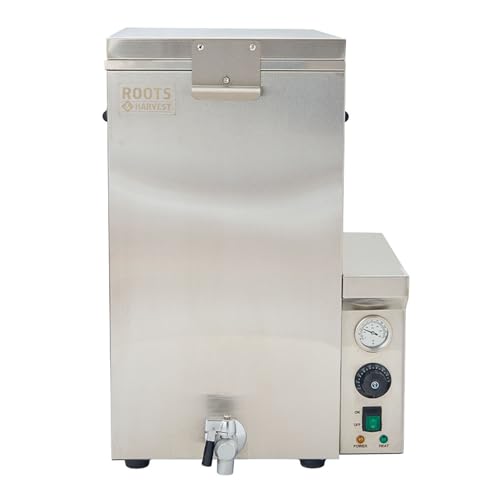 Roots and Harvest Poultry Scalder9.5/10View on Amazon
Poultry scalder vs plucker verdict: Choose a poultry scalder if you process one or two birds at a time and want the feathers loosened before plucking. Choose a plucker if you process several birds in a batch and want the feathers off quickly, and keep a scalder alongside it.
Processing day runs on a simple order: loosen the feathers, then take them off. A scalder does the first half and a plucker does the second, so the question is which one your batch needs first. This poultry scalder vs plucker comparison puts the two sides next to each other, then one example of each side.
CoopKeeperHQ earns a commission if you buy through our links, at no added cost to you. Affiliate disclosure.
Two examples
Kitchener Chicken Plucker De-Feather Remover
An 800 W plucker with a 20 inch drum and 92 soft fingers, rated by the maker for 2 to 4 birds at a time in 15 to 30 seconds per bird when properly scalded, with a GFCI connector and IP54 housing.
Who it's for: a keeper who processes a few birds in a batch and wants the feathers off fast.
Who should skip it: anyone who only needs to loosen feathers before plucking, where a scalder is the tool for the job.
The Kitchener plucker runs an 800 W, 1 HP motor at 280 RPM through a planetary gear transmission, with 92 soft fingers in a 20 inch drum. The maker rates it for 2 to 4 birds at one time in 15 to 30 seconds per bird, when the birds are properly scalded. The body and base are 403 brushed stainless steel, the barrel is 0.6 mm thick, and two wheels help move it.
The maker states a GFCI connector, an overcurrent protector and a waterproof IP54 electrical housing, and recommends eye and hand protection. It also notes never to pluck frozen fowl.
Pros
- 800 W motor at 280 RPM with 92 soft fingers
- Rated for 2 to 4 birds at a time in 15 to 30 seconds per bird
- GFCI connector and IP54 weather-resistant housing
- Two wheels for easy moving and storage
Cons
- No warranty term stated
- Weighs 64.0 lb, so plan on using the two wheels to move it
- Stated speed depends on birds being properly scalded first
- Covers only plucking, so scalding needs a separate setup
Roots and Harvest Poultry Scalder
A 13-gallon double-walled stainless steel scalder with a thermostat and indicator light, rated by the maker for 1 to 2 chickens at a time, with a large spigot for draining.
Who it's for: a keeper who processes one or two birds at a time and wants the feathers loosened before plucking.
Who should skip it: anyone who processes several birds in a batch, where the plucker example covers more birds at once.
The Roots and Harvest scalder has a 13-gallon double-walled stainless steel tub, a thermostat and an indicator light that signals when the set temperature is reached. The maker rates it for 1 to 2 chickens at a time and states a large spigot for draining. It can also be used for shrink-wrapping birds after plucking.
It measures 13.78 by 17.71 by 26.38 inches and weighs 46.05 lb.
Pros
- 13-gallon tub holds 1 to 2 chickens at a time
- Double-walled stainless steel tub
- Thermostat with an indicator light for temperature regulation
- Large spigot for fast draining
Cons
- No warranty term stated
- No wattage stated, so the power draw is unclear
- Holds only 1 to 2 chickens at a time, so bigger batches take turns
- Loosens feathers only; plucking still needs a plucker or hand work
Other options for the coop
 Frienda 150 Pcs Light Brown Chicken Plucker Fingers forCheck price on Amazon
 Chicken Plucker MachineCheck price on Amazon
 TYHUA Handheld Electric Chicken Plucker MachineCheck price on Amazon
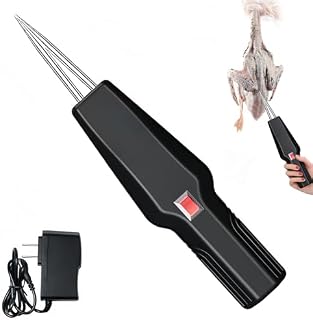 Handheld Chicken PluckerCheck price on Amazon
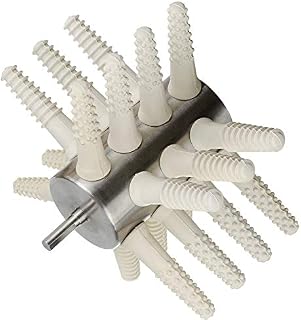 PluckerUkraine Chicken Plucker Drill Attachment 133-21 LargeCheck price on Amazon
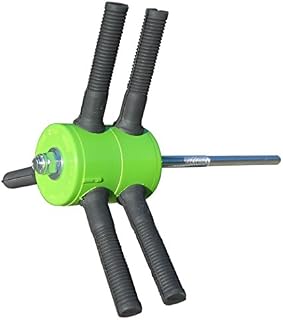 Power Plucker Chicken Plucker Drill AttachmentCheck price on Amazon
Poultry scalder vs plucker: side by side
| Factor | Poultry scalder | Plucker | Notes |
|---|---|---|---|
| What it does | Loosens feathers in hot water before plucking | Removes feathers with 92 soft fingers | Different jobs, not rivals |
| Capacity | 1 to 2 chickens at a time | 2 to 4 birds at one time | Plucker covers more per round |
| Time per bird | Not stated | 15 to 30 seconds | Scalder time not stated |
| Power | Not stated | 800 W, 1 HP, 120 VAC, 280 RPM | Scalder power not stated |
| Tub or drum | 13-gallon tub | 20 in drum, 92 soft fingers | Both stated |
| Weight | 46.05 lb | 64.0 lb | Plucker heavier |
| Temperature control | Thermostat and indicator light | Not stated | Scalder only |
| Safety stated | Not stated | GFCI connector, IP54 housing | Plucker only |
| Example: Roots and Harvest 13 Gallon Poultry Scalder | 13-gallon tub, 1 to 2 chickens, thermostat | Not applicable | Scalder side |
| Example: Kitchener 20 Inch Chicken Plucker | Not applicable | 800 W, 92 fingers, 20 in drum | Plucker side |
We quote the brand’s rated specs from the product listings (as of 18 November 2026).
What each tool does
A scalder is a tub of heated water with a thermostat. The Roots and Harvest example holds 13 gallons, is rated by the maker for 1 to 2 chickens at a time, and its indicator light signals when the set temperature is reached. It loosens the feathers before plucking, and can also shrink-wrap birds after plucking.
A plucker is a drum lined with soft fingers that spins the feathers off. The Kitchener example has a 20 inch drum with 92 soft fingers and an 800 W motor at 280 RPM. It does not loosen feathers, so its stated speed depends on birds being properly scalded first, and it notes never to pluck frozen fowl.
Capacity and speed
| Tool | Birds at a time | Time per bird |
|---|---|---|
| Roots and Harvest scalder | 1 to 2 chickens | Not stated |
| Kitchener plucker | 2 to 4 birds | 15 to 30 seconds |
The plucker covers more birds per round, and it is the only side with a stated time per bird. A batch of 2 birds fits the scalder in one round, while a batch of 3 to 4 birds needs more than one scalder round before the plucker takes them together. The maker gives no time per bird for the scalder, so compare the two sides on capacity, not on speed. See the best chicken plucker guide for more drum pluckers.
Build and weight
Both examples are stainless steel. The scalder is a double-walled tub, 13.78 by 17.71 by 26.38 inches, weighing 46.05 lb. The plucker has a 403 brushed stainless steel body and base, a barrel 0.6 mm thick and panels 0.3 mm thick, and it measures 22.0 by 23.0 by 22.0 inches and weighs 64.0 lb. Two wheels help move the plucker, and the scalder has a large spigot for draining.
Safety and power
Power is stated on one side only. The plucker runs an 800 W, 1 HP motor on 120 VAC at 280 RPM, and the maker states a GFCI connector, an overcurrent protector and a waterproof IP54 electrical housing. It also recommends eye and hand protection. The scalder states a thermostat and an indicator light, but no wattage and no safety listing, so the maker leaves the power draw unclear. Use the plucker’s GFCI connector, and keep cords clear of water.
Flock fit
Kitchener 20 Inch Chicken Plucker
Roots and Harvest 13 Gallon Poultry Scalder
Fitting It to Your Flock
- One or two birds at a time fits the scalder, which holds 1 to 2 chickens.
- A batch of 2 to 4 birds fits the plucker, which handles that many at one time.
- Both need floor space for their stated size: the scalder is 13.78 by 17.71 by 26.38 inches and the plucker is 22.0 by 23.0 by 22.0 inches.
- The plucker weighs 64.0 lb and has two wheels, so plan its spot.
- The scalder drains through a large spigot, so plan for the water when you drain it.
FAQ for the flock
Do I need a scalder if I have a plucker?
Yes, if you want the stated speed. The plucker ties its 15 to 30 seconds per bird to birds being properly scalded first.
How many birds can a scalder and a plucker handle at once?
The scalder holds 1 to 2 chickens at a time, and the plucker handles 2 to 4 birds at one time. A batch of 3 to 4 birds needs more than one scalder round, then fits the plucker in one round.
What size plucker drum do I need?
The plucker example has a 20 inch drum with 92 soft fingers, rated for 2 to 4 birds at one time.
Is a poultry scalder electric?
The scalder states a thermostat and an indicator light but no wattage, so the maker leaves the power draw unclear. Check the maker specs before you plan the power.
Can a plucker work without a scalder?
It can, but the stated speed depends on it. The plucker is rated for 2 to 4 birds in 15 to 30 seconds per bird when the birds are properly scalded, so plan on scalding first.
How the Coop Score came out
Each example is scored out of 10 on performance, build, value, safety and warranty, using only what the maker publishes. Neither example states a warranty. See the How We Pick page for the weights.
| Product | Keeper Score | Perf. /35 | Build /25 | Value /25 | Safety /10 | Warranty /5 |
|---|---|---|---|---|---|---|
| Kitchener 20 Inch Chicken Plucker | 9.6 | 30 | 21 | 20 | 7 | 0 |
| Roots and Harvest 13 Gallon Poultry Scalder | 9.5 | 29 | 21 | 20 | 3 | 0 |
A product’s weighted total becomes its score on a scale capped at 9.8 and floored at 9.2, in a straight line.
Which should you choose?
Choose a poultry scalder if you process one or two birds at a time and want the feathers loosened before plucking.
Choose a plucker if you process 2 to 4 birds in a batch and want the feathers off in 15 to 30 seconds per bird once the birds are properly scalded.
Wash your hands after handling birds, eggs or equipment, supervise children around the flock, and check local rules on flock size and roosters before you buy. For sick birds, call a poultry veterinarian or your state extension office. See CDC backyard poultry guidance. Read our Safety Disclaimer.
More coop guides
- Hand Crank vs Electric Chicken Plucker: Which One Should You Buy?
- Best Chicken Plucker Machine (2026): 5 Drum Pluckers Compared
- Best Chicken Plucker (2026): 5 Picks for Home Processing
- Best Chamber Vacuum Sealer (2026): 5 Picks for Home Processing
- Poultry Shears vs Boning Knife: Which One Should You Buy?
- Best Poultry Shears (2026): 5 Picks for the Flock
- Best Heavy Duty Poultry Shears (2026): 5 Picks Compared
- Kitchen Shears vs Poultry Shears: Which One Should You Buy?
- Best Poultry Shears for Spatchcocking Turkey (2026)
See every poultry processing guide.