Automatic Chicken Waterer DIY: Step-by-Step Setup Guide
A complete guide to building an automatic chicken waterer using buckets, PVC pipe, float valves and drinking cups for clean flock hydration.

On this page
Top picks at a glance
As an Amazon Associate I earn from qualifying purchases.
- 1
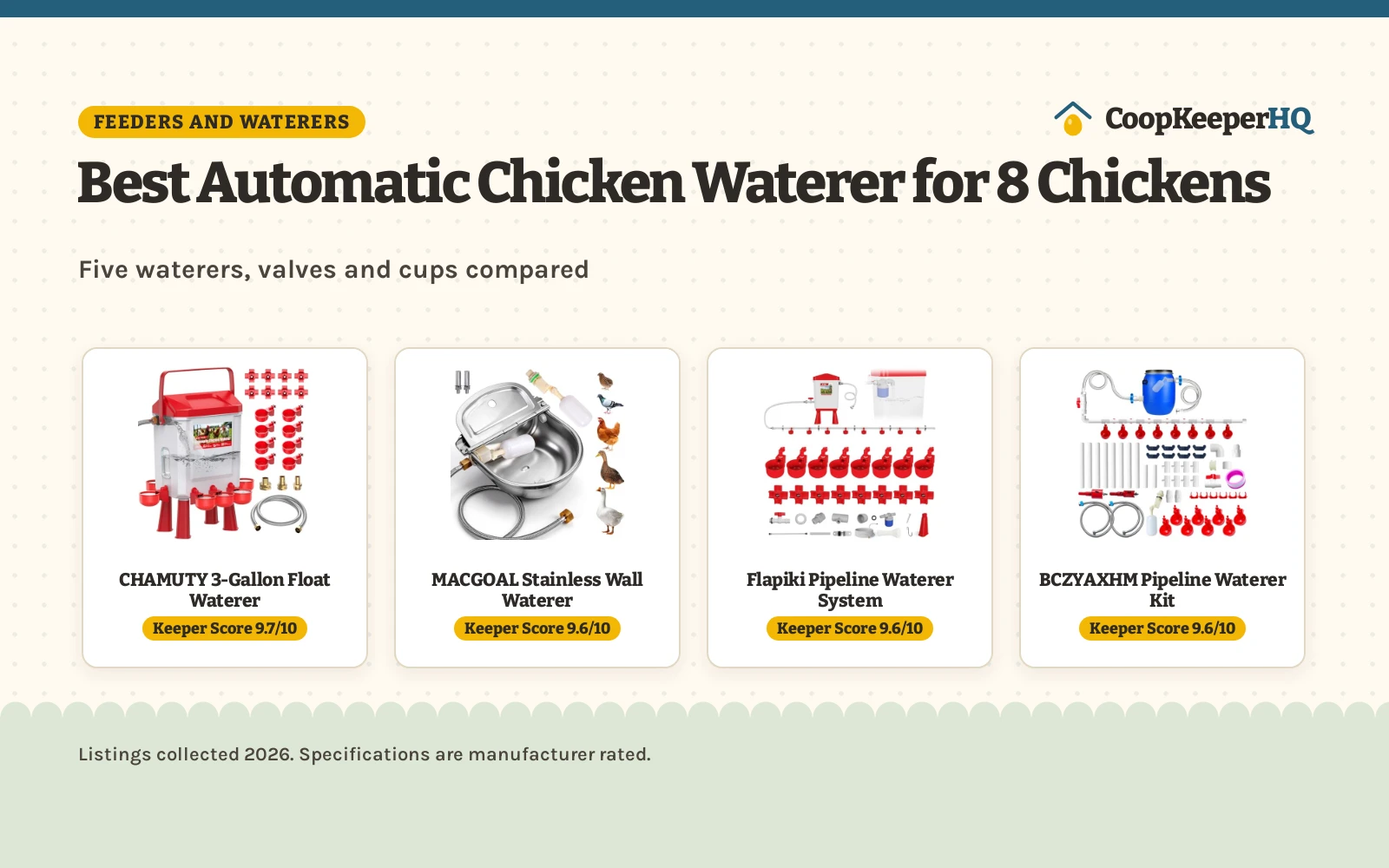
 CHAMUTY Float-Controlled Automatic Chicken Waterer9.7/10View on Amazon
- 2
 MACGOAL Metal Automatic Chicken Waterer9.6/10View on Amazon
- 3
 Flapiki Complete Set Pipeline Automatic Chicken Waterer System9.6/10View on Amazon
- 4
 Chicken Waterer CupsView on Amazon
- 5
 Automatic DIY Chicken Water CupView on Amazon
- 6
 Chicken Water CupsView on Amazon
- 7
 Chicken Feeders No WasteView on Amazon
- 8
 No Waste Chicken FeedersView on Amazon
- 9
 10Pack Large Chicken Waterer CupsView on Amazon
An automatic chicken waterer DIY project keeps your flock supplied with clean drinking water while reducing the daily chore of carrying heavy water buckets. By combining a plastic bucket, barrel, or pipe reservoir with gravity-fed drinking cups and an optional float valve connected to an outdoor spigot, keepers build a reliable watering station suited to their flock size. Building your own system allows you to position drinker ports at bird height and choose the reservoir size that fits your run layout.
Other options for the coop
 Chicken Waterer CupsCheck price on Amazon
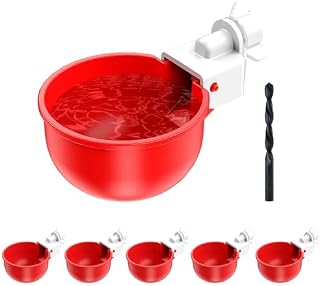 Automatic DIY Chicken Water CupCheck price on Amazon
 Chicken Water CupsCheck price on Amazon
 Chicken Feeders No WasteCheck price on Amazon
 No Waste Chicken FeedersCheck price on Amazon
 10Pack Large Chicken Waterer CupsCheck price on Amazon
CoopKeeperHQ earns a commission if you buy through our links, at no added cost to you. Affiliate disclosure.
Automatic chicken waterer DIY: core components and setup
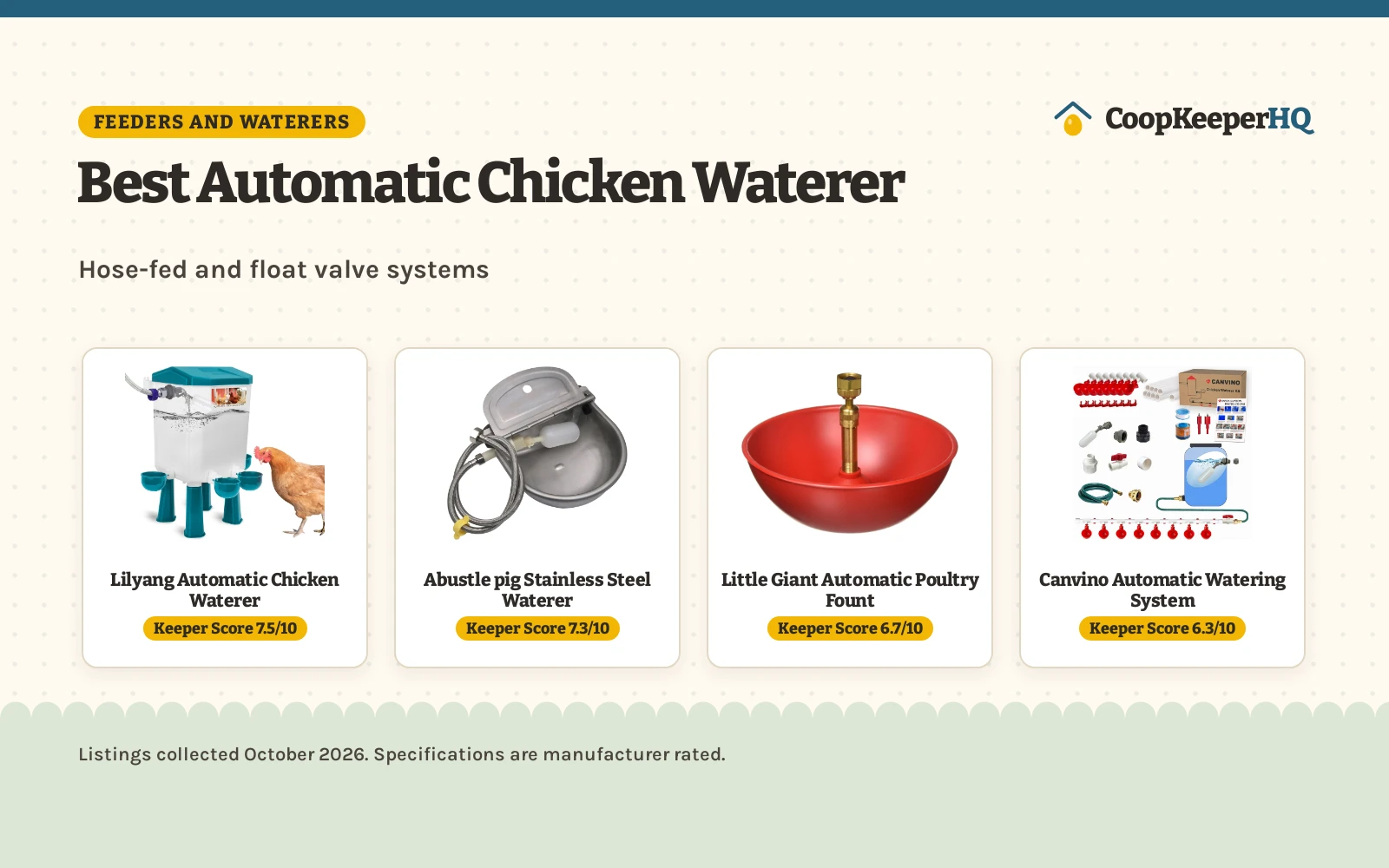
Building a dependable automatic drinker requires a clean reservoir, poultry drinking valves, and either a manual fill routine or a float valve connected to a water source. Most backyard keepers assemble systems using food-grade buckets or durable plastic barrels. When building an auto-refill setup, a float valve mounted through the sidewall regulates water entry from an outdoor spigot or garden hose, shutting off flow as the water level rises to the shut-off mark. As birds drink from cups or nipples installed along the base, gravity draws fresh water down without daily intervention. Makers like EBIUF provide kits with 6 reusable chicken water cups designed for installation on buckets or troughs, while Lilyang lists a 3-gallon reservoir rated to supply 10 adult chickens for 2-3 days on a single refill. Selecting sturdy components ensures your birds have dependable access to clean water.
Choosing between horizontal nipples and automatic cups
Backyard poultry drinkers rely primarily on automatic cups or horizontal nipples to dispense water. Automatic cups hold a small pool of standing water that refills as chickens peck the trigger float inside the basin. Flapiki lists a 3-gallon container equipped with 10 drinking cups, while Fvlotrik lists 2.75-inch drinking cups designed to accommodate poultry beaks of various sizes. Cups are straightforward for adult birds to learn because chickens see the standing water immediately. Horizontal nipples release water drops when birds nudge the metal pin, sealing closed when released. Nipples keep water cleaner by enclosing the supply completely, protecting it from kicked-up dust, but chickens must learn to peck the metal pin. Automatic cups provide an open sip of water that birds discover quickly, though cup basins collect stray dust and require routine rinsing. For more details on commercial cup options, explore our water cups for chickens guide and our review of nipple drinkers for chickens.
Selecting a bucket, barrel, or PVC reservoir
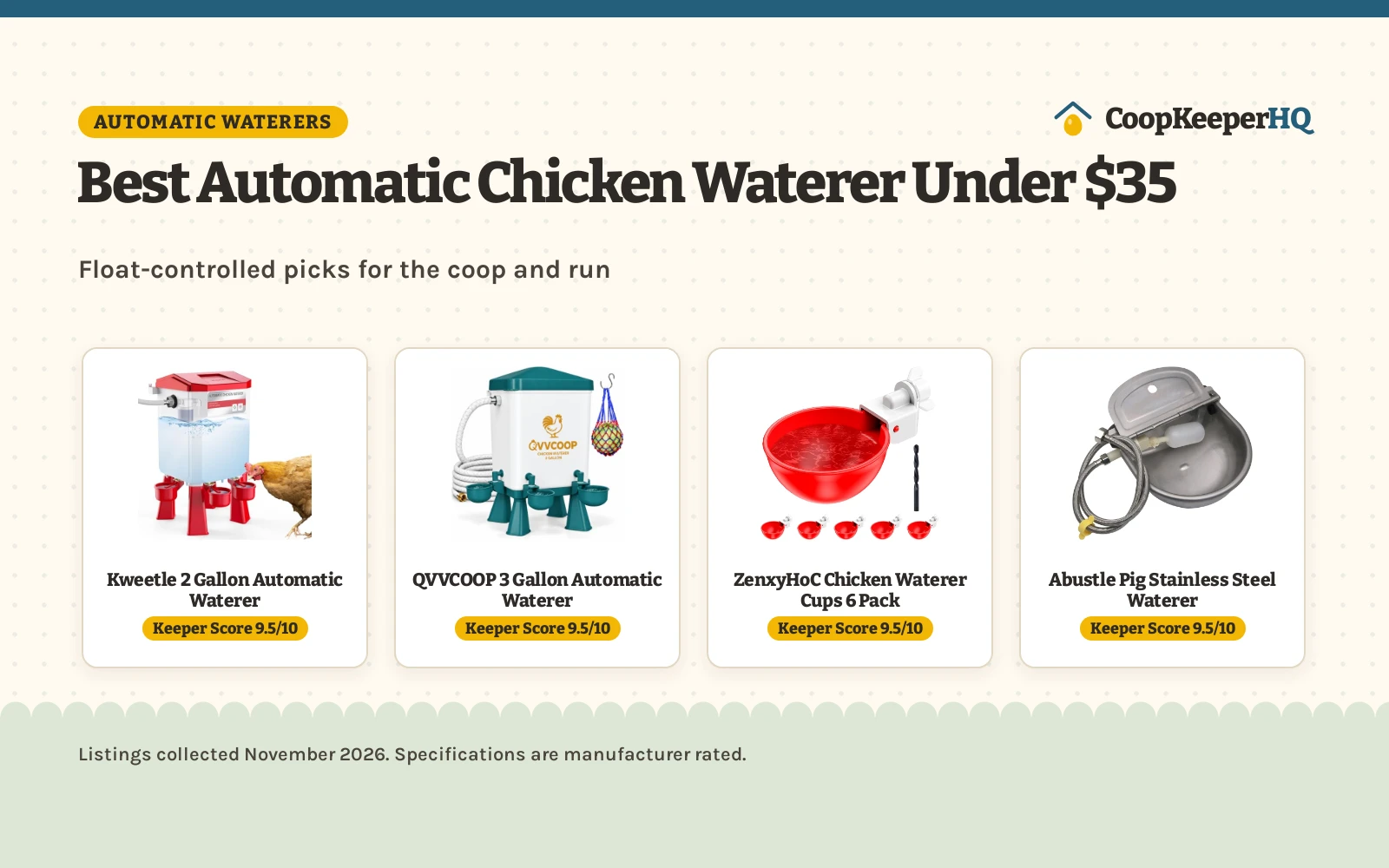
The capacity of your reservoir dictates how long your water supply lasts between refills, though drinking cups still require regular checks. Standard plastic buckets remain popular for modest flocks, while larger barrels suit expanding numbers. If you prefer metal hardware over plastic, several manufacturers offer prefabricated basins. Abustle pig lists a 304 stainless steel float valve drinker holding 2.5 liters (0.66 gallons), and ATHCOHT lists a 3-gallon 304 stainless steel basin designed for wall mounting. LZWUNYXE lists a 1.6-gallon stainless steel waterer, with its maker claiming that its float design saves more than 60% of water by reducing leakage. Heavy-duty plastic containers resist cracking outdoors, but opaque walls are preferable to translucent plastic because blocking sunlight prevents green algae growth. Keepers constructing linear drinking stations along run fences often choose PVC pipe, as outlined in our chicken waterer cups for PVC pipe guide.
Drilling ports and sealing hardware connections
Proper hole placement and watertight seals prevent slow leaks from creating damp spots in the coop or muddy ground in the run. When mounting drinking cups to the lower rim of a bucket, position each hole slightly above the container floor so that settling sediment stays below the cup intake. Use a sharp drill bit and clean away plastic burrs before inserting rubber grommets or threaded stems. Wrapping male threads with PTFE plumber tape helps create a watertight seal. TUHPIBK lists a 304 stainless steel waterer with a 2.5-liter capacity that includes a 1/2-inch to 3/4-inch adapter and thread tape for leak-free plumbing connections. Tighten fittings by hand before giving a gentle turn with a tool, avoiding over-tightening which can warp silicone washers or crack plastic walls. If you are also setting up feeding stations, coordinate your run layout with our DIY no waste chicken feeder guide.
Adding a float valve for automatic refills
A float valve transforms an ordinary water bucket into a continuously refilling drinking system. The valve mounts through a drilled hole near the top rim of the container and attaches to a garden hose or water line. As water fills the reservoir, the buoyant float rises until the lever presses a seal against the inlet orifice, shutting off supply. When the flock drinks down the reservoir, the float drops, opening the valve to admit fresh water. Fvlotrik lists a 3-gallon system featuring a 60-inch braided hose connecting to standard 3/4-inch faucets, while NAOEDEAH lists a stainless steel dispenser equipped with 10 water openings and braided lines compatible with 3/4-inch garden hose threads. Installing an inline shut-off valve upstream allows you to isolate the water line during cleaning without walking back to the main spigot. For factory-built alternatives, consult our chicken coop waterer guide.
Positioning and elevating the drinker in the run
Drinking cups must sit at the correct height to prevent chickens from scratching litter, feces, and soil into the basins. Position cups approximately level with the backs of your birds so they can dip their beaks into the water comfortably without stepping on the hardware. Suspending the reservoir or mounting it on sturdy support legs keeps the drinking basins clear of ground debris. Fvlotrik lists elevated 4.7-inch legs and an anti-perch lid with a 45 degree slope to discourage birds from roosting overhead and fouling the container. Placing the drinker in a shaded area of the run helps slow bacterial growth and keeps drinking water cooler during warm afternoons. Compare freestanding models with elevated designs in our metal chicken waterers overview.
Winter preparation and freeze protection
Cold weather poses a serious operational challenge for automatic poultry waterers. Standing water inside narrow lines, drinking cups, and valve seats expands as it freezes, which can split fittings and crack rigid reservoirs. When sub-freezing temperatures arrive, keepers must either drain and store external garden hoses or introduce safe heating methods. Submersible de-icers and heated bases keep water liquid inside the reservoir, but exposed cups outside the heated zone may still freeze. Our heated chicken waterer guide compares freeze-resistant systems, and our heated base for chicken waterer reviews cover standalone warmers. Always connect outdoor electrical equipment to a GFCI outlet and route all cords away from inquisitive beaks.
Routine maintenance and cleaning schedule
Although automatic watering systems reduce daily chores, regular inspection remains vital for flock health. Check drinking cups daily for accumulated dirt or stray wood shavings, flicking the trigger pin to clear the basin. Algae and biofilm develop on reservoir walls over time, especially in warm weather. Disconnect the float valve periodically, scrub the interior surfaces with a stiff brush and clean water, and flush sediment through the drain hole. Inspect hose gaskets and threaded joints regularly for slow seepage that could create mud in the run or damp floor areas beneath the drinker. If birds show lethargy or signs of illness, consult a poultry vet or your state extension office rather than attempting home remedies.
A simple DIY waterer checklist
- Food-grade reservoir cleaned and fitted with an anti-perch cover
- Drinking cups or horizontal nipples seated tightly with rubber seals
- Threaded connections wrapped with PTFE plumber tape
- Float valve calibrated to shut off cleanly before overflowing
- Drinker elevated to match flock back height and avoid ground litter
- Outdoor electrical gear for winter de-icing connected to a GFCI outlet
Birds, breed size, run time and climate in; coop floor, run space, roost length and nesting boxes out.
Wash your hands after handling birds, eggs or equipment, supervise children around the flock, and check local rules on flock size and roosters before you buy. For sick birds, call a poultry veterinarian or your state extension office. See CDC backyard poultry guidance. Read our Safety Disclaimer.
FAQ for the flock
How high should an automatic chicken waterer be mounted?
Drinking cups and horizontal nipples should be positioned level with the backs of your standing chickens. This height allows birds to reach the water comfortably while preventing them from scratching dirt, shavings, or droppings into the drinking basins.
Do automatic chicken waterer cups leak?
Properly installed cups with intact rubber gaskets rarely leak under low gravity pressure. Leaks typically stem from cracked washers, over-tightened plastic fittings, or grit trapped inside the valve seat. Wrapping threads with PTFE tape helps maintain a tight seal.
Can an automatic waterer connect directly to a garden hose?
Yes, when using a float valve fitted with standard hose threads. Products like the Abustle pig waterer include a hose connecting to standard 3/4-inch fittings, while TUHPIBK lists a 1/2-inch to 3/4-inch adapter designed to connect to outdoor faucets at typical household water pressure. Check all hose washers and gaskets during assembly to ensure a watertight fit without over-tightening.
How do you keep DIY chicken waterers from freezing in winter?
Add a submersible poultry de-icer or place the reservoir on an electric heating base plugged into a GFCI outlet. In deep freezes, external garden hoses must be disconnected and drained to prevent expanding ice from bursting the pipe lines.
How often should an automatic chicken waterer be cleaned?
Inspect and rinse drinking cups daily to clear accumulated debris, and perform a thorough scrub of the reservoir periodically to eliminate algae and biofilm. Keeping the container lid tightly closed blocks dust and direct sunlight.
More coop guides
- Chicken Waterer Cups for PVC Pipe: 5 Automatic Kits Compared (2026)
- Best Chicken Coop Waterer: 5 Top Picks for Backyard Flocks (2026)
- Water Cups for Chickens: 5 Automatic Drinker Kits Compared (2026)
See the feeders and waterers picks and the chicken coops guides.