Hanging vs Ground Quail Feeder: Which One Should You Buy?
A hanging feeder keeps quail feed off the floor and the cage tidier, while a ground feeder wins when a cage cannot take a hanging mount or the birds are too small for adult ports.

On this page
Top picks at a glance
As an Amazon Associate I earn from qualifying purchases.
- 1
 RentACoop 15 lb Metal Poultry Feeder with 6 Ports &9.5/10View on Amazon
- 2
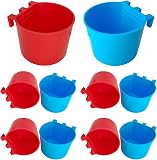 10 Pcs Cage Cups Birds Feeders Bowl Chicken Feeding WateringView on Amazon
- 3
 2-in-1 Quail Feeder and Waterer for CageView on Amazon
- 4
 4 Pack No Mess Quail Feeder RemovableView on Amazon
- 5
 25lb Automatic Chicken Feeders Metal Poultry Feeder no WasteView on Amazon
- 6
 Kalekey 2 Pack Transparent PVC Chicken FeederView on Amazon
- 7
 Hanging 1.5kg Chicken Feeder and 1.5L Chicken Waterer SetView on Amazon
Morning chores in a quail room start the same way: fresh water, a look over the birds, and feed topped up before the day gets busy. A feeder that sits on the floor gets kicked, scratched and soiled fast, while a feeder fixed to the cage side stays cleaner and leaves the floor open. That daily difference is at the heart of the hanging vs ground quail feeder question, and the short answer is that a hanging feeder suits most wire cages and hutches better, while a ground feeder is the practical choice when a cage cannot take a hanging mount or the flock is too small for adult-sized ports.
Other options for the coop
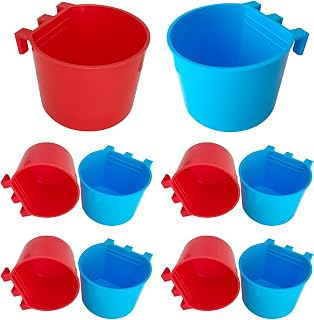 10 Pcs Cage Cups Birds Feeders Bowl Chicken Feeding WateringCheck price on Amazon
 2-in-1 Quail Feeder and Waterer for CageCheck price on Amazon
 4 Pack No Mess Quail Feeder RemovableCheck price on Amazon
 25lb Automatic Chicken Feeders Metal Poultry Feeder no WasteCheck price on Amazon
 Kalekey 2 Pack Transparent PVC Chicken FeederCheck price on Amazon
 Hanging 1.5kg Chicken Feeder and 1.5L Chicken Waterer SetCheck price on Amazon
CoopKeeperHQ earns a commission if you buy through our links, at no added cost to you. Affiliate disclosure.
Hanging vs ground quail feeder: the short answer
A hanging feeder holds feed up off the floor, fixed to the side of a cage or hutch, so quail eat through ports instead of standing in a loose pile of feed. A ground feeder sits on the floor of the pen, and birds walk around it and through it as they eat. For adult Coturnix quail in wire cages, the hanging style keeps feed cleaner, cuts the mess from scratching, and frees floor space. A ground feeder is simpler to set down and move, and needs no hooks or mesh to hang from, but it puts feed exactly where feet, droppings and bedding already are. Unless a cage has no side that can hold a mount, hanging is the tidier daily choice.
How a hanging feeder changes daily chores
The main gain is waste control. Both hanging feeders compared below use ports sized for adult Coturnix quail, and the listings describe the ports as a way to let birds reach feed while making it harder to rake feed out onto the floor. Less feed on the floor means less sweeping, less feed lost to soiling, and a cleaner cage between full cleanouts. A fixed feeding spot also makes the daily check quicker: the keeper looks at one place on the cage side, sees the level, and knows whether a refill is due.
Refilling is where the two hanging styles differ. An outside-hanging feeder lets the keeper refill without opening the cage, which the listing presents as a way to reduce escapes and stress for the birds. An inside-hanging feeder is lifted from its hooks, filled outside the cage, and hung back in place. Either way, feed stays in a fixed spot and the birds keep a clear stretch of floor in the middle of the cage, which matters in small quail housing, where a tub or bowl in the centre takes up room the birds would otherwise use.
Mounting is the part to check before buying. The inside-hanging feeder in this guide lists mounting on common wire mesh, including hardware cloth, and a metal bracket for a wood side panel. The outside-hanging feeder is made for standard wire mesh cages. If the cage side is solid wood with no panel bracket, or the mesh is a size the hooks cannot grip, a hanging feeder will wobble or sit badly, and a ground feeder may be the only practical option until the housing changes.
When a ground feeder still makes sense
A ground feeder has a clear advantage: it needs no mounting at all. Set it down, fill it, and move it when the pen is cleaned. That suits a temporary pen or a solid-sided setup. The trade-offs are daily, though. Feed on the floor is easy for quail to scratch out, step in and soil, and a loose bowl can move when birds bump it. In a wire cage, a ground feeder also eats into the central floor space that the hanging styles leave open. Place it away from the waterer, and expect more frequent topping up and cleaning around the feeding spot.
Two hanging feeders to compare
The gear section below compares the two hanging feeders in the listing data, with the inside-hanging feeder suited to a single cage and the outside-hanging set suited to keepers running several cages. Both use ports for adult Coturnix quail, both are metal, and both are manual, with no power source to worry about.
The inside-hanging feeder from CluckRoots is the pick for one cage. The listing states three ports for adult Coturnix quail, including Jumbo Pharaoh types, and a capacity of about 4.5 pounds of dry quail crumble, described as enough for about three weeks for five adult quail under typical feeding conditions. Angled side windows let the keeper check the feed level, and refilling means lifting the feeder from its hooks, opening the top lid, adding feed outside the cage, and hanging it back in place. It mounts on wire mesh or on a wood side panel with the included metal bracket, and the maker lists a heavy-duty metal body with a powder-coated finish and folded edges. It is sized for adult Coturnix quail, not for button quail, chicks, or very small juvenile birds, and it is made for dry quail crumble only: damp crumble may bridge or clump, so keep feed dry and away from waterers and splash.
The outside-hanging feeder set from woobud is the pick for several cages. It is a set of three complete metal feeders, each with three ports, plus three extra ports, which the listing counts as 12 ports in total across the set. Each feeder holds approximately 4 pounds of feed, and the outside-hanging design allows refilling without opening the cage, which the listing presents as a way to reduce bird stress and prevent escapes. The body is galvanized iron, which the listing describes as resisting rust, bending and wear, and the set is made for wire cages, hutches and pens. For a keeper with multiple cages, the value is consistency: the same feeder on every cage, with spare ports on hand. The listing does not state a wood-panel bracket, so this set fits wire mesh housing best.
Side by side, the inside-hanging feeder wins on flexibility and feed visibility, with its wood-panel bracket and side windows, while the outside-hanging set wins on value across several cages and on refilling without opening a cage. Neither listing states a warranty term or a safety certification, so the safety discussion rests on the stated metal build and the port design. A keeper with one wire or wood-sided cage should start with the inside-hanging feeder; a keeper with several wire cages should start with the set.
Choosing by cage type
Wire mesh cages suit either hanging style, since both listings describe hanging on mesh. Wood-sided housing suits the inside-hanging feeder, thanks to its metal bracket for a wood side panel, while the outside-hanging set is described for wire cages, hutches and pens without a wood bracket. Sheltered outdoor housing suits the inside-hanging feeder, which the listing says works where feed can stay protected from direct rain and water splash. Keep the feeder away from the waterer, since damp crumble clumps and stops flowing. Our metal versus plastic quail feeder comparison covers the material choice, and the small versus large quail cage guide helps with sizing the housing itself.
A simple daily routine
- Check the feed level at the cage side during normal care, using the side windows where the feeder has them
- Top up with dry quail crumble, and keep feed dry and away from waterers and splash
- Clear old residue from the ports and feed path when feed looks settled or clumped
- Watch how quickly the flock eats, and refill to match flock size and actual intake
- Keep the feeding spot fixed, so birds always know where feed is and the floor stays clear
For the same mounting question in chicken coops, see the hanging versus ground chicken feeder comparison.
How much feed your flock eats a day and a month, how long a bag lasts, and what it costs.
Wash your hands after handling birds, eggs or equipment, supervise children around the flock, and check local rules on flock size and roosters before you buy. For sick birds, call a poultry veterinarian or your state extension office. See CDC backyard poultry guidance. Read our Safety Disclaimer.
FAQ for the flock
Is a hanging feeder better than a ground feeder for quail?
For most wire cages and hutches, yes. A hanging feeder keeps feed off the floor, cuts the mess from scratching, and leaves the central floor open. A ground feeder is simpler to set down, but feed on the floor is easier to soil and scatter, so it needs more frequent cleaning.
Can a hanging quail feeder mount on a wood-sided cage?
It depends on the feeder. The inside-hanging feeder in this guide includes a metal bracket for mounting along a wood side panel, as well as hanging on wire mesh. The outside-hanging set is described for wire mesh cages, so check the mounting style against the cage before buying.
What feed should go in a hanging quail feeder?
Dry quail crumble, which is what the inside-hanging feeder listing describes. Keep feed dry and away from waterers, rain and splash, since damp crumble may bridge or clump and interrupt flow. Check the feed path during normal care and clear old residue regularly.
How often will a hanging quail feeder need refilling?
It depends on flock size and actual intake. The inside-hanging feeder holds approximately 4.5 pounds of dry quail crumble, which the listing describes as enough for about three weeks for five adult quail under typical feeding conditions. The outside-hanging feeders each hold approximately 4 pounds of feed.
Are the ports in these feeders sized for young quail?
No. Both feeders use ports for adult Coturnix quail, and the inside-hanging feeder listing states it is not designed for button quail, chicks, or very small juvenile birds. Confirm the size and life stage of the flock before buying, and ask a poultry vet or state extension office if unsure about a young flock.
More coop guides
- Hanging vs Ground Duck Feeder: Which One Should You Buy?
- Hanging vs Ground Chicken Feeder: Which One Should You Buy?
- Solid vs Wire Bottom Quail Cage: Which One Should You Buy?
- Small vs Large Quail Cage: Which One Should You Buy?
- Metal vs Plastic Quail Feeder: Which One Should You Buy?
- Best Nipple Waterer for Quail (2026): 4 Picks Compared
See the ducks, quail and turkeys picks and the feeder and waterer guides.