Heated vs Unheated Chicken Waterer: Which One Should You Buy?
A practical comparison of heated and unheated chicken waterers to help you choose the right winter hydration setup for your backyard flock.

On this page
Top picks at a glance
As an Amazon Associate I earn from qualifying purchases.
- 1
 Piiyayca 5 Gallon Heated Chicken Waterer9.7/10View on Amazon
- 2
 Omlet Insulated Chicken Waterer9.7/10View on Amazon
- 3
 Premier 1 All-Season Heated Poultry Waterer for Chickens &9.6/10View on Amazon
- 4
 Farm Innovators HPF-100 Thermostatically Controlled Heated 3View on Amazon
- 5
 Chicken Water Heater for WinterView on Amazon
- 6
 Heated Chicken WatererView on Amazon
- 7
 3 Gallon Heated Chicken Waterer for Winter Chicken WaterView on Amazon
- 8
 Heated Chicken Waterer for WinterView on Amazon
- 9
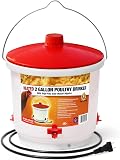 Farm Innovators HB-60P Heated Poultry Waterer DrinkerView on Amazon
Stepping out to the coop on a frosty winter morning with a bucket of warm water is a chore every backyard flock keeper knows well. When freezing weather glazes the run and locks drinkers in ice, keeping birds hydrated quickly becomes an urgent daily priority. Choosing between a heated vs unheated chicken waterer comes down to coop electrical access and your daily schedule: an unheated drinker works well if you can visit the coop multiple times daily to clear ice or swap containers, while a heated chicken waterer provides dependable liquid water throughout severe cold without hauling heavy buckets at dawn.
Other options for the coop
 Farm Innovators HPF-100 Thermostatically Controlled Heated 3Check price on Amazon
 Chicken Water Heater for WinterCheck price on Amazon
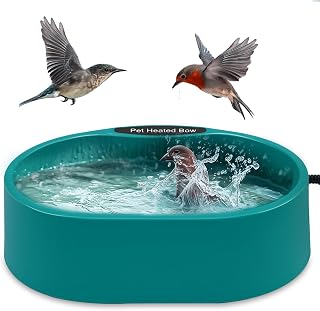 Heated Chicken WatererCheck price on Amazon
 3 Gallon Heated Chicken Waterer for Winter Chicken WaterCheck price on Amazon
 Heated Chicken Waterer for WinterCheck price on Amazon
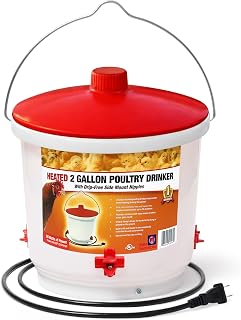 Farm Innovators HB-60P Heated Poultry Waterer DrinkerCheck price on Amazon
CoopKeeperHQ earns a commission if you buy through our links, at no added cost to you. Affiliate disclosure.
Heated vs unheated chicken waterer: key winter trade-offs
Flock hydration in freezing weather presents a practical challenge. Chickens require clean water every day to digest dry layer feed and regulate body temperature. When temperatures remain below freezing, unheated gravity founts and open basins can freeze over quickly. The choice between heated and unheated waterers is not about bird preference, because chickens drink readily from either style so long as the water stays liquid. The decision rests on coop layout, wiring safety, and keeper labor.
An unheated drinker requires no electrical wiring, poses no electrical hazard, and costs nothing on the utility bill. However, it demands regular human attention whenever frost sets in. A heated drinker helps automate freeze protection, keeping liquid water available through cold weather without manual ice removal. The trade-off is the need for outdoor-rated power, careful cord management, and routine checks to verify heating elements remain clean and operational.
Managing unheated chicken waterers during winter
Backyard keepers have managed unheated drinkers through cold winters for generations. Success requires durable containers and a consistent daily routine. Standard rigid plastic founts can crack when expanding ice stresses the seams, making flexible rubber pans a popular alternative for freezing weather. Rubber flexes as water freezes, allowing you to invert the basin and knock out the ice plug without cracking the container.
Another common unheated strategy involves maintaining duplicate drinkers. While one container sits in the flock area, an identical spare container thaws inside a shed, garage, or mudroom. During morning chores, you swap the frozen drinker for the fresh container. In mild winter climates, swapping containers twice daily may be enough, but during prolonged sub-freezing spells, unheated water can freeze over again within a few hours. That means keepers working away from home all day may find unheated setups difficult to manage during severe cold snaps.
How heated poultry waterers work and stated specs
Heated poultry waterers use built-in electric heating elements, heated drinker bases, or submersible heating cables to stop ice from forming. Heating methods vary across the category: some models feature built-in thermostats that cycle power based on temperature, while others provide steady low-wattage heat.
Specific temperature ratings and capacities vary by model. For example, the Farm Innovators HPF-100 listing states it prevents water from freezing in temperatures down to 0 degrees Fahrenheit and features a reservoir with a 3 gallon capacity. In comparison, the API Heated Deluxe Hen Hydrator listing states its heating components prevent water from freezing at temperatures as low as -10 degrees Fahrenheit, holding 3 gallons and supplying water for up to 4 birds at once through side drinking nipples.
Other self-contained units use bucket reservoirs. For example, the JELSVOP heated bucket listing provides a 7 liter capacity with 4 nipple drinkers. Similarly, the WISMOIER heated chicken waterer listing features an integrated thermostat that automatically keeps water temperature between 40 degrees Fahrenheit and 70 degrees Fahrenheit, offering an 11 liter capacity (or 3 gallons) and 4 automatic drinking nipples.
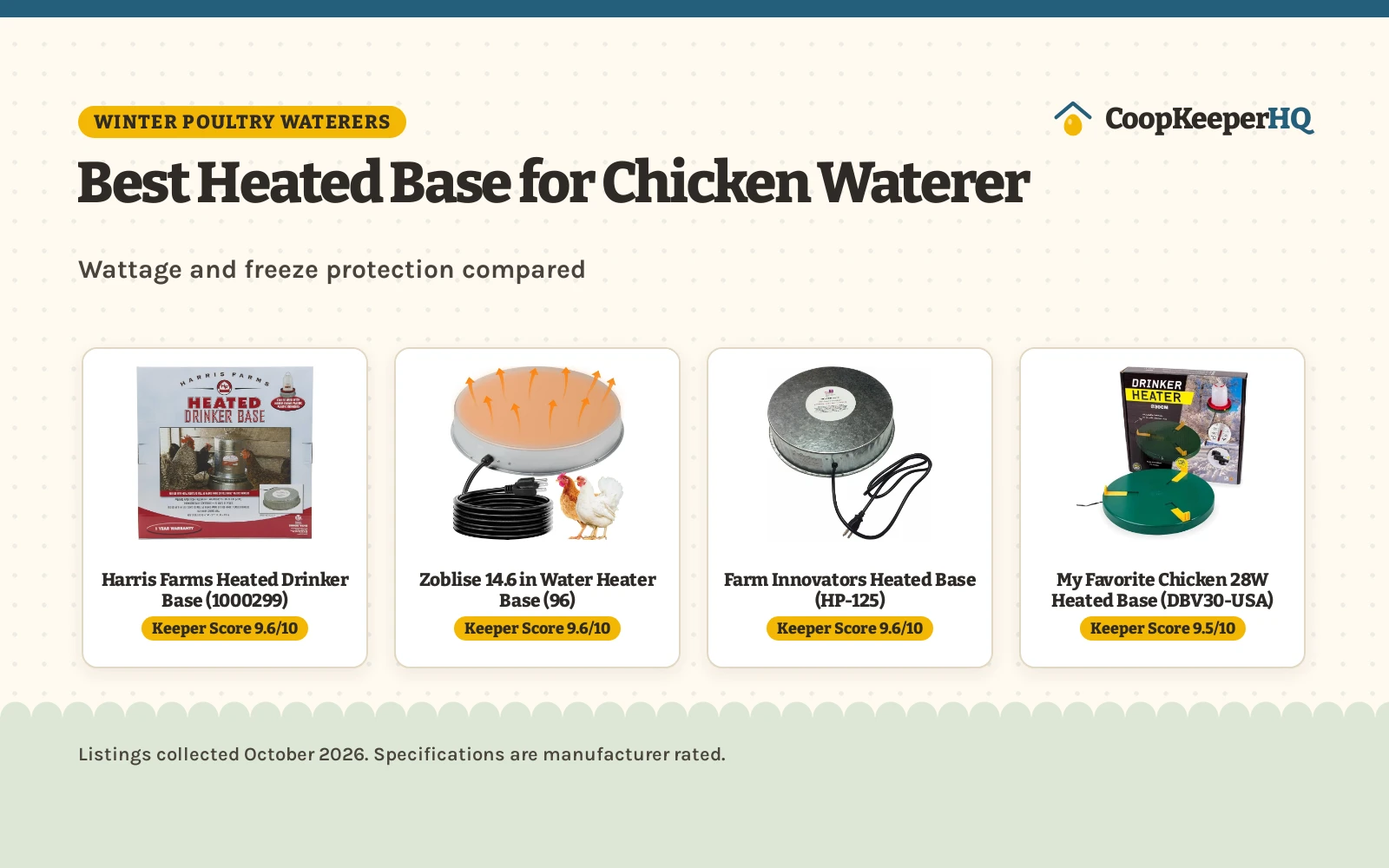
For keepers who prefer using separate heating accessories under standard containers, the COICOTTC heated poultry waterer base operates at 110 watts and supports containers holding 3 to 5 gallons. Its listing states the heater turns on when water drops below 32 degrees Fahrenheit and stops when it reaches 77 degrees Fahrenheit. Submersible heating cables are another design option: the suooydoy heated waterer cord listing uses 40 watts to prevent freezing in drinkers holding up to 6 gallons.
Electrical safety and drinker placement
Adding electrical equipment near a chicken enclosure requires strict attention to safety. Poultry coops accumulate airborne dust, dry wood shavings, straw bedding, and feathers. At the same time, bird respiration and droppings create moisture, creating conditions where damaged or improper electrical gear can pose serious hazards.
Any electrical outlet powering a waterer must be protected by a Ground Fault Circuit Interrupter (GFCI). A GFCI outlet cuts power instantly if moisture causes current leakage. Keep all power cords away from roosting perches and scratching areas. Chickens naturally peck at foreign objects, so select waterers with steel-braided or spiral anti-peck cord shielding. If you run a cord to the coop area, choose a heavy-duty outdoor cord and protect all plug connections inside a weatherproof gasket enclosure. Furthermore, non-submersible electrical components and cord adapters must stay sheltered from rain and snow.
Drinker placement is equally important. To keep coop bedding dry and prevent moisture buildup, many keepers place drinkers in a sheltered run or covered porch rather than on deep litter inside the coop. If a heated drinker is placed inside an enclosure, elevate the unit on flat concrete blocks, pavers, or hanging brackets rather than setting it directly on dry bedding.
Winter hydration and flock welfare
Clean water is critical for winter flock vitality. Chickens cannot eat snow efficiently enough to fulfill daily hydration needs. Converting snow into liquid inside the digestive tract drains body heat, compounding cold stress. When drinking water freezes solid, chickens lose access to liquid water.
Without water, chickens consume less feed because they rely on moisture in the crop to soften pellets and grain. Reduced feed intake leaves birds with fewer calories to generate internal body warmth during freezing nights. Providing clean, unfrozen water from dawn to dusk ensures the flock continues to eat and stay comfortable through the winter months. If you notice a bird behaving differently or refusing to drink, consult a licensed poultry veterinarian or your state university extension office for qualified guidance.
Cleaning routines and mineral buildup
Winter drinkers require regular sanitation regardless of heating style. Handling cold water in freezing weather is uncomfortable, but water standing in heated basins can develop slime and mineral scale if neglected.
Top-fill drinkers with removable lids allow quick refilling without dismantling the entire unit. Nipple-style drinkers keep water noticeably cleaner than open basins because litter, dust, and droppings cannot enter the sealed reservoir. For open founts and heated bases, scrub drinking surfaces with a stiff bristle brush and clean water every few days. Always unplug electric waterers and heated bases before emptying the container. Operating a heating element in a dry basin can cause thermal damage to plastic parts or overheat the unit.
Choosing the right waterer for your flock
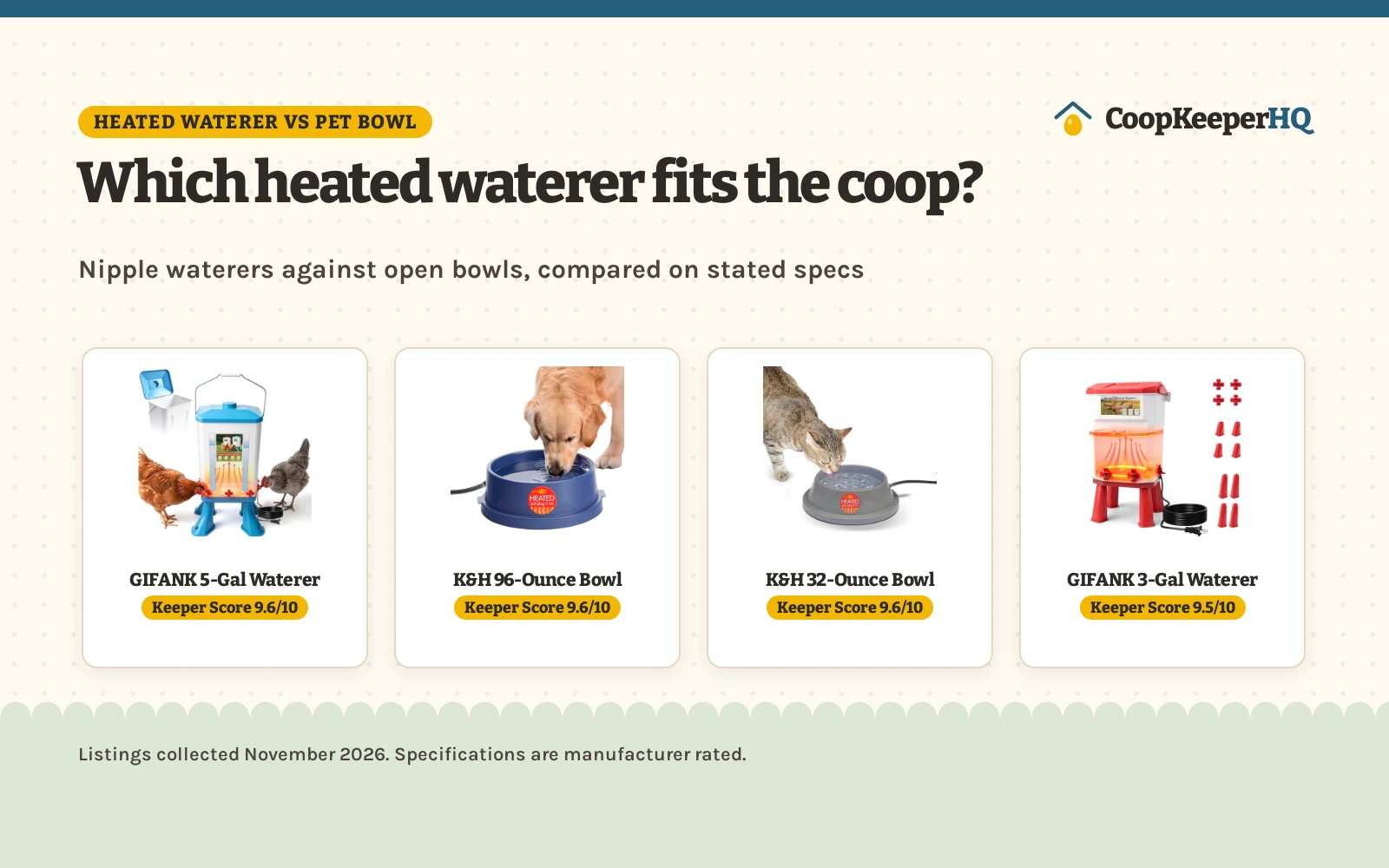
Selecting the right waterer setup depends on your coop layout, available power, and daily schedule. Neither option is universally superior; each fits distinct backyard flock situations.
An unheated waterer setup is a practical choice if your coop stands far from an electrical outlet, if property rules prohibit extension cords, or if you prefer keeping the flock area completely unplugged. By keeping duplicate rubber pans and swapping them when temperatures allow, you can keep birds hydrated without running wire through the yard, provided someone is available to check waterers during freezing days.
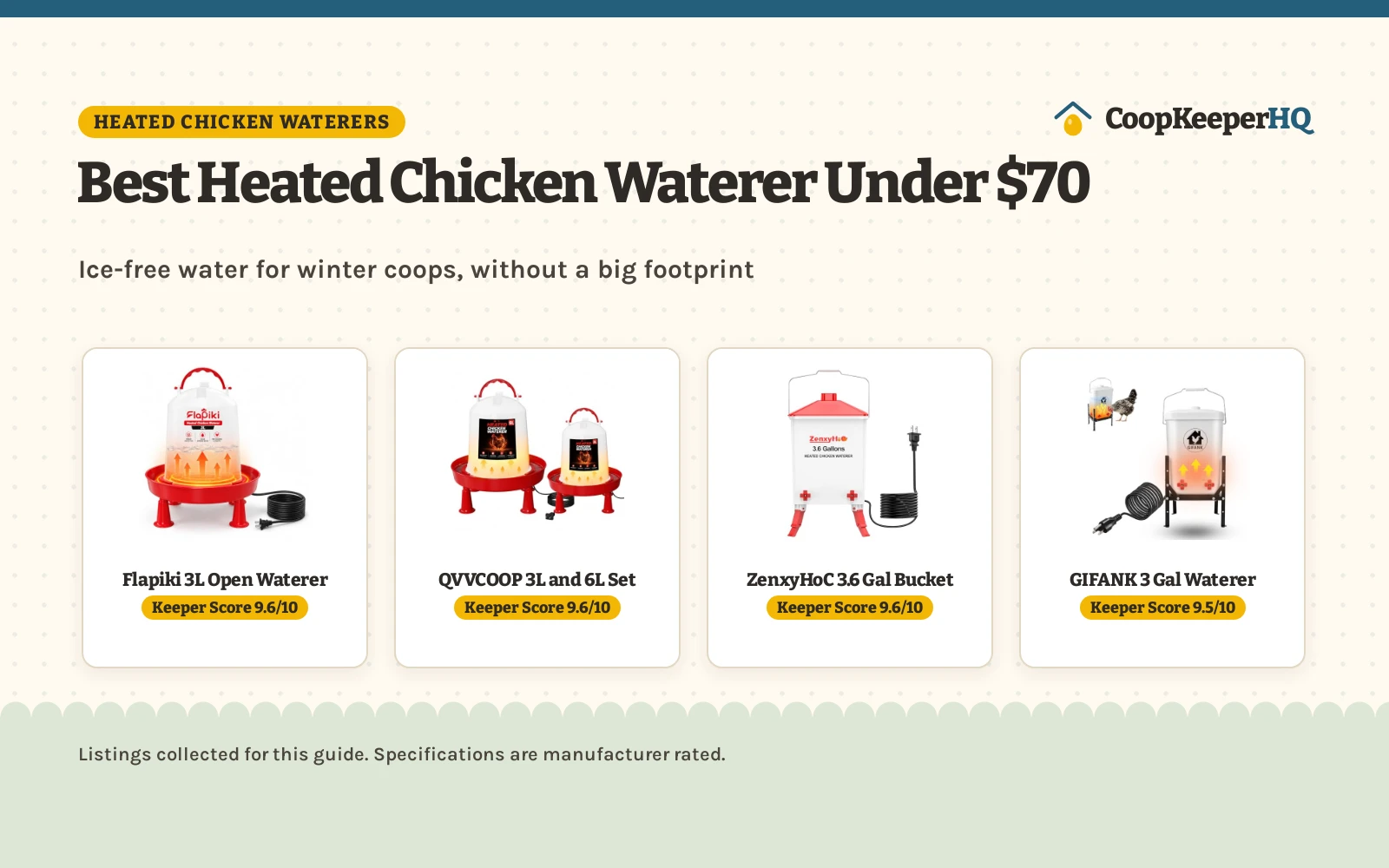
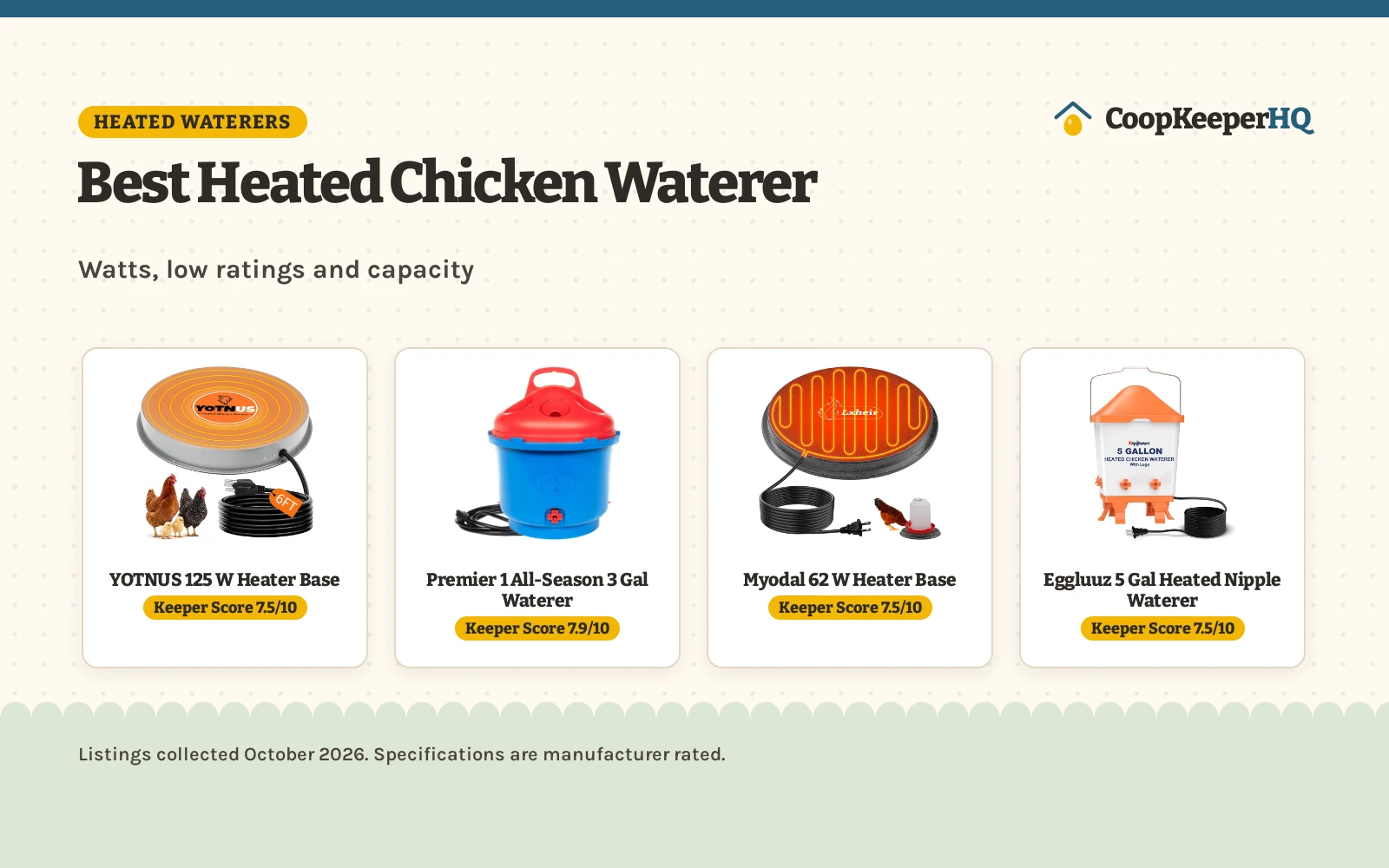
A heated chicken waterer is the better choice if you have safe outdoor power and your daily routine makes midday coop visits impossible. For keepers who leave home before daylight and return after dusk, a heated drinker ensures the flock has reliable liquid water throughout the day. For detailed comparisons of top winter drinker models, browse our heated chicken waterer guide and our review of the heated waterer base for metal founts.
A simple winter watering checklist
- Check drinkers at dawn to confirm water remains unfrozen and accessible
- Protect outdoor electrical connections with a GFCI outlet and anti-peck cord shielding
- Keep non-waterproof electrical adapters sheltered from rain, wind, and snow
- Elevate drinkers on concrete pavers or hanging brackets rather than resting directly on bedding
- Unplug electric waterers before dumping water or scrubbing basins to avoid dry-burn damage
- Keep durable rubber pans as a backup for severe winter storms or power outages
- Scrub drinking trays and nipples regularly to stop slime and scale buildup
For more cold-weather preparation steps, see our how to winterize a chicken coop guide.
Birds, breed size, run time and climate in; coop floor, run space, roost length and nesting boxes out.
Wash your hands after handling birds, eggs or equipment, supervise children around the flock, and check local rules on flock size and roosters before you buy. For sick birds, call a poultry veterinarian or your state extension office. See CDC backyard poultry guidance. Read our Safety Disclaimer.
FAQ for the flock
Can chickens eat snow instead of drinking water in winter?
Chickens should not rely on snow for hydration. While birds may peck at snow out of curiosity, melting snow internally consumes valuable body heat and lowers core temperature. Chickens require clean liquid water to digest feed and maintain body heat in cold weather.
At what temperature does an unheated chicken waterer freeze?
Water begins freezing when temperatures drop below freezing. In small open cups or shallow drinkers exposed to wind, surface ice forms rapidly. Without a heat source, unheated containers eventually freeze solid during prolonged cold spells, though larger volumes freeze more slowly than shallow pans.
Are heated chicken waterers safe to use inside a coop?
Heated waterers can be used safely when installed with outdoor-rated electrical equipment and a GFCI outlet. However, because open water and bird activity increase humidity inside an enclosed coop, many keepers prefer placing drinkers in a sheltered, covered run. If you use a heated waterer inside an enclosure, elevate it on concrete pavers or hanging brackets away from dry bedding.
Can you use a plastic waterer on a heated base?
Only use plastic drinkers on a heated base if the manufacturer explicitly states it is safe for plastic. Some heated bases are designed exclusively for galvanized metal founts and can soften or melt plastic. The listing for the COICOTTC heated base notes it accommodates both plastic and metal waterers holding 3 to 5 gallons, provided the container holds water before plugging in the base.
How much power does a heated chicken waterer use?
Power consumption depends on the heating method. For example, the suooydoy heated cord listing operates at 40 watts, while the COICOTTC heating base listing uses 110 watts. Units equipped with thermostats cycle off once the water or base reaches a preset temperature, which helps conserve electricity compared to continuous heating elements.
More coop guides
- Best Heated Chicken Waterer: Picks That Will Not Freeze
- Best Heated Waterer Base for Metal Founts (2026)
- How to Winterize a Chicken Coop: A Fall Checklist
See the feeders and waterers picks and the coop supplies guides.