Nesting Pads vs Straw: Which One Should You Buy?
Nesting pads vs straw for nest boxes: washable turf, excelsior and jute pads against loose straw, on cleaning, moisture, lifespan and cost.

On this page
Top picks at a glance
As an Amazon Associate I earn from qualifying purchases.
- 1
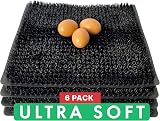 LUMERAM Washable Silicone Chicken Nesting Pads9.6/10View on Amazon
- 2
 HealthiStraw FarmStraw Coarse Cut Wheat Straw Bedding9.6/10View on Amazon
- 3
 Cackle Hatchery Laying Hen Nest Box Pads Made in USA fromView on Amazon
- 4
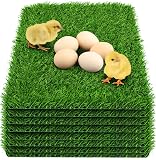 8 Pack Chicken Nesting Box PadsView on Amazon
- 5
 Aoriher 24 Pack Natural Hemp Chicken Nesting Pads ReusableView on Amazon
- 6
 Nesting Pads for Chicken CoopView on Amazon
- 7
 9pcs Nesting Pads for Chicken Coop Upgraded Washable ChickenView on Amazon
- 8
 Mile Four Chicken Nesting PadsView on Amazon
Nesting pads vs straw is the nest box version of fitted sheets vs loose blankets. Nesting pads are pre-cut liners, aspen excelsior, washable turf or jute, that drop into the box in one piece; straw is loose natural bedding you fluff in by the handful. Pads win on consistency and easy cleaning, straw wins on low cost and wide availability. Either one cushions eggs and gives hens a place to lay; the right pick depends on your flock size and how much time you want to spend on nest boxes.
Other options for the coop
 Cackle Hatchery Laying Hen Nest Box Pads Made in USA fromCheck price on Amazon
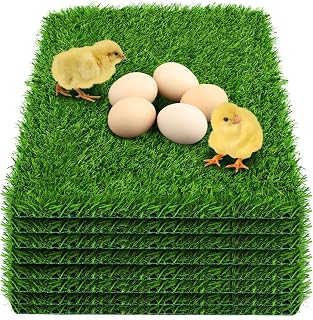 8 Pack Chicken Nesting Box PadsCheck price on Amazon
 Aoriher 24 Pack Natural Hemp Chicken Nesting Pads ReusableCheck price on Amazon
 Nesting Pads for Chicken CoopCheck price on Amazon
 9pcs Nesting Pads for Chicken Coop Upgraded Washable ChickenCheck price on Amazon
 Mile Four Chicken Nesting PadsCheck price on Amazon
CoopKeeperHQ earns a commission if you buy through our links, at no added cost to you. Affiliate disclosure.
Nesting pads vs straw: the short answer
Choose nesting pads when you want the box ready in seconds and the same surface every time. The listings here show the range: aspen excelsior pads from Eaton Pet and Pasture in 10 and 20 packs at 13 by 13 inches with a kraft paper layer that draws moisture down, Cackle Hatchery 13 by 13 pads that the maker says can last months under normal use, and My Favorite Chicken 10-packs with aromatic nest herbs; washable artificial turf from THREE ORANGES at 12 by 12 by 1.35 inches with drainage holes on the back, DenForste 12 by 12 by 1 inch pads that cut to fit, and Irieiply 12 by 12 by 1.2 inch pads with 4 drainage holes; plus Aoriher natural jute pads at 11.8 inches square, where the maker suggests 2 to 4 layers, and Duncans Poultry excelsior in a 40-pack. Choose straw when cost and availability matter most: it is the traditional loose bedding, hens can shape it into a nest, and soiled straw goes straight to the compost pile. It needs replacing more often than a pad, and it can mat down when damp.
What nesting pads offer
Pads are about repeatability. An excelsior pad like the Eaton 13 by 13 goes in flat and stays put, and the fibers cradle the egg; Cackle Hatchery notes the fibers keep eggs elevated, which makes gathering easier than with loose bedding, and My Favorite Chicken adds organic botanicals and edible flowers for a calm-smelling box. Washable turf pads go further: the THREE ORANGES and Irieiply pads rinse clean and the back drainage holes let water out, and DenForste says its pads can be cut or joined to fit odd box sizes. The Aoriher jute pads sit in the middle, natural fiber but pad-shaped, washable with soap and water and compostable at the end. The tradeoff is upfront cost: you buy a pack for a set number of boxes, though the washable ones spread that over many uses.
What straw offers
Straw is the low-tech answer and still the most common nest material in backyards. It is cheap, sold everywhere feed is sold, and hens instinctively hollow out a nest in it, which many keepers like to watch. Soiled straw composts well with droppings. The downsides are maintenance and consistency: hens kick it out of the box, it needs topping up and full changes regularly, and a damp clump stays damp, which is why pad makers keep pointing at moisture handling. Straw quality varies by bale, so one box can look very different from the next.
| Nesting pads | Straw | |
|---|---|---|
| Form | Pre-cut liners: 13×13 excelsior, 12×12 turf, 11.8 in jute | Loose stalks, fluffed by hand |
| Cleaning | Turf and jute rinse or wash; excelsior lifts out as one piece | Remove and replace |
| Moisture handling | Turf drainage holes; excelsior draws moisture to kraft layer | Can mat when damp |
| Lifespan | Cackle: months under normal use; turf: many washes | Replaced regularly |
| Egg breakage | Makers cite cradling fibers and high-friction turf | Depends on depth and freshness |
Which one suits your flock
Match the bedding to your routine. A small flock where speed matters: washable turf pads, rinse and rotate. A keeper who likes natural materials: excelsior pads from Eaton, Cackle or My Favorite Chicken, or the Aoriher jute in 2 to 4 layers, all compostable at the end. A big flock on a budget, or anyone who already buys straw bales for the run: straw, topped up often and changed when soiled. Many keepers mix them, pads in the favorite boxes and straw elsewhere, which also tells you which the hens prefer. For the boxes themselves, see our guide, and for the rest of the coop, .
Buying advice: match the pack to your boxes
Count nest boxes before you buy. Excelsior pads come in 10 and 20 packs from Eaton Pet and Pasture and a 40-pack from Duncans Poultry, so a keeper with 4 boxes gets 10 changes from a 40-pack while a keeper with 12 boxes gets barely 3. Turf pads sell in smaller counts, so compare price per box, not per pack, when weighing them against straw. Check the fit against your boxes: 13 by 13 inches for excelsior, 12 by 12 for turf, 11.8 inches square for the Aoriher jute. The jute maker suggests 2 to 4 layers per box, which means a pack covers fewer boxes than the pad count suggests, so multiply before ordering. For washable turf, buy two sets: one in the boxes while the other dries after rinsing, since the drainage holes move water through but the pad still needs air time. Thicker is not always better: the 1.35 inch THREE ORANGES pad cushions more than the 1 inch DenForste, but both drain through the back holes all the same.
Birds, breed size, run time and climate in; coop floor, run space, roost length and nesting boxes out.
Wash your hands after handling birds, eggs or equipment, supervise children around the flock, and check local rules on flock size and roosters before you buy. For sick birds, call a poultry veterinarian or your state extension office. See CDC backyard poultry guidance. Read our Safety Disclaimer.
FAQ for the flock
Can you wash chicken nesting pads?
The turf pads say so directly: THREE ORANGES and Irieiply describe washable pads with drainage holes, DenForste calls its pads washable, and Aoriher says its jute pads wash with soap and water. Excelsior pads are not washed; they are lifted out and replaced.
How often should straw be replaced in nest boxes?
There is no single number; change it when it looks soiled, smells damp, or has matted flat, and top up between changes. Pads stretch the interval: Cackle says its excelsior pads can last months under normal use.
Do nesting pads fit standard nest boxes?
The listings cluster around two sizes, 13 by 13 inches for excelsior and 12 by 12 for turf, with the Aoriher jute at 11.8 inches square. Turf pads cut to fit odd boxes, and the jute maker suggests stacking 2 to 4 layers for depth.
Will hens actually lay on pads?
Most do. The turf listings describe a grass-like look that attracts hens, and the excelsior makers note hens nest on the soft fibers. A hen that grew up on straw may need a few days; leaving one straw box while the rest switch over smooths the change.
Can used straw go in the compost?
Yes, straw with droppings is classic compost material. Used jute pads compost too, per the Aoriher listing; excelsior pads, being wood fiber, go to the compost pile as well. Turf pads do not compost; they get washed and reused.