Plywood vs OSB Chicken Coop: Which One Should You Buy?
Plywood vs OSB for chicken coops: plywood handles damp better and holds fasteners well, OSB costs less for dry spots, plus four ranked gear picks for the build.

On this page
Top picks at a glance
As an Amazon Associate I earn from qualifying purchases.
- 1
 PawHut 137" Chicken Coop with Extra Large Run9.7/10View on Amazon
- 2
 9.8 x 6.5 x 6.5 ft Metal Chicken Coop9.7/10View on Amazon
- 3
 Quictent 12x9x6.6ft Large Metal Chicken Coop Run With Perch &9.7/10View on Amazon
- 4
 VIXZEN Chicken CoopView on Amazon
- 5
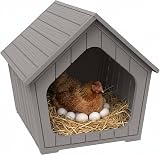 VIXZEN Outdoor Indoor Chicken CoopView on Amazon
- 6
 Chicken Roosting Bars with Dust BathView on Amazon
- 7
 Automatic Chicken Coop Door Solar Powered with Timer & LightView on Amazon
- 8
 Chicken Coop Heater for Winter with Smart APP ControlView on Amazon
- 9
 PETNF Chicken Coop Heater 140 Watts Radiant Heat ChickenView on Amazon
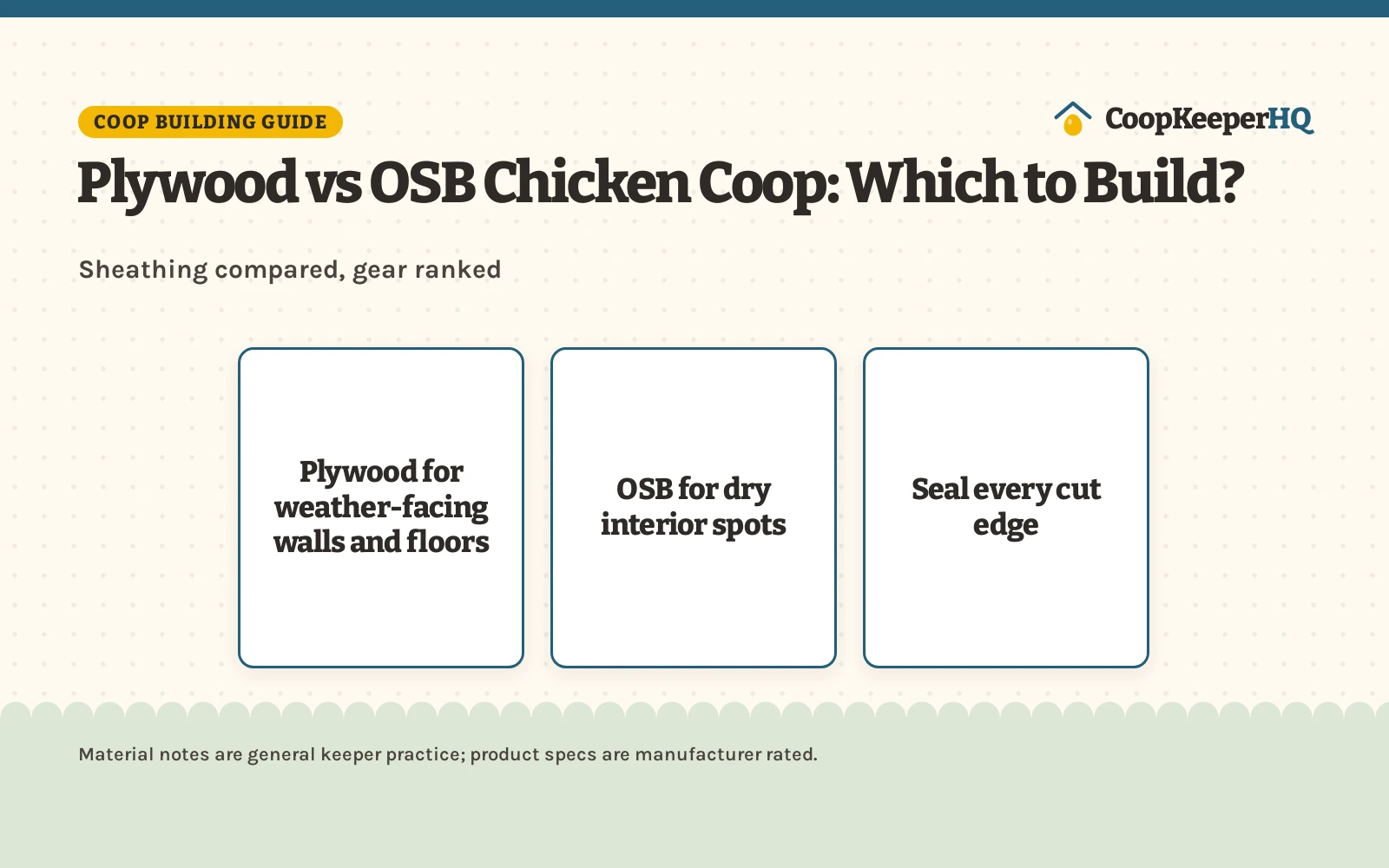
Morning chores are done, the feeder is full, and now you are staring at the coop wall that needs rebuilding before the weather turns. The question of plywood vs OSB chicken coop sheathing comes down to this: plywood handles damp better and holds fasteners well, while OSB costs less and works fine wherever it stays dry. For most backyard keepers, plywood is the safer pick for walls and floors that see weather, and OSB is a fair choice for dry, well-roofed spots.
Other options for the coop
 VIXZEN Chicken CoopCheck price on Amazon
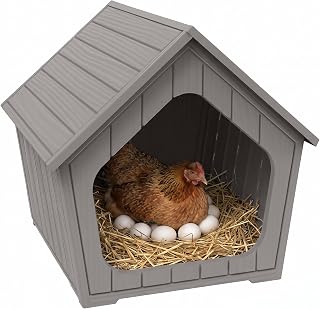 VIXZEN Outdoor Indoor Chicken CoopCheck price on Amazon
 Chicken Roosting Bars with Dust BathCheck price on Amazon
 Automatic Chicken Coop Door Solar Powered with Timer & LightCheck price on Amazon
 Chicken Coop Heater for Winter with Smart APP ControlCheck price on Amazon
 PETNF Chicken Coop Heater 140 Watts Radiant Heat ChickenCheck price on Amazon
CoopKeeperHQ earns a commission if you buy through our links, at no added cost to you. Affiliate disclosure.
Plywood vs OSB chicken coop: the short answer
Plywood is made of thin wood veneers layered with the grain running crosswise, which gives it steady strength and lets it dry out after getting wet. OSB is made of wood strands pressed together with adhesive, which makes a uniform sheet that swells at the cut edges when it stays damp. On a coop, use plywood where rain, ground splash or bedding moisture will reach the sheet, and save OSB for dry interior walls or a coop with a generous roof overhang. Either way, seal or paint every sheet, because bare edges are where both materials fail first.
What plywood brings to a coop
Plywood’s cross-layered build resists warping and holds screws and nails well, which matters on a coop that gets dragged, lifted or bumped during cleaning. If a wall gets wet, plywood tends to dry back out without the edge swelling that plagues OSB. The trade-off is cost: plywood usually runs more than OSB for the same coverage, so keepers on a budget often mix the two, with plywood on the weather side and OSB inside. When you buy, look for sheets rated for exterior use and check each sheet for voids or delamination before it goes on the wall.
What OSB brings to a coop
OSB’s pressed-strand build makes a flat, consistent sheet with no knots or voids, and it is usually the cheaper option at the lumber rack. For interior sheathing, partitions or a well-roofed run wall that never sees direct rain, it does the job. Its weakness is water: soaked edges swell and stay swollen, and a swollen edge holds moisture against the framing. If you use OSB outside, seal every cut edge and keep the bottom edge off the ground, because wicking from below is a common way OSB coop walls fail.
Where each one belongs on the coop
Walls that face the weather belong to plywood. The floor under the bedding belongs to plywood too, since bedding can hold moisture against it. Interior partitions, the inside of a dry loft, or walls under a deep overhang are fair game for OSB. The roof deck under shingles or metal can go either way, as long as the roofing itself is sound, because the deck stays dry as long as the roofing is sound and ventilated. Whichever you choose, paint or seal all six sides of every sheet before assembly; keepers who skip the back side learn why the hard way.
Fasteners matter as much as the sheet. Screws hold better than nails in both materials and make future repairs simpler, which counts on a coop you will open up again. Space the framing so the sheet edges land on solid wood, and leave a small gap at the bottom of wall sheets so they never sit in puddles.
Gear for the build and the flock
Ranked by how completely each listing documents itself, here is the gear section for this guide. First, the TANGJEAMER large wooden chicken coop: a double-layer wooden coop and run for 2 to 8 chickens, 161.5 in long by 44.5 in high by 26 in wide, with a side nesting box, galvanized wire fencing for ventilation, a ramp and a removable sliding tray for cleaning. The listing describes thick wood with weather-resistant construction and a wooden roof against rain, wind and snow. It suits a keeper starting a flock of up to 8 birds who wants the coop and run in one box.
Second, the VIXZEN resin chicken coop: a resin PP shelter with a wood grain finish, sloped roof and a gas strut top opening, built for outdoor duck and chicken housing. The listing claims strong water and UV resistance for outdoor use, which we report as the maker’s claim, plus a spacious interior and a design made for long-term outdoor placement. It suits a keeper who wants an easy-to-clean shelter rather than a wooden build.
Third, the HaoCpetslian wooden nesting box 3-pack: three portable solid-wood nesting boxes, model JW-03, each 12.6 by 11.8 by 14.96 in, for hens or ducks. The boxes can be wall-mounted or set on the ground, with a pitched roof, a raised nesting platform and protective shelter design. It suits a keeper adding laying space to an existing coop.
Fourth, the Luplom chicken perch with ladder and swing: a wooden and metal activity structure, 38 in long by 16 in wide by 27.5 in high, stated to hold 8 to 10 chickens; the bullets describe easy assembly with marked parts, though the spec table says no assembly is required. The listing describes a perch, a ladder and a swing for enrichment, plus rust-resistant metal pipes and sturdy wood for indoor or outdoor use. It suits a keeper furnishing a run rather than building walls. If you are deciding whether to build at all, the build vs buy chicken coop guide walks through the trade-off.
Birds, breed size, run time and climate in; coop floor, run space, roost length and nesting boxes out.
Wash your hands after handling birds, eggs or equipment, supervise children around the flock, and check local rules on flock size and roosters before you buy. For sick birds, call a poultry veterinarian or your state extension office. See CDC backyard poultry guidance. Read our Safety Disclaimer.
FAQ for the flock
Can I use OSB for a chicken coop?
Yes, where it stays dry. OSB works for interior walls, partitions and well-roofed sections, but its cut edges swell when they stay damp, so seal every edge and keep it off the ground.
Is plywood better than OSB in wet weather?
Generally yes. Plywood’s layered build dries out after wetting better than OSB, which makes it the safer pick for exterior walls, floors under bedding and any sheet near the ground.
Do I need to paint the sheathing?
Both materials last longer sealed or painted, and the cut edges matter most. Paint or seal all sides of every sheet before assembly, including the back face you will never see again.
Which gear pick fits a small flock?
The TANGJEAMER coop is listed for 2 to 8 chickens, which covers a typical backyard flock. The Luplom perch is stated to hold 8 to 10 chickens, and the nesting box 3-pack adds laying space to any existing coop.
What size are the nesting boxes?
Each box measures 12.6 by 11.8 by 14.96 in, and the pack includes 3 boxes, model JW-03. They can be wall-mounted or placed on the ground.
More coop guides
For more coop decisions, see the build vs buy chicken coop guide, the 8×8 vs 8×10 chicken coop comparison and the best chicken nesting box for 4 hens roundup.