Straw vs Hay Chicken Bedding: Which One Should You Buy?
A keeper's guide to straw vs hay for the coop floor and nesting boxes, with two straw bedding options compared from the listings.

On this page
Top picks at a glance
As an Amazon Associate I earn from qualifying purchases.
- 1
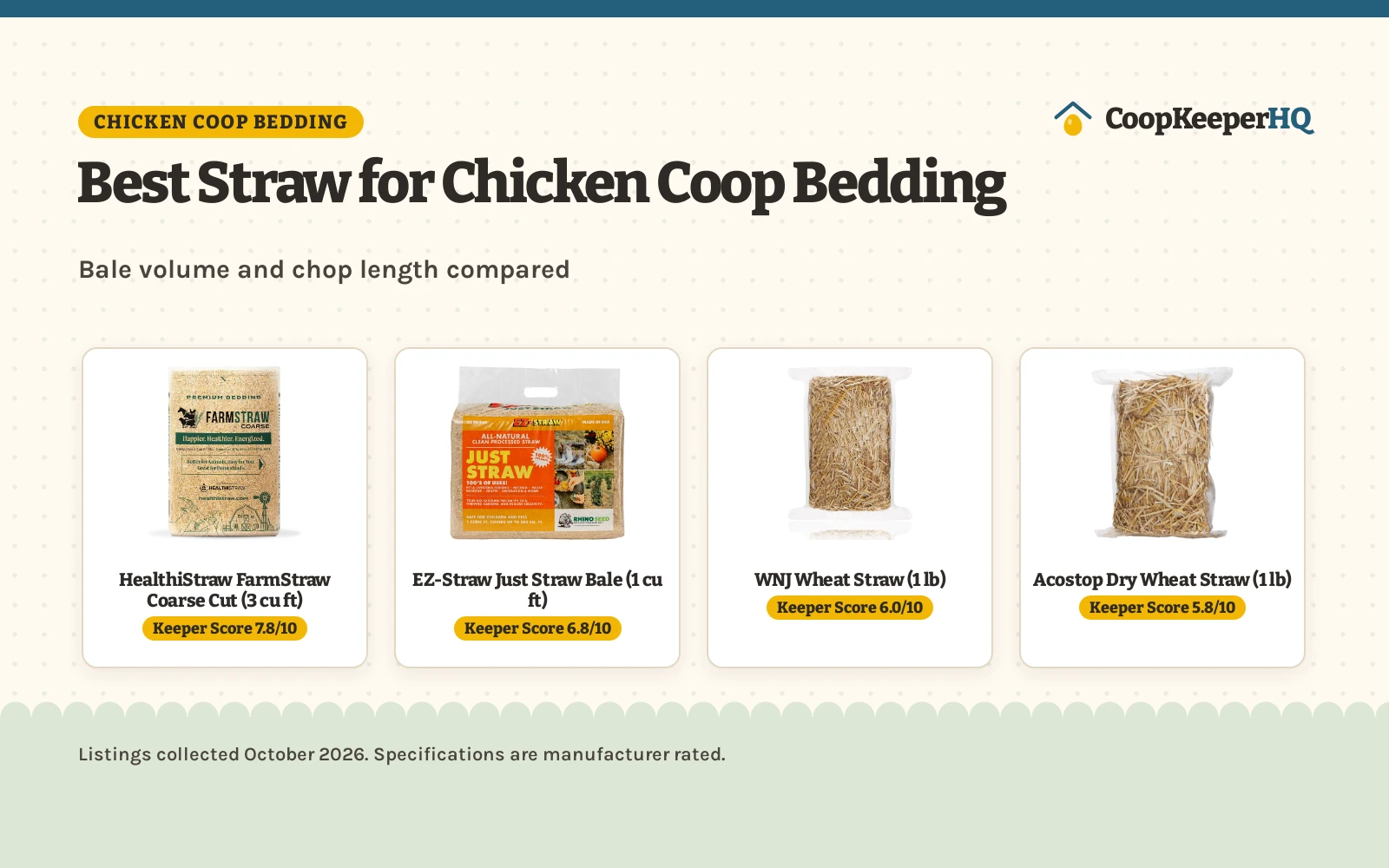
 HealthiStraw FarmStraw Coarse Cut Wheat Straw Bedding9.6/10View on Amazon
- 2
 Chicken Nesting Pads for Chicken Coop Accessories9.6/10View on Amazon
- 3
 Mckkymi Natural Wheat Straw Bedding9.5/10View on Amazon
- 4
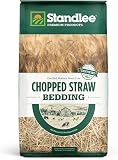 Standlee Hay Company Wheat or Barley Chopped Straw for AnimalView on Amazon
- 5
 Chicken Bedding 115 Usable LitersView on Amazon
- 6
 80 oz Natural Radiata Pine Shavings BeddingView on Amazon
- 7
 Premium Hemp Bedding for Chicken Coops 285LView on Amazon
- 8
 Standlee Hay Company Flock Fresh Premium Poultry BeddingView on Amazon
- 9
 Premium Pine BeddingView on Amazon
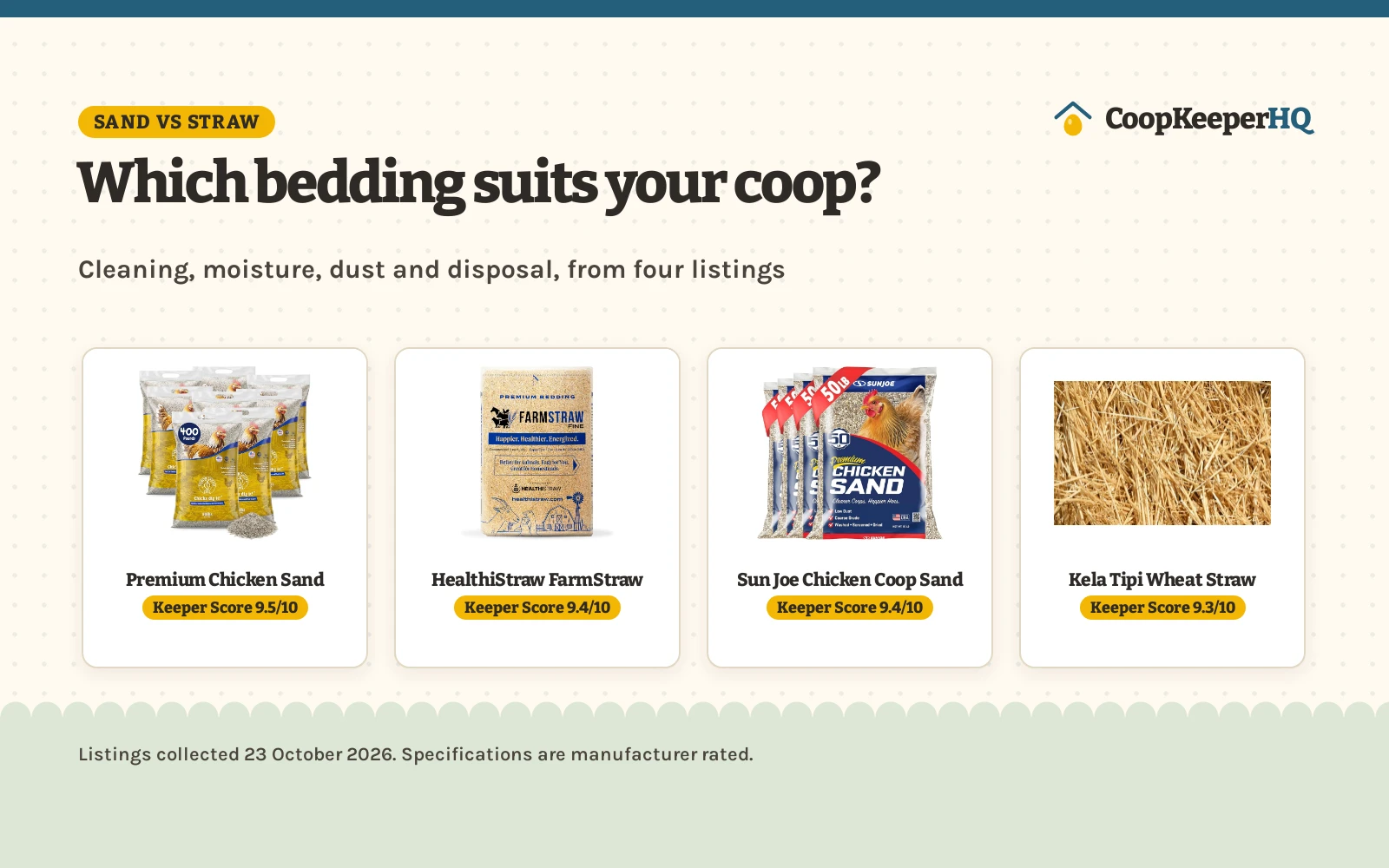
Morning coop chores start with the bedding: a quick look at the nesting boxes, a fork through the floor litter, and a decision about what to top up with. Straw vs hay chicken bedding is the classic version of that decision. Straw is the hollow-stalked, springy option that insulates and composts well; hay is the softer, leafier feed crop that chickens are more likely to peck at and eat. Both bedding listings in this guide are straw, so the straw side below is concrete and the hay side is general guidance.
Other options for the coop
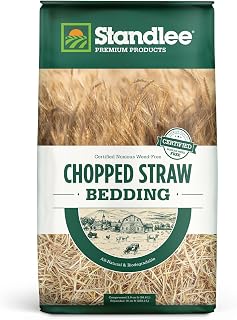 Standlee Hay Company Wheat or Barley Chopped Straw for AnimalCheck price on Amazon
 Chicken Bedding 115 Usable LitersCheck price on Amazon
 80 oz Natural Radiata Pine Shavings BeddingCheck price on Amazon
 Premium Hemp Bedding for Chicken Coops 285LCheck price on Amazon
 Standlee Hay Company Flock Fresh Premium Poultry BeddingCheck price on Amazon
 Premium Pine BeddingCheck price on Amazon
CoopKeeperHQ earns a commission if you buy through our links, at no added cost to you. Affiliate disclosure.
Straw vs hay chicken bedding: the short answer
Straw for the floor and the nesting boxes; hay only as an occasional nest-box fill, and only if you keep it dry. Straw is hollow and stiff, so it springs back, insulates and is easy to fork. Hay holds moisture and can mold more readily, which makes it a weaker choice for bedding, and hens tend to peck at it and eat it. Whichever you choose, keep it dry: damp bedding of any kind is the thing to avoid.
What straw brings to the coop
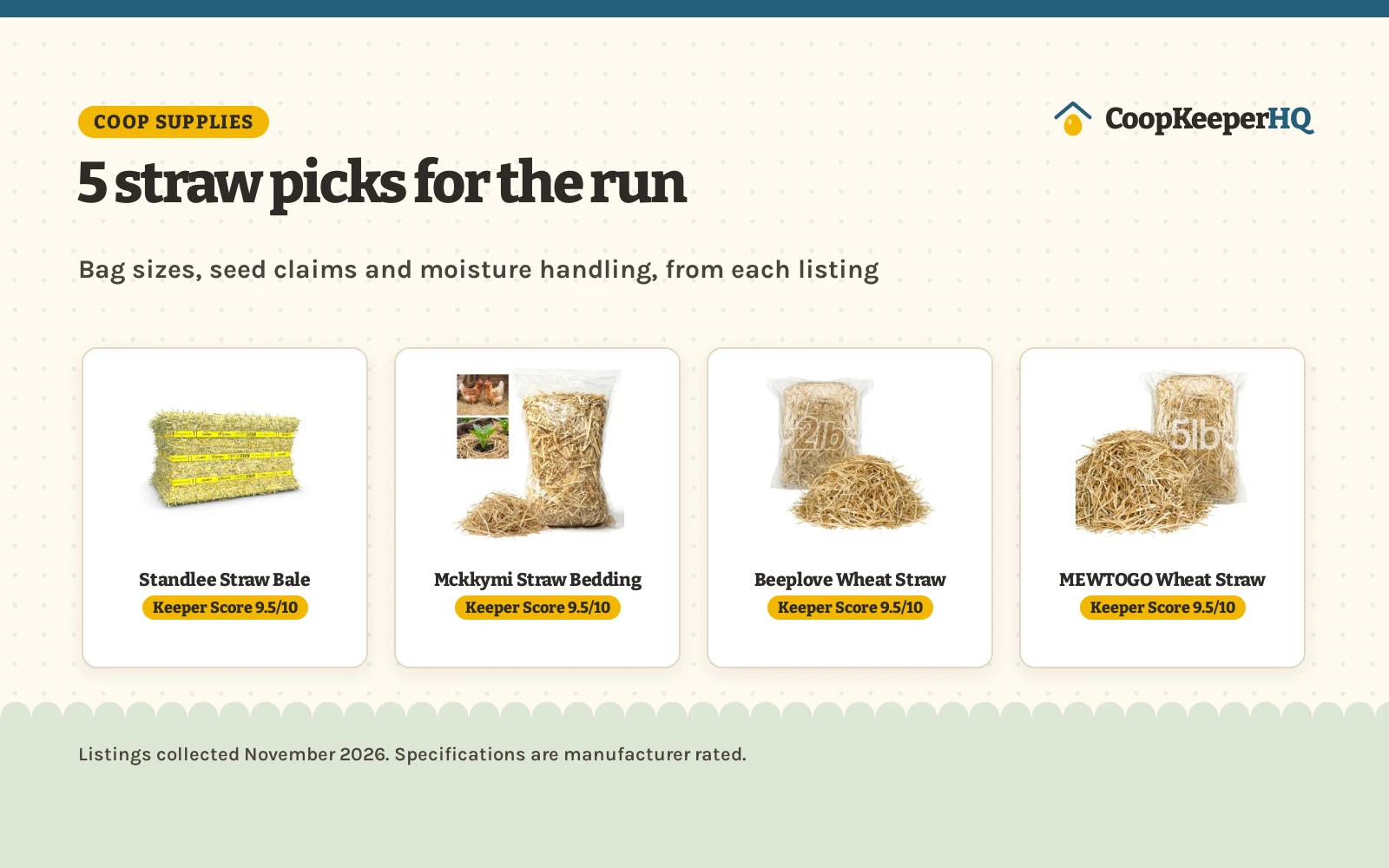
Straw is the stalk left after grain harvest, hollow and stiff, which is why it traps air and insulates. The Standlee listing states its chopped straw repels moisture and is mold resistant, comes chopped into approximately 4-inch pieces so you discard only soiled bedding, and is certified noxious weed free. It recommends the straw for chicken coops and lists chickens, goats, sheep, rabbits and guinea pigs as suggested animals. The bag is 25 pounds, compressed to 2.0 cubic feet and expanding to 10 cubic feet.
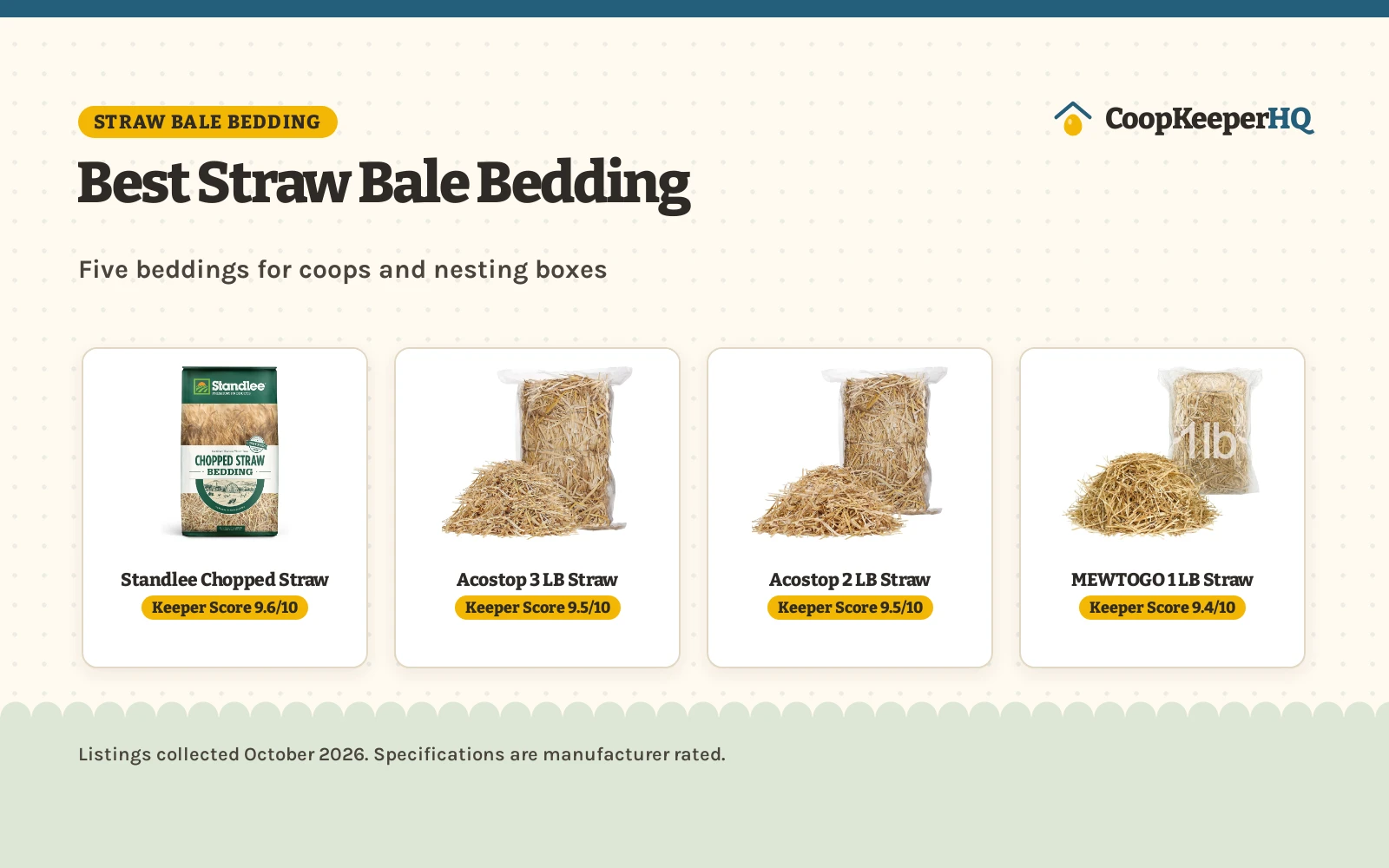
The Acostop listing is the small-bag option: 3 pounds of sun-dried wheat straw in a 14 x 9 x 5 inch vacuum-sealed package, with no chemicals or weed seeds stated, for chicken coops, nesting boxes, cat shelters and rabbit hutches. The Standlee listing adds one caution: barley or wheat seeds may be present and may germinate if the used bedding goes into the garden, so compost hot or keep it out of seed beds.
What hay brings to the coop
Hay is cut and dried forage, leafier and softer than straw, grown as feed rather than left over from grain. That softness makes it a comfortable nesting material, and it is the reason hens peck at it: to a chicken, hay looks like food. It also holds moisture, so it can mold more readily than straw if it gets damp. Neither listing in this guide is hay, so buy hay the way you would buy feed, from a feed store or farm supplier, and look it over for dampness before it goes into the coop. For a broader bedding roundup, see our best chicken coop bedding guide.
Straw or hay in the nesting boxes
Nesting boxes want a soft, shaped cup that holds its form under a hen. Straw works: the hollow stalks spring back and the Acostop listing names nesting boxes as a recommended use. Hay is softer and hens often like it, but treat it as an occasional fill, kept dry, and watch whether your flock eats it; a box that gets eaten down to the wood needs refilling more often. Either way, change soiled material promptly.
Straw or hay on the coop floor
The floor is where straw earns its keep. Deep, dry straw insulates in cold weather, forks easily during cleanouts, and the Standlee’s chopped 4-inch pieces mean you lift out only the soiled parts. Hay on the floor packs down faster underfoot, holds damp, and, since hens eat it, disappears into the flock instead of staying as litter. For the floor, straw is the pick.
Two straw options from the listings
The Standlee chopped straw is the flock-size buy, suited to a full coop cleanout plus top-ups, with moisture-repelling and mold-resistant bedding stated and chicken coops recommended. The Acostop is the small-coop buy, suited to a small coop or a few nesting boxes without storing a bale, with vacuum packaging stated to keep it clean and odor-free. Neither listing states a warranty term. Buy the size you will use before it gets damp in storage, and keep any straw dry until it goes down.
Wash your hands after handling birds, eggs or equipment, supervise children around the flock, and check local rules on flock size and roosters before you buy. For sick birds, call a poultry veterinarian or your state extension office. See CDC backyard poultry guidance. Read our Safety Disclaimer.
FAQ for the flock
Can chickens eat straw bedding?
Chickens peck at straw but generally do not eat much of it, since straw is stalky with little feed value. Hay is the one they eat readily, which is one more reason straw suits the floor and boxes, with hay only as an occasional dry nest-box fill.
Is straw warm enough for winter?
Straw’s hollow stalks trap air, which is why it insulates well as deep, dry bedding. Keep it dry and deep, keep vents open high on the wall for moisture, and skip heat lamps in favor of safer options.
How often should I change straw bedding?
It depends on flock size and weather, but the rhythm is simple: remove soiled and damp patches as you see them and top up with dry straw. The chopped pieces in the Standlee listing make spot-cleaning easier since you lift out only what is soiled.
Can I compost used straw bedding?
Yes, used straw bedding composts well, and the Standlee listing names composting as a recommended use. Note its warning: barley or wheat seeds may be present and may germinate in the garden.
Straw or hay for chicks?
Neither listing is aimed at chicks specifically. For brooders, keep bedding dry and draft-free, and check our brooder guides for age-appropriate setups.