Heated Base vs Submersible Water Heater: Which One Should You Buy?
Comparing heated bases and submersible water heaters for winter flock water, covering container compatibility, power draw and freezing protection.

On this page
Top picks at a glance
As an Amazon Associate I earn from qualifying purchases.
- 1
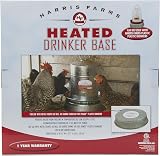 Harris Farms Heated Poultry Drinker Base for Metal and9.6/10View on Amazon
- 2
 Chicken Water HeaterView on Amazon
- 3
 My Favorite Chicken Heated Poultry Waterer BaseView on Amazon
- 4
 12 Inch Chicken Water Heater BaseView on Amazon
- 5
 Heated Chicken Waterer BaseView on Amazon
- 6
 Farm Innovators Heated Base for Double-Wall Metal PoultryView on Amazon
- 7
 Lil'Clucker Heated Base for Chicken WatererView on Amazon
Breaking ice out of frozen waterers at dawn in sub-freezing weather is among the most frustrating winter chores backyard chicken keepers face. When deciding between a heated base vs submersible water heater, the right choice depends on your drinker style and container material. A heated base prevents freezing beneath an upright poultry fount, whereas a submersible deicer sits submerged directly inside a bucket, pan, or reservoir.
Other options for the coop
 Chicken Water HeaterCheck price on Amazon
 My Favorite Chicken Heated Poultry Waterer BaseCheck price on Amazon
 12 Inch Chicken Water Heater BaseCheck price on Amazon
 Heated Chicken Waterer BaseCheck price on Amazon
 Farm Innovators Heated Base for Double-Wall Metal PoultryCheck price on Amazon
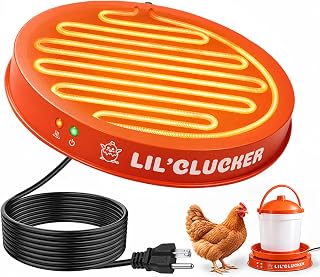 Lil'Clucker Heated Base for Chicken WatererCheck price on Amazon
CoopKeeperHQ earns a commission if you buy through our links, at no added cost to you. Affiliate disclosure.
Heated base vs submersible water heater: comparing coop deicer options
Both heated bases and submersible water heaters prevent drinker ice during freezing weather, but they transfer heat through different mechanisms. A heated base supplies external contact heat against the bottom pan of an upright container, keeping ice from forming in the drinking ring while keeping cords outside the vessel. A submersible heater provides internal immersion heat directly inside the water column, preventing freezing throughout the standing liquid from within.
Choosing between them is primarily about matching your current watering hardware. Heated bases suit traditional gravity founts, while submersible units fit bucket drinkers, open troughs, and specialized reservoir setups.
How heated bases work under poultry founts
Heated bases rest on a level surface such as a wooden platform or cinder block, supporting an upright gravity fount directly on top of a warming plate. Heat conducts upward through the underside of the container pan, keeping the surrounding drinking ring clear of slush without disturbing the water reservoir above.
For example, Lxheir lists a 13 inch heated base with a 35 watt heating element rated for 3 to 5 gallons of water. The listing states that the base is suitable for metal or plastic poultry founts, noting higher heat transfer efficiency with metal. Lxheir also specifies overheat protection designed to shut off heating when the sensor detects temperatures above 68℉ so water does not become too hot to drink, resuming heating when temperatures drop below 35℉. The maker emphasizes that keepers must never place an empty plastic container on the heating plate.
How submersible heaters work inside bucket drinkers
Submersible heaters sit submerged in the water reservoir, transferring thermal energy directly into the standing liquid. As water circulates through gentle convective currents, the liquid remains above freezing without heating the supply excessively.
This immersion design is widely used by keepers who build bucket drinkers fitted with horizontal nipples or automatic watering cups for buckets. Because the heating element remains submerged inside the container, wind and cold air outside the bucket pull less heat away from the core reservoir. However, keepers should note that while the bulk water inside the bucket stays liquid, exposed external drinker nipples or shallow cups can still freeze during severe cold snaps because they project outside the heated water volume. Additionally, keepers must ensure the water level covers the heating element continuously, as operating exposed to air can melt plastic containers or burn out the heating element.
Matching the heater to your container material
Container material dictates how safely and efficiently each heater style operates. If your flock drinks from a heavy-gauge metal chicken waterer, a heated base provides ideal contact heat across the galvanized steel bottom, reducing ice formation around the drinking rim without placing electrical hardware in the water.
Plastic containers require extra caution. Submersible heaters operate safely inside plastic buckets as long as water surrounds the element, but heated bases must explicitly state plastic compatibility to prevent softening or warping. For wider tubs or rubber pans, submersible deicers sit securely at the bottom where flat bases cannot balance. Our guide on chicken waterer ideas details practical setups across different materials.
Power draw, wattage and thermostats
Power requirements vary considerably depending on heater design, container volume, and weather exposure. Poultry water deicers are designed solely to prevent ice from forming, not to produce warm water. Chickens prefer cool drinking water and often drink less if the water becomes warm.
Heated bases for poultry founts often operate on modest power; for example, Lxheir lists a 35 watt rating for its 13 inch base holding 3 to 5 gallons. Submersible heaters and open tank deicers, by contrast, frequently require higher wattage to maintain larger volumes of exposed water. Built-in thermostats help manage energy use across cold weather. In the Lxheir listing, the thermostat turns on when temperatures drop below 35℉ and incorporates overheat protection that stops heating above 68℉, keeping the water drinkable without scalding birds or drawing power unnecessarily.
Coop electrical safety and cord protection
Poultry housing contains dry bedding, feathers, and dander that demand strict electrical caution, whether gear is located in a coop or a covered run. Every heating appliance used around poultry must plug directly into a receptacle protected by a ground fault circuit interrupter (GFCI), cutting power instantly if an electrical fault occurs. Never use indoor extension cords in outdoor coop runs.
Cord protection is equally essential because chickens peck at bright or flexible wires. Look for deicers with armored wiring, such as the 6.5ft bite-resistant steel-wrapped cord specified by Lxheir. Fasten cords firmly along framing posts out of reach of birds, and keep all plug connections elevated inside weatherproof covers.
Placement inside the coop or covered run
Where you place a winter waterer impacts coop moisture and flock health. Placing open water containers inside an enclosed coop creates damp air, and excess humidity combined with freezing temperatures greatly increases frostbite risk on comb tips and wattles.
Position your heated drinker in a sheltered, predator-proof run whenever possible, keeping dampness outside the hen house while shielding water from blowing snow. Elevating the drinker on a flat cinder block keeps shavings and dirt out of the drinking dish. For broader cold-weather management, our winter coop care guide explains dry roosting and ventilation strategies.
Cleaning and winter maintenance routines
Winter deicing hardware requires routine maintenance to stay clean and reliable. Dust, spilled feed, and algae can coat heating plates or immersion coils, insulating the element and reducing heat transfer efficiency.
For heated bases, sweep loose litter and dust off the plate during morning chores to prevent debris from trapping heat. For submersible units, always unplug the power cord before reaching into the bucket, and wipe down the element with clean water and a soft cloth. Check water levels daily so immersion heaters remain submerged under all conditions.
Which water heater should you choose?
Selecting between these styles depends on your drinker design. Choose a heated base if you use traditional gravity founts, particularly galvanized metal models. It keeps power cords outside the drinker and lets you lift the reservoir cleanly for refilling. See our chicken water heater guide for additional equipment comparisons.
Choose a submersible heater if you use bucket systems with nipples or cups, or open watering tubs. Submersible units provide direct immersion efficiency inside the reservoir, though exposed nipples may still need monitoring during deep freezes. Our heated chicken waterer guide details dedicated winter drinker options.
A simple winter water checklist
- Match your heater type to your drinker design and container material
- Verify plastic compatibility before setting plastic founts on heated plates
- Plug heating equipment exclusively into GFCI-protected circuits
- Use bite-resistant armored cords and route wiring away from birds
- Place drinkers in a covered run to keep coop bedding dry and prevent frostbite
- Elevate the water station on a sturdy block to reduce litter contamination
- Check water levels daily to keep submersible elements fully submerged
Birds, breed size, run time and climate in; coop floor, run space, roost length and nesting boxes out.
Wash your hands after handling birds, eggs or equipment, supervise children around the flock, and check local rules on flock size and roosters before you buy. For sick birds, call a poultry veterinarian or your state extension office. See CDC backyard poultry guidance. Read our Safety Disclaimer.
FAQ for the flock
Can you use a heated base with a plastic chicken waterer?
You can use a heated base with a plastic waterer only if the manufacturer explicitly states plastic compatibility. Certain bases reach temperatures that warp lightweight plastic. For example, Lxheir states its heated base is suitable for metal or plastic poultry founts, provided the plastic container always contains water when resting on the base.
Will a submersible heater melt a plastic bucket?
A submersible heater will not melt a plastic bucket as long as it remains completely covered by water. Surrounding liquid absorbs thermal energy and distributes it throughout the vessel. If the water level drops and the heating element operates against dry plastic, melting or damage can occur.
Do chicken water heaters make the drinking water warm?
No, quality water deicers are designed solely to prevent ice from forming, not to warm the water. Chickens prefer cool water and drink less if water becomes warm. Thermostats cycle heat during freezing conditions and power down to maintain cool, drinkable liquid.
Can you leave a chicken water heater plugged in all winter?
Yes, models equipped with automated thermostatic sensors are designed to remain plugged in throughout the winter season. The internal thermostat turns heating on only when temperatures drop near freezing. Keep the power cord plugged into a GFCI outlet and inspect wiring periodically.
Where is the safest place to set up a heated chicken waterer?
The safest placement is inside a covered, predator-proof run on a flat, elevated cinder block. Setting the waterer in the run keeps spilled water and humidity out of the coop, reducing frostbite risk around the roosts while keeping bedding clean and dry.
More coop guides
- Heated Base for Chicken Waterer: 5 Winter Drinker Heaters Compared (2026)
- Best Chicken Water Heater: 5 De-Icers and Heated Bases
- Best Heated Chicken Waterer: Picks That Will Not Freeze
See the feeders and waterers picks and the coop supply guides.