How to Clean Small Chicken Coop: Step-by-Step Care and Routine
A practical routine for clearing waste, washing trays and refreshing bedding to maintain clean, dry housing for a backyard flock.

On this page
Top picks at a glance
As an Amazon Associate I earn from qualifying purchases.
- 1
 Aivituvin Mobile Chicken Coop with Wheels for 2-4 Chickens9.7/10View on Amazon
- 2
 Bee Jeweled Coop The Coop Scoop 2-in-1 Chicken Poop Scooper9.6/10View on Amazon
- 3
 Chicken Coop Ramp 52.5''L9.5/10View on Amazon
- 4
 K&H Brooder PlateView on Amazon
- 5
 Billy Buckskin Chicken Dust BathView on Amazon
- 6
 NOTASA Shed Windows 2 PackView on Amazon
- 7
 RentACoop 32oz Chicken Drinker with 2 Versatile Nipples 1View on Amazon
- 8
 Yuzzy 12" x 18" Shed Windows with Tempered Glass andView on Amazon
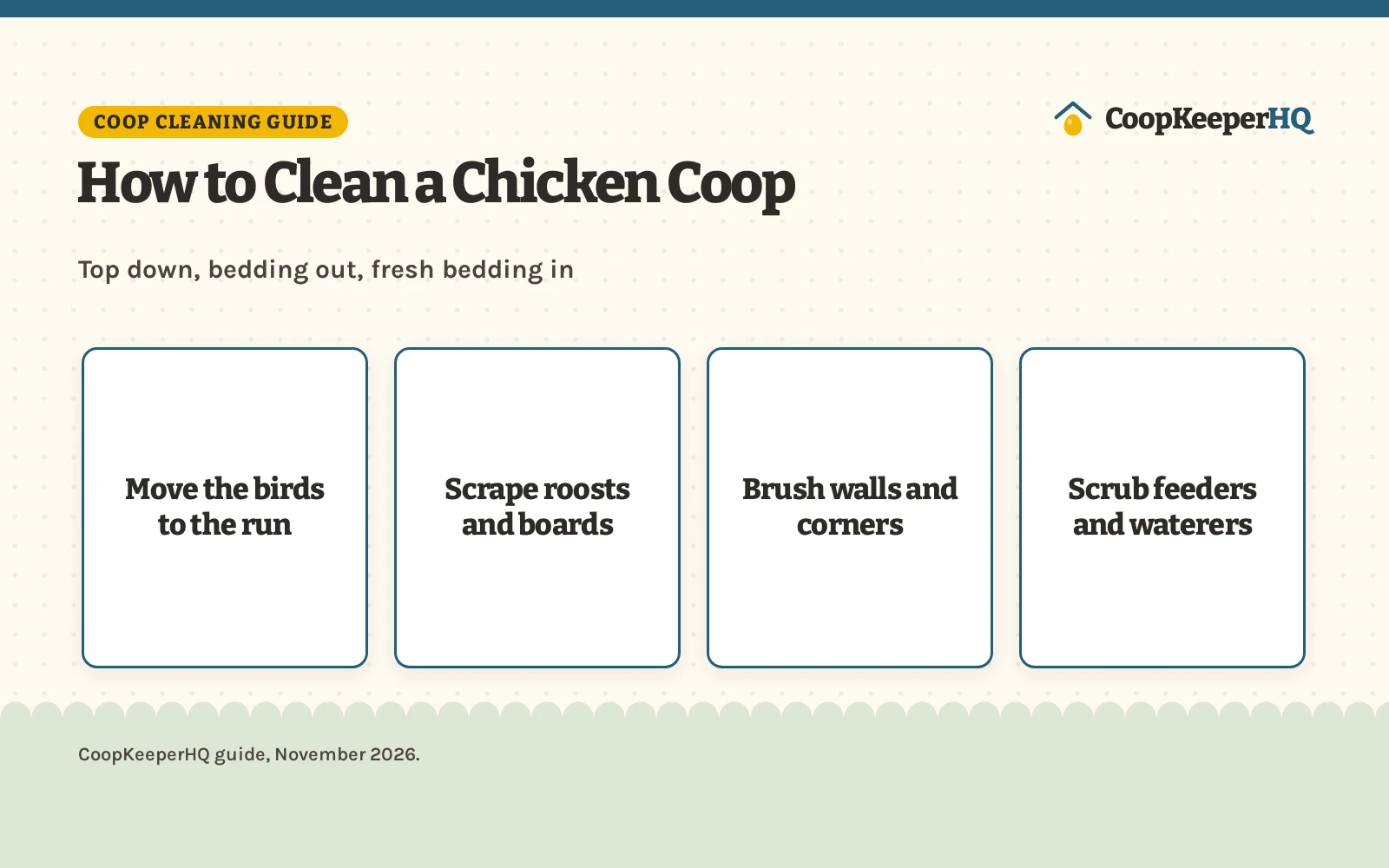
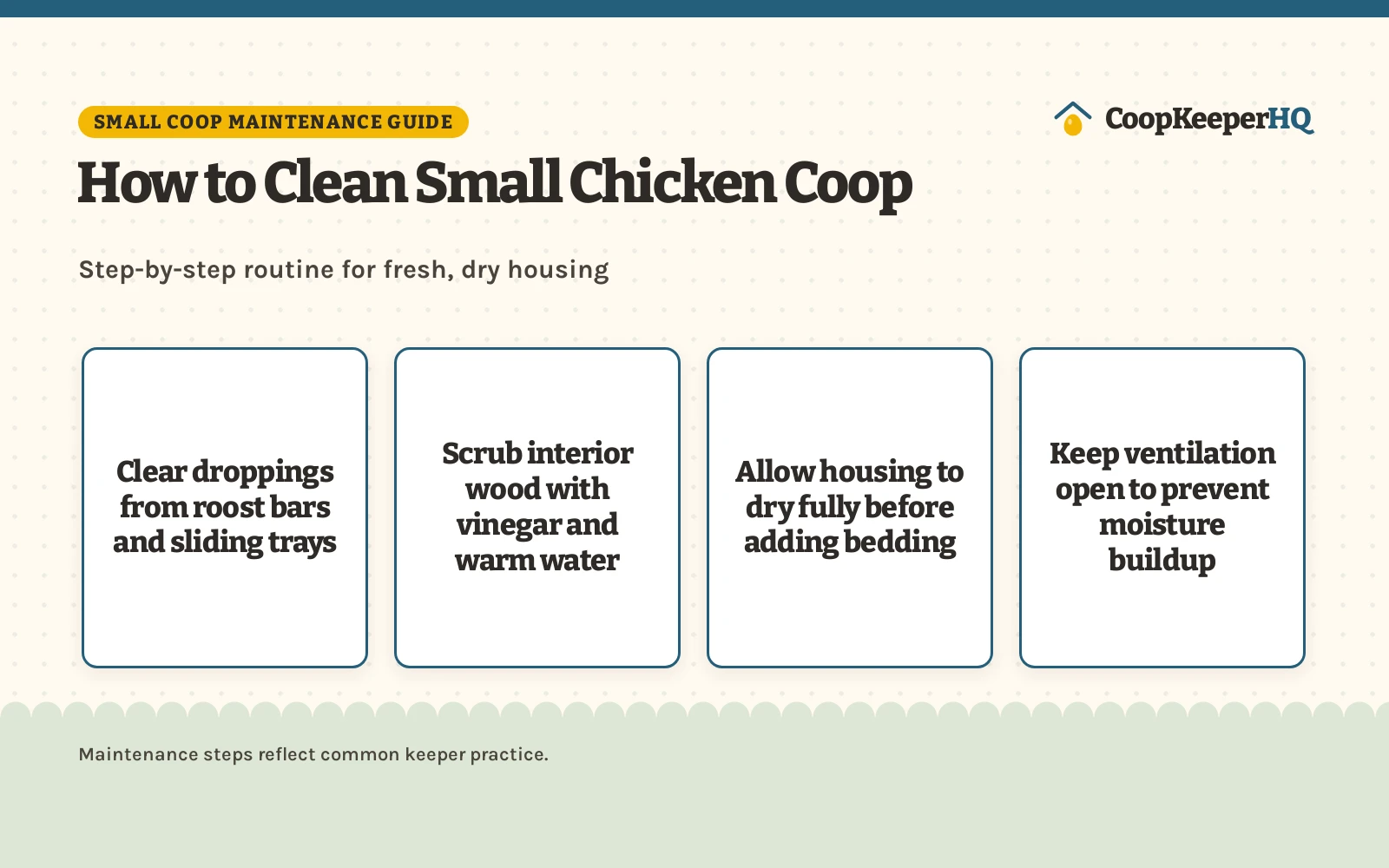
Cleaning a small chicken coop requires moving the flock into the run, scraping dried manure from roost bars, clearing soiled litter from droppings trays, washing interior surfaces with warm water and vinegar, and letting everything dry before adding fresh bedding. Because smaller coops provide less interior volume, manure and moisture build up faster than in walk-in barns. A reliable cleaning routine keeps ammonia down, prevents wood rot, and maintains a healthy environment for backyard hens.
Other options for the coop
 K&H Brooder PlateCheck price on Amazon
 Billy Buckskin Chicken Dust BathCheck price on Amazon
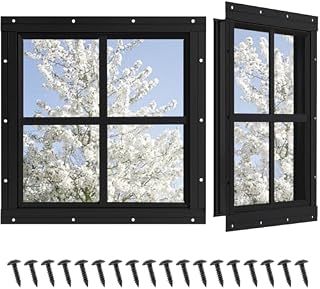 NOTASA Shed Windows 2 PackCheck price on Amazon
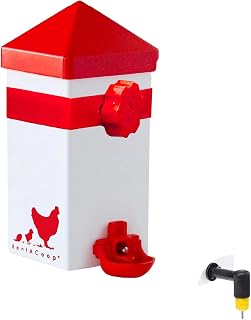 RentACoop 32oz Chicken Drinker with 2 Versatile Nipples 1Check price on Amazon
 The Coop Scoop® Original 2-in-1 Chicken Poop Scooper & RakeCheck price on Amazon
 Yuzzy 12" x 18" Shed Windows with Tempered Glass andCheck price on Amazon
CoopKeeperHQ earns a commission if you buy through our links, at no added cost to you. Affiliate disclosure.
How to clean small chicken coop: start with a steady routine
In a compact setup, droppings collect in concentrated spots beneath the roost and inside nest boxes. When moisture lingers on wooden floors or inside corners, ammonia fumes can irritate poultry respiratory systems. Keeping ahead of grime takes far less effort than scrubbing months of caked manure off bare timber. Dividing coop maintenance into quick daily chores and regular deep washdowns keeps the shelter sanitary without taking up hours of your weekend.
Before touching the coop, gather basic tools: a stiff putty knife or metal paint scraper, a stiff-bristle brush, a dedicated coop broom, a bucket of warm water, white vinegar, and a clean rag. Keep protective work gloves handy and consider a dust mask when handling dry, dusty bedding. Having your cleaning supplies arranged beforehand ensures the coop stays open for as little time as possible while your birds wait outside.
Secure the flock in the run
Never attempt to clean the interior while hens are roosting or laying. Chickens become stressed by sweeping brooms and scraping blades, and flapping wings scatter dust and dried manure into the air. Guide your flock out into their enclosed run and latch the pop door securely. If your setup features an automatic chicken coop door, switch it to manual hold so it does not close unexpectedly while you work.
While the birds scratch safely in the run, check their outdoor area for standing water or mud. A dry run apron keeps chicken feet clean, which prevents hens from tracking fresh mud back onto your freshly scrubbed coop floor. If your run needs reinforcement against burrowing predators while you focus on the hen house, installing heavy-gauge wire from our hardware cloth guide provides dependable perimeter security.
Empty out soiled bedding and nesting material
Remove all organic material from the coop floor and nesting compartments. In compact coops, droppings tend to clump together directly under the main perches rather than distributing evenly. Scoop out the wet litter first, working your scraper right down to the floorboards or bottom pan to dislodge stuck manure. Transfer the spent shavings into a garden cart or compost bin immediately so flies cannot gather around the coop.
Inspect the nest boxes and discard any soiled straw, cracked shells, or broken egg residue. Hens prefer clean, dark nesting spaces, and soiled bedding encourages dirty eggshells or egg eating. Once the boxes are clear, wipe down the dividers and base plates. If your nesting compartments are weathered or difficult to clean thoroughly, our nesting box guide reviews roll-away and drop-bottom designs that simplify egg collection and sanitation.
Scrape roost bars and wash sliding droppings trays
Most poultry manure drops overnight while hens sleep on their perches. Use a flat metal scraper to peel hardened droppings off the top and sides of the roost bars. Pay close attention to the underside of each bar and where the perches meet the coop walls, as dried droppings often lodge in those joints. Once scraped clean, brush the perches with a dry, stiff bristle brush to remove fine dust.
Many modern small coops feature slide-out droppings trays that simplify waste removal. For instance, the Pawpuler mobile coop (on Amazon) (measuring 51.4 inches long by 26 inches wide and 34.3 inches high) includes a removable waterproof tray on its upper level across its 2 levels, while the PetsCosset coop (77.41 inches long by 25.6 inches wide and 39.4 inches high) includes an oversized slide-out tray alongside 5 access points. Slide the tray out into the open yard, scrape heavy manure into the compost bucket, and scrub the metal or plastic pan with warm water. Let the tray dry completely in the sunshine before sliding it back into the frame.
Scrub interior wood without soaking the structure
Avoid blasting the inside of a wooden chicken house with a high-pressure garden hose. Soaking natural fir or pine forces moisture deep into the grain, causing swelling, warping, and mold growth. Instead, use a bucket of warm water mixed with plain white vinegar. Vinegar cuts through grease and grime naturally, loosens stubborn manure deposits, and leaves no toxic residue that could harm curious birds.
Dip your stiff-bristle scrub brush into the vinegar water, shake off excess liquid, and scrub the walls, floor corners, and droppings boards. Work from the top rafters down toward the floor so dirty runoff does not streak across cleaned sections. For corners with stubborn buildup, scrape gently with your putty knife before wiping the area with a damp cloth. Never use bleach or harsh industrial disinfectants on raw wood, as lingering fumes can damage sensitive avian lungs.
Ventilate thoroughly and let surfaces dry
Moisture is the primary enemy of coop cleanliness. Wet wood breeds bacteria and creates the damp conditions that promote mold and frostbite in cold weather. After washing, prop open all windows, human access doors, and ventilation panels to establish a brisk cross breeze through the interior. Sunshine provides natural sanitizing action, so positioning movable coops toward direct sunlight speeds up drying times.
Coops built with generous access points make ventilation and drying much faster. The TANGJEAMER coop (on Amazon) provides 3 access areas across its 52.8-inch by 27.6-inch by 24.36-inch dimensions, while the GOJOOASIS triangular A-frame coop (47 inches long by 18 inches wide and 19.5 inches high) incorporates 2 entrances. Keeping these panels wide open allows airflow to reach tight corners. Do not add fresh shavings or close the coop until the timber feels completely dry to your bare hand.
Clean ramps, feeders and waterers
While the coop dries, turn your attention to the accessories and feeding stations. Drinkers accumulate slime, algae, and floating dust, while feeder troughs often collect kicked-up bedding. Empty both containers, scrub them with warm water and vinegar, rinse thoroughly with fresh water, and allow them to air dry. If your flock frequently spills grain into their litter, switching to a gravity port model from our no-waste chicken feeder guide prevents feed spoilage and keeps the ground tidy.
Ramps also collect droppings as chickens travel between the roost and run. Wooden ramps need regular scraping along their climbing cleats. Alternatively, metal ladder attachments like the MTGSTOCL ramp (on Amazon) (52.5 inches long by 11.1 inches wide) feature 0.7 mm iron mesh that allows chicken waste to fall through rather than gathering on the steps. Wipe down the ramp frame and ensure all mounting hooks remain secure.
Add clean bedding and nest liners
Once the interior is dry, spread a generous layer of fresh, dust-free litter across the floor and droppings trays. Pine shavings, chopped straw, and industrial hemp are popular options for backyard flocks. Hemp absorbs moisture efficiently and controls ammonia odors, while kiln-dried pine flakes provide comfortable cushioning and pleasant aroma. Compare materials in our chicken coop bedding guide to match your coop style and regional climate.
Line nest boxes with clean nesting pads or fresh shavings. Compact coops such as the gaildon hen house (on Amazon) provide 2 large nesting boxes within a 50-inch long by 19-inch wide and 27-inch high wooden structure, giving hens dedicated laying spots. Keeping nest bedding deep and fluffy cushions freshly laid eggs, prevents shell breakage, and stops hens from soiling the box floor. Check that bedding does not block ventilation grates or pop door tracks.
Daily rhythm versus deep seasonal cleaning
A simple daily habit prevents the need for grueling scrub sessions. Each morning when releasing the flock, take a few minutes to inspect the roost area. Scoop out concentrated night droppings with a small litter scoop or spatula, stir surface bedding to keep it aerated, and check waterers for cleanliness. If a spot looks damp from a spilled drinker, remove that clump immediately and drop in a handful of fresh shavings.
Plan a complete deep clean on a regular schedule based on flock density and weather conditions. Flocks kept in compact quarters such as a coop for 2 hens require frequent tray emptying, whereas coops housing several birds need thorough washdowns more often. For keepers planning future flock expansions, our guides on how big a chicken coop should be and coops for 6 chickens explain how floor area impacts ongoing maintenance demands.
A simple small coop cleaning checklist
- Guide flock into the run and latch the pop door securely
- Remove drinkers and feeders for separate scrubbing and rinsing
- Scrape dried manure from roost bars, ramps, and corner joints
- Slide out droppings trays and dump waste into the compost bin
- Brush down cobwebs, dust, and loose feathers from walls and screens
- Scrub stained timber with warm water and white vinegar
- Prop open all doors and vents until interior wood dries completely
- Spread clean, dry bedding across floors and refresh nest box liners
- Return sanitized feeding gear and refill with fresh water and feed
- Reopen access door and allow flock back into clean housing
Birds, breed size, run time and climate in; coop floor, run space, roost length and nesting boxes out.
Wash your hands after handling birds, eggs or equipment, supervise children around the flock, and check local rules on flock size and roosters before you buy. For sick birds, call a poultry veterinarian or your state extension office. See CDC backyard poultry guidance. Read our Safety Disclaimer.
FAQ for the flock
How often should you clean a small chicken coop?
Daily maintenance takes only a few minutes: scoop manure from beneath roost perches, remove wet bedding clumps, and refresh water. Sliding droppings trays should be scraped into compost regularly. A thorough deep cleaning, including scrubbing wooden walls with vinegar water and replacing all floor litter, should occur seasonally or whenever bedding becomes damp and dusty.
What is the safest cleaner to use inside a wooden chicken coop?
Plain white vinegar mixed with warm water is the safest and most effective cleaner for wooden coops. Vinegar loosens dried droppings, cuts through odors, and does not emit toxic fumes. Avoid harsh chemical cleaners, industrial bleach, or synthetic disinfectants on unsealed timber, as lingering vapors can cause respiratory distress in poultry.
Can you use a pressure washer to clean a small chicken coop?
Using a pressure washer or heavy garden hose on wooden coops is generally not recommended. High-pressure water saturates soft timber, forcing moisture deep into joints and plywood seams. Saturated wood takes days to dry, warps siding, and invites mold or rot. A bucket, stiff brush, and damp wiping cloth clean effectively while keeping drying times short.
How do you keep a small chicken coop from smelling?
Controlling odor requires managing moisture. Remove night droppings from trays regularly, maintain open ventilation grates high on the coop walls, and replace wet shavings promptly. Absorbent bedding such as chopped hemp or kiln-dried pine flakes controls ammonia buildup far better than thin layers of straw.
What should you do with soiled chicken coop bedding?
Soiled wood shavings and chicken manure make excellent garden fertilizer when properly composted. Pile spent bedding into an outdoor compost bin where microbial heat breaks down organic matter. Allow the pile to decompose and mature thoroughly before spreading it onto vegetable beds, ensuring high nitrogen levels mellow into rich garden soil.
More coop guides
- Chicken Coop for 2 Hens: 5 Compact Backyard Picks (2026)
- Best Chicken Coop Bedding: Shavings, Hemp and Sand
- Best Chicken Nesting Box: Roll-Away and Open Picks
See the small chicken coop picks and the coop supply guides.