Plastic vs Ceramic Fake Eggs: Which One Should You Buy?
Plastic dummy eggs are light and hard to break while ceramic ones feel more like real eggs; here is how to pick between them for your nest boxes.

On this page
Top picks at a glance
As an Amazon Associate I earn from qualifying purchases.
- 1
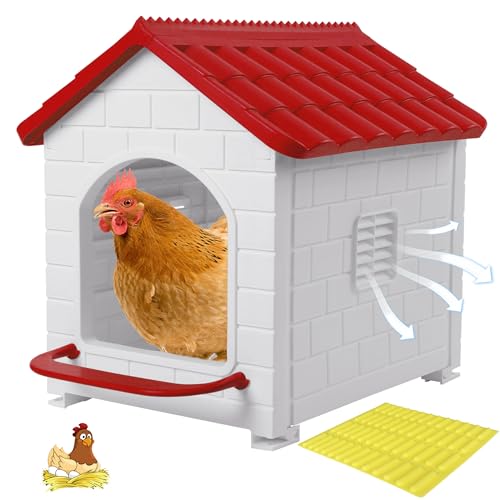 Deblue Plastic Single Compartment Chicken Nesting Box9.5/10View on Amazon
- 2
 SINLUCESCE 60 Packs Egg Cartons Cheap BulkView on Amazon
- 3
 SINLUCESCE 100 Packs Egg Cartons Cheap BulkView on Amazon
- 4
 50-Pack of 12-Count Plastic Egg CartonsView on Amazon
- 5
 60 Pcs Quail Egg CartonsView on Amazon
- 6
 Rockever Nesting Boxes for ChickensView on Amazon
Plastic fake eggs are light and hard to break, while ceramic fake eggs feel more like a real egg in the hand. That is the short answer to plastic vs ceramic fake eggs: choose plastic for durability and easy cleaning, choose ceramic when you want a dummy egg that looks and feels real in the nest. Hens accept plastic and ceramic alike after they get used to the sight of them.
Other options for the coop
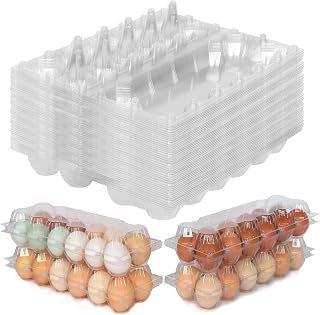 SINLUCESCE 60 Packs Egg Cartons Cheap BulkCheck price on Amazon
 SINLUCESCE 100 Packs Egg Cartons Cheap BulkCheck price on Amazon
 50-Pack of 12-Count Plastic Egg CartonsCheck price on Amazon
 60 Pcs Quail Egg CartonsCheck price on Amazon
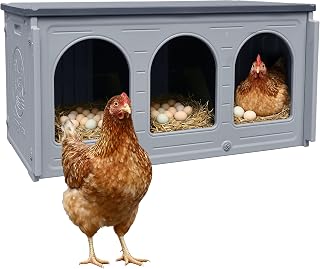 Rockever Nesting Boxes for ChickensCheck price on Amazon
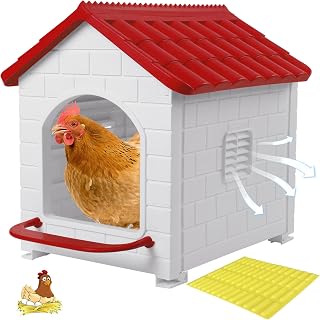 Nesting Boxes for ChickenCheck price on Amazon
CoopKeeperHQ earns a commission if you buy through our links, at no added cost to you. Affiliate disclosure.
Plastic vs ceramic fake eggs: why keepers use dummy eggs at all
A dummy egg in the nest box tells a hen where the safe place to lay is. Pullets that are just starting often drop their early eggs in odd corners of the coop, and a fake egg sitting in the nest steers them to the right spot. Broody hens also settle faster on a nest that already holds an egg shape. Plastic and ceramic each do this job; the difference is how they feel, how long they last and how easy they are to live with.
Plastic fake eggs: light, tough and easy to wash
Plastic dummy eggs win on durability. A hen that pecks at one will not crack it, and a drop from the nest box to the coop floor usually leaves it unmarked. They rinse clean under a tap, which matters because nest boxes pick up dust and the odd broken-yolk smear. Plastic eggs are also the lighter of the pair, so they are less likely to crack a real egg they roll against in a shared nest. The trade-off is feel: they are smooth and light, and a suspicious hen may give one a long look before accepting it.
Ceramic fake eggs: the lifelike option
Ceramic dummy eggs look and feel close to a real egg. They have real heft, a matte shell and a shape that reads as an egg to the eye, which can help a wary pullet accept the nest faster. The downside is breakage: ceramic can chip or crack if it is dropped on a hard floor, and a cracked ceramic egg has sharp edges that belong in the bin. They also hold cold longer on a winter morning.
Durability and cleaning compared
For rough handling, plastic is the safer buy. It survives pecking, dropping and knocking around in a cleaning bucket. Ceramic survives normal nest duty but not a fall onto concrete or stone. For cleaning, plastic rinses off and dries fast; ceramic washes fine too but should be checked for chips after any knock. If your nest boxes sit high off the ground, plastic removes the breakage worry entirely.
Which should you buy?
Buy plastic fake eggs if durability and easy cleaning matter most: households with children helping at the coop, nest boxes set high, or anyone who wants a set-and-forget dummy. Buy ceramic if you want the most lifelike dummy for training young pullets, and you are willing to handle it with care. Some keepers keep plastic eggs for daily nest duty and use ceramic ones to settle a broody hen. There is no wrong choice here, only the trade-off between toughness and realism.
Whatever you choose, see the nesting box guide if the boxes themselves need an upgrade, and the nesting box sizing guide for placement.
How to introduce fake eggs to the nest
Start with clean, well-bedded nest boxes. Set a dummy egg in the nests you want used and leave it there through the laying day. Pullets usually need a short spell to accept the new shape; do not move the egg around every hour, since a stable nest reads as safer. If a hen rolls the dummy egg out, put it back and give it time. Keep collecting the real eggs promptly so the nest never looks overfull and the hens keep using it.
When to retire a fake egg
Plastic eggs last a long while, but replace any that develop rough edges or cracks where dirt can hide. Ceramic eggs should be retired as soon as a chip appears, since a sharp edge can hurt a hen or crack a real egg that rolls against it. A dummy egg that has gone dull and dirty-looking can be washed; if washing does not bring it back, swap in a fresh one. Hens notice change, so a fresh dummy egg in a familiar nest keeps the signal working.
Birds, breed size, run time and climate in; coop floor, run space, roost length and nesting boxes out.
Wash your hands after handling birds, eggs or equipment, supervise children around the flock, and check local rules on flock size and roosters before you buy. For sick birds, call a poultry veterinarian or your state extension office. See CDC backyard poultry guidance. Read our Safety Disclaimer.
Buying advice: picking dummy eggs for your flock
Start from the nest boxes you have. High boxes that a dropped egg cannot survive argue for plastic; low, ground-level boxes let ceramic do its work without the fall risk. Households where children help with coop chores also suit plastic, since a dummy egg that survives a young helper’s grip survives the season.
Think about the hens you are training. Young pullets new to the nest boxes accept a lifelike ceramic egg readily, while an established flock that already lays where it should needs only the signal, and plastic delivers it at lower risk. For a broody hen you want settled, the heft of ceramic reads as real and keeps her on the nest.
Plan for spares. Dummy eggs roll out of nests, get buried in bedding and go missing during clean-outs, so keeping a spare dummy egg on hand keeps the signal working while you hunt for the lost one. Wash plastic eggs when they dull; retire ceramic at any chip, no matter how small.
FAQ for the flock
Do fake eggs really get hens to lay in the nest box?
Yes. A dummy egg signals that the nest is a safe, proven laying spot, and pullets in particular follow that signal. Place the fake eggs in the nests you want used and keep the boxes clean and private.
Will hens peck at fake eggs?
Some hens peck a new dummy egg out of curiosity and then ignore it. Plastic eggs take this without damage; ceramic eggs should be checked for chips if a hen goes at one hard.
Can a hen break a ceramic fake egg?
A hen is unlikely to break one by pecking, but a drop onto a hard floor can chip or crack ceramic. Remove any cracked dummy egg, since sharp edges can hurt feet or beaks.
Where should I put fake eggs?
In each nest box you want the hens to use. If a box stays empty while the others fill, try moving the dummy egg there or re-bedding the unused box.
Do fake eggs help stop egg eating?
They can help. A hen that pecks a hard dummy egg and gets nothing for it learns that pecking eggs is pointless. This works best alongside prompt collection of the real eggs and enough nest space.
More coop guides
- How Many Nesting Boxes per Chicken? Sizes and Placement
- Best Chicken Nesting Box for Broody Hens (2026): Low, Quiet Picks
- Are Backyard Chickens Worth It? Costs, Time and Eggs
- Best Egg Candler: Bright LED Lights for Checking Eggs
- Labels for Egg Cartons (2026): 5 Top Picks for Fresh Eggs
See the chicken coop picks and the coop supply guides.