Rollaway vs Standard Nesting Box: Which One Should You Buy?
Rollaway and standard nesting boxes compared: how rollout trays work, what to check before buying, and which suits your flock and routine.

On this page
Top picks at a glance
As an Amazon Associate I earn from qualifying purchases.
- 1
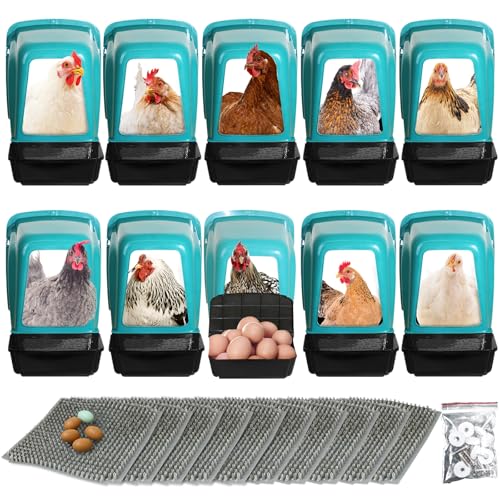 HOWUXZO 10-Pack Roll-Away Chicken Nesting Boxes9.5/10View on Amazon
- 2
 ZenxyHoC Chicken Nesting Box Red 3 Compartments Metal EggView on Amazon
- 3
 Chicken Nesting BoxView on Amazon
- 4
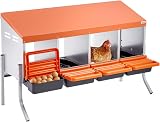 VEVOR Chicken Nesting BoxesView on Amazon
- 5
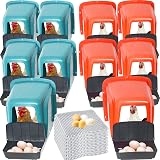 10‑Pack Chicken Nesting BoxesView on Amazon
- 6
 Redants Chicken Nesting BoxView on Amazon
- 7
 RentACoop Metal Chicken Nesting BoxView on Amazon
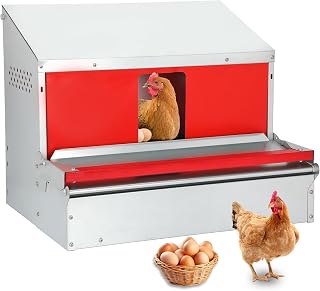
Evening egg collection tells you which kind of nesting box you have: with a rollaway, you lift a cover and gather clean eggs from a collection tray; with a standard box, you reach into the bedding where the hen left them. That is the whole of rollaway vs standard nesting box: a rollaway moves each egg away from the hen on a sloped floor into a covered tray, while a standard box keeps the egg in the nest until you collect it. Both get the job done; they differ in egg cleanliness, how much bedding they use and what they cost you in upkeep.
Other options for the coop
 ZenxyHoC Chicken Nesting Box Red 3 Compartments Metal EggCheck price on Amazon
 Chicken Nesting BoxCheck price on Amazon
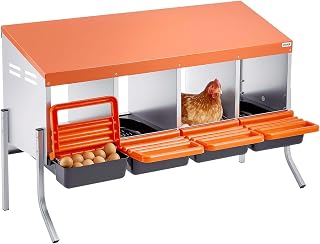 VEVOR Chicken Nesting BoxesCheck price on Amazon
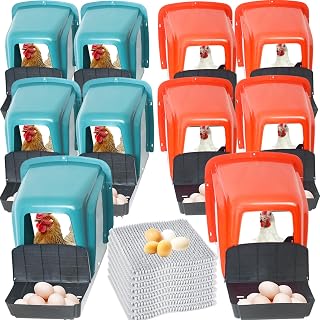 10‑Pack Chicken Nesting BoxesCheck price on Amazon
 Redants Chicken Nesting BoxCheck price on Amazon
 RentACoop Metal Chicken Nesting BoxCheck price on Amazon
CoopKeeperHQ earns a commission if you buy through our links, at no added cost to you. Affiliate disclosure.
Rollaway vs standard nesting box: how they differ
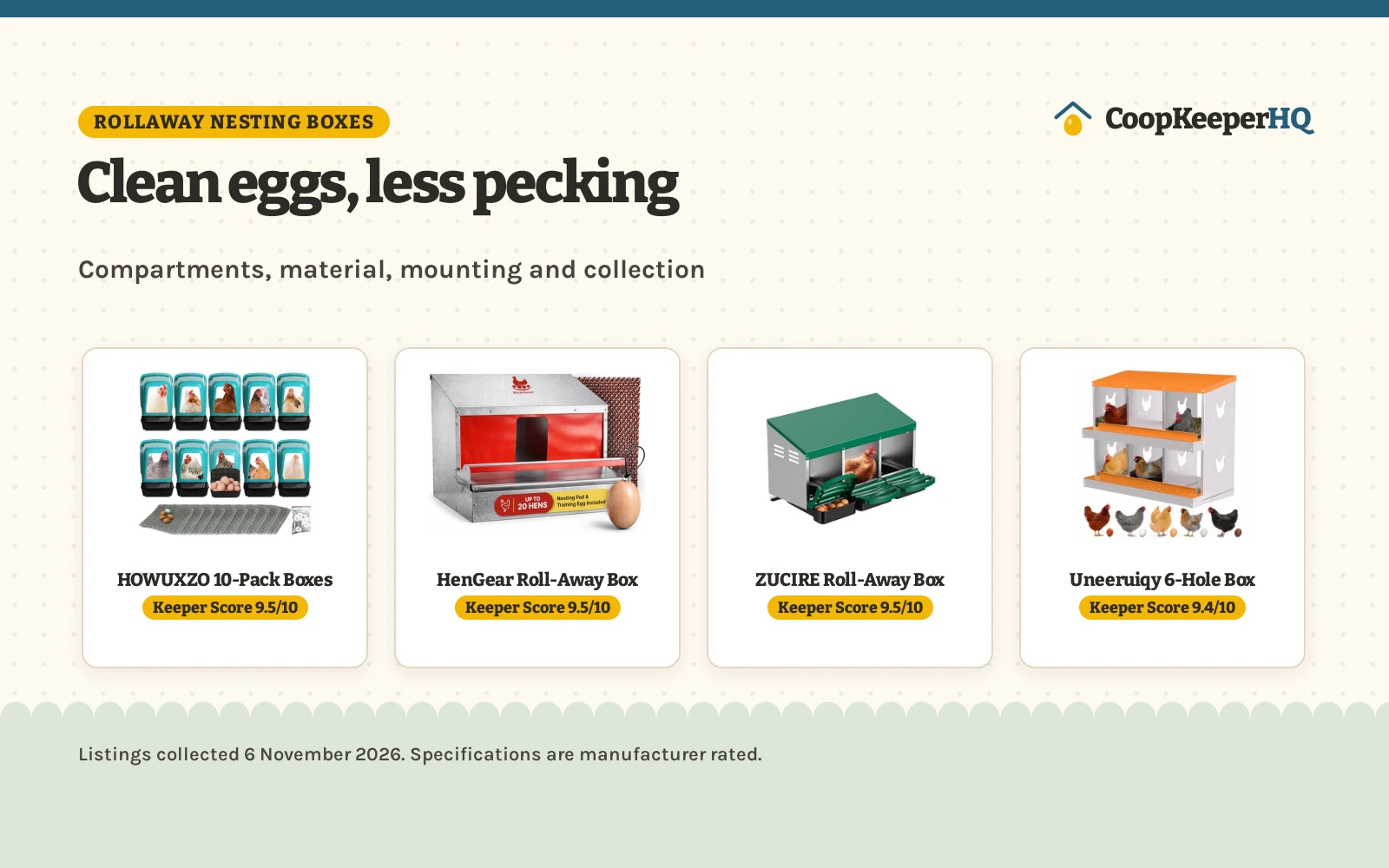
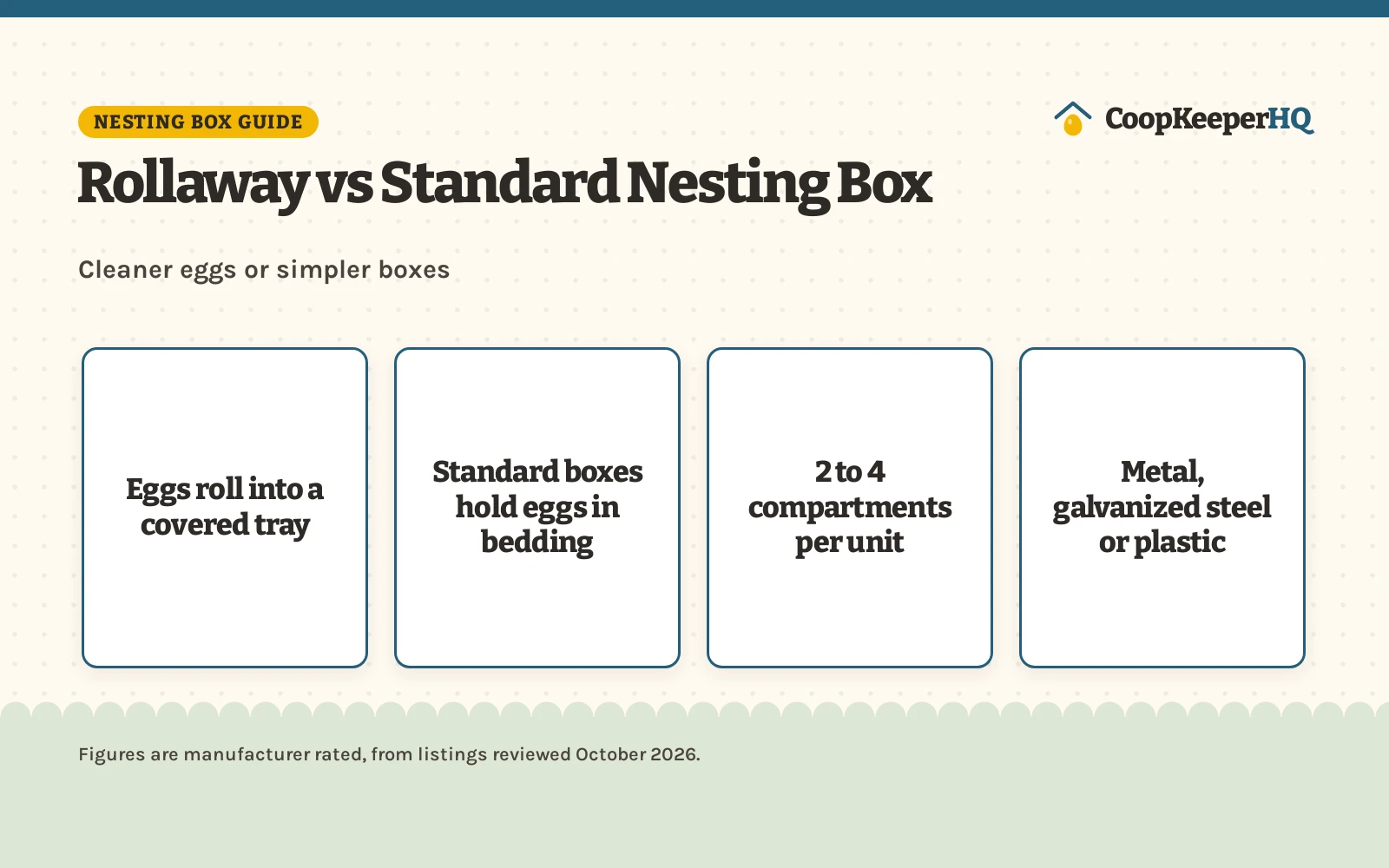
A standard nesting box is an open-front box with bedding inside. The hen lays, the egg rests in the bedding, and you collect it on your rounds. A rollaway box has a sloped floor: the moment the egg is laid, it rolls gently out of the nesting area into a covered collection tray the hens cannot reach. The listings call this rollout or roll-away collection, and the reference listings pair it with a hard body: galvanized steel, alloy steel or plain metal, sometimes with high-strength plastic parts; the HOLOLIJO 10-pack is plastic.
The practical difference is what happens between laying and collection. In a standard box the egg sits where hens walk, scratch and occasionally break an egg; in a rollaway it sits in a tray under a cover. That is why keepers with egg-eating hens or muddy runs start with rollaways.
Why keepers choose a rollaway
Cleaner eggs with less work is the pitch. Because the egg leaves the nest at once, it picks up less bedding, less mud from feet and less manure than an egg that waits in a standard box. A broken egg in a standard box soils the bedding and the remaining eggs; in a rollaway the intact eggs have already rolled away from the mess. Keepers who collect once a day, or who work away from home, get the most from this: the tray holds the morning’s eggs until the evening round.
Rollaways also suit larger flocks sharing fewer boxes. The reference listings run from 2-compartment units to 4-compartment units, plus a 10-pack of individual boxes, so a keeper can scale holes to flock size. The VEVOR 2-compartment unit, for example, measures 21.06 x 20.67 x 18.7 inches and weighs 13.7 pounds, while its 4-compartment sibling with support legs measures 41.73 x 20.67 x 26.57 inches at 27.1 pounds. Wall-mount models free up floor space; leg models stand on their own.
Why keepers stick with a standard box
A standard box is simpler, and simple breaks less. There is no sloped floor to keep at the right angle, no tray to align and no cover to rattle. Hens take to an open box with deep bedding at once, while some hens need a few days to trust a sloped floor. Bedding is the shock absorber in a standard box: a deep layer of shavings or straw cushions the egg, and our nesting box bedding guide compares the options. For a small backyard flock where you collect eggs morning and evening, a standard box gives you clean eggs with less hardware to maintain. See the nesting box guide for open picks.
What to check before you buy
Start with compartments. The reference listings offer 2, 3 and 4 compartments per unit, plus a 10-pack for big flocks. Match holes to your flock using our nesting boxes per chicken guide rather than guessing. Material next: galvanized steel resists rust in a damp coop, plain metal is lighter on the wallet, and high-strength plastic wipes clean. See plastic vs metal nesting boxes for the trade-offs.
Then mounting. Wall-mount units like the VEVOR 2-compartment hang off the coop wall and keep the floor clear; leg models like the VEVOR 4-compartment stand alone at 26.57 inches tall. Measure your coop before ordering: the ZenxyHoC 3-compartment box runs 31 x 20 x 20 inches and 21.5 pounds, the Filterhualv 2-hole 22 x 25.5 x 18.5 inches at 16.4 pounds, and the Filterhualv 4-hole 42 x 25.5 x 18 inches at 27.6 pounds. A 42-inch unit needs a long clear wall. Finally, check the tray: removable collection drawers, like those on the ZUCIRE 3-compartment, make tray cleaning a lift-out job.
Setting up either type
Place boxes lower than the roosts so hens sleep on the roost, not in the nests. Keep them out of direct rain and out of the windiest corner. For a rollaway, set the unit level side to side so eggs roll straight into the tray instead of piling in a corner, and check the slope the maker built in: too flat and eggs stay put, too steep and they crack against the tray. For a standard box, keep bedding deep and refresh the nest lining when it gets thin; nest pads are the low-maintenance alternative to loose bedding. Whichever type you run, collect daily: even a covered tray is not cold storage.
Wash your hands after handling birds, eggs or equipment, supervise children around the flock, and check local rules on flock size and roosters before you buy. For sick birds, call a poultry veterinarian or your state extension office. See CDC backyard poultry guidance. Read our Safety Disclaimer.
FAQ for the flock
Do rollaway boxes really keep eggs cleaner?
They keep eggs away from hens, bedding and manure between laying and collection, which is where most soiling happens. They do not wash eggs; a muddy hen can still dirty an egg on the way out.
Will my hens use a rollaway box?
Most hens adapt within a few days. Put the rollaway where the old box stood, keep a little bedding in the nest area to begin with, and give shy layers time before you judge it.
How many nesting boxes do I need?
Hens share boxes and rarely all lay at once, so you need fewer holes than hens. Work from your flock size and add a spare hole for busy mornings rather than a box per bird.
Can I use a rollaway box for ducks?
Ducks lay on the ground and rarely use raised boxes of either type. A rollaway designed for hens, with its sloped floor and tray, does not suit how ducks nest.
Do rollaway boxes need special bedding?
Less of it. The nest area still wants a thin layer for comfort and to slow the egg’s roll, but the tray itself needs none. Too much bedding in a rollaway can block the slope.
More coop guides
- Best Chicken Nesting Box: Roll-Away and Open Picks
- Best Chicken Nesting Box Under $60 (2026)
- How Many Nesting Boxes per Chicken? Sizes and Placement
- Plastic vs Metal Chicken Nesting Box: What the Listings State
- Single vs Multi-Hole Chicken Nesting Box: Which One Should You Buy?
- Nest Pads for Chicken Nesting Boxes: 5 Top Liners Compared (2026)
- Best Chicken Nesting Box for Broody Hens (2026): Low, Quiet Picks
Compare open and roll-away models in the nesting box guide, or size your setup with how many nesting boxes per chicken.