Plastic vs Metal Chicken Nesting Box: What the Listings State
Plastic vs metal chicken nesting box: what the plastic listings state about materials, cleaning and sizes, and what the makers claim about metal.

On this page
Top picks at a glance
As an Amazon Associate I earn from qualifying purchases.
- 1
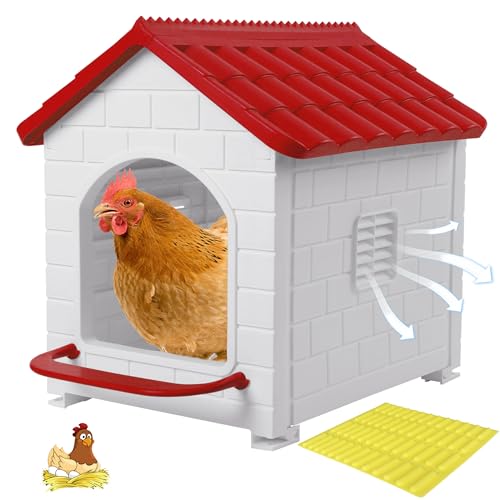 Deblue Plastic Single Compartment Chicken Nesting Box9.5/10View on Amazon
- 2
 Gush-Tuss Metal Front/Rear Roll Away Chicken Nesting Box9.7/10View on Amazon
- 3
 Rockever 3 Compartment Plastic Chicken Nesting Box9.5/10View on Amazon
- 4
 Little Giant Single Plastic Nesting Box Chicken Nest Box withView on Amazon
Egg round again, and the question is not whether the hens laid but what you are scrubbing afterward. That is where the plastic vs metal chicken nesting box debate lives: plastic boxes rinse clean and never rust, while metal boxes are the old standard the plastic makers keep comparing themselves against. The short answer from these listings: every box listed here is plastic, and the metal side comes only from what the plastic makers claim about it.
Other options for the coop
 Rockever Nesting Boxes for ChickensCheck price on Amazon
 Nesting Boxes for ChickenCheck price on Amazon
 Little Giant Single Plastic Nesting Box Chicken Nest Box withCheck price on Amazon
CoopKeeperHQ earns a commission if you buy through our links, at no added cost to you. Affiliate disclosure.
Plastic vs metal chicken nesting box: the short answer
A plastic nesting box is molded from polyethylene, polypropylene or ABS, and the listings sell it on washability: smooth surfaces that rinse clean, no rust, no rot. A metal nesting box, usually galvanized steel, is rigid and chew-proof but can corrode where the coating wears. None of the reference listings is a metal box, so this guide compares the plastic listings against the metal claims the plastic makers themselves make, and flags where those claims are just marketing.
What the plastic listings show
The plastics named are specific. Miller lists high density polyethylene on its 4-pack and polyethylene on its 2-pack, both at 16.5 by 15.88 by 19.75 inches and wall mounted to studs 16 inches on center, with the 4-pack weighing 15 pounds. Pitalok lists plastics at 15 by 12 by 17.5 inches and 5 pounds, wall or ground mounted, with a washable nesting pad and a 1 year warranty, and says its box assembles in 5 minutes with no screws or nuts. Meyoppm lists PP material on its 2-hole and 3-hole boxes with roll-away egg collection and ventilation holes: the 3-hole measures 34.2 by 20.1 by 18.3 inches at 9.9 pounds, the 2-hole 20.1 by 22.8 by 18.3 inches at 6.5 pounds. HOLOLIJO lists ABS plastic on its 10-pack with roll-out collection and stackable nests. Rockever lists thickened HDPE on its 3-compartment box at 41 by 20.8 by 20.3 inches and 25.75 pounds, with a removable roof. For how many holes a flock needs, see how many nesting boxes per chicken.
What the listings say about metal
Since no metal box is listed, the metal side comes from the plastic makers’ own comparisons. Pitalok claims its plastic is more durable and clean than metal nesting boxes and resists rust. HOWUXZO says its plastic resists cracking, rust and weather damage, unlike wooden boxes that absorb moisture or metal boxes that corrode. Rockever says its HDPE avoids the sharp edges it attributes to aluminum nesting boxes. Read all three as marketing: no listing here gives a metal box’s gauge, coating or lifespan to check those claims against. What is fair to take from them is the known weak point of metal: corrosion where the coating is scratched or worn. Note that “rust resistant” on a plastic listing like Miller’s is just marketing, since plastic cannot rust; the meaningful rust claims are the ones aimed at metal, like Pitalok’s and HOWUXZO’s.
Cleaning and weather
Cleaning is where the plastic listings make their case with specifics. Miller calls its boxes washable. Pitalok includes a washable nesting pad and says the plastic suits humid conditions and water exposure. Meyoppm says its PP boxes can be washed repeatedly, with ventilation holes that let residue discharge. HOWUXZO says the smooth plastic interior rinses with water or wipes clean. Rockever’s roof removes for cleaning with a cloth or hose, and the box is listed as waterproof. On weather, the listings claim resistance to rust, rot and corrosion across the board, and Rockever says the waterproof roof shields against rain, wind and snow. A metal box needs its coating intact to match that; the listings give no metal maintenance routine to compare.
Sizing, mounting and the flock
Mounting is straightforward in these listings: the Miller boxes wall mount to studs 16 inches on center, the Pitalok mounts on wall or ground, the Meyoppm boxes hang from holes on the back, and the Rockever sits as a 41-inch bank. Single boxes in these listings run roughly 15 to 20 inches long, from the Pitalok at 15 by 12 inches to the HOWUXZO at 20.47 by 14.76 inches, while the multi-hole banks run 34.2 to 41 inches long. The Meyoppm boxes assemble their compartments in any combination for multiple hens, and the HOLOLIJO 10-pack stacks to save coop space.
Birds, breed size, run time and climate in; coop floor, run space, roost length and nesting boxes out.
Listing quirks to check before you buy
Count the boxes before you count on the price. The HOWUXZO title says 10 Pack while the spec table says 6 boxes and 6 pads. The HOLOLIJO title says 10-pack, the spec table says pack quantity 12, and the number of items row says 10. The Pitalok spec table has a stray unit count row reading 20 Feet. The Meyoppm 2-hole lists 6.5 pounds in one row and 2.95 kg in another, which agree with each other, so that one is fine. Confirm pack counts with the seller before ordering.
Wash your hands after handling birds, eggs or equipment, supervise children around the flock, and check local rules on flock size and roosters before you buy. For sick birds, call a poultry veterinarian or your state extension office. See CDC backyard poultry guidance. Read our Safety Disclaimer.
FAQ for the flock
Is plastic or metal better for a chicken nesting box?
The listings here are all plastic and sell washability and rust resistance: Miller states rust resistant, Pitalok claims more durable and clean than metal, and Rockever claims no sharp edges versus aluminum. No metal box is listed to check those claims against, so treat the metal side as marketing until you compare a real metal listing.
Do plastic nesting boxes last outdoors?
The listings claim so: Pitalok says its plastic resists the elements, HOWUXZO claims resistance to cracking, rust and weather damage, and Rockever lists indoor and outdoor use with a waterproof roof. Pitalok also states a 1 year warranty.
How do you clean a plastic nesting box?
The listings describe rinsing with water or wiping clean: Miller calls its boxes washable, Meyoppm says its PP boxes can be washed repeatedly, and Rockever’s roof removes for a cloth or hose. The Meyoppm ventilation holes are listed as letting residue discharge.
How many boxes come in a multi-pack?
Check the listing, not just the title. The HOWUXZO title says 10 Pack against 6 boxes in the spec table, and the HOLOLIJO rows say 10, 12 and 10 in different places. The Miller 4-pack and 2-pack and the Pitalok 2-pack are consistent.
Can these boxes sit on the ground?
The Pitalok lists wall or ground mounting. The rest are wall-mount designs: Miller to studs 16 inches on center, Meyoppm on hanging holes, and the Rockever as a freestanding bank.
More coop guides
- How Many Nesting Boxes per Chicken? Sizes and Placement
- Plastic vs Wood Chicken Coop: Which Lasts and Cleans Better?
- Best Chicken Coop Bedding for Deep Litter (2026): 4 Top Picks
- Chicken Coop Ventilation: How Much and Where
See the coop supply guides and our plastic vs wood comparison for the wider material debate.