Solar vs Battery Fence Charger: Which One Should You Buy?
Solar vs battery fence charger answered: when solar wins, when a plain battery unit works, and four solar charger listings compared by joules, miles and warranty.

On this page
Top picks at a glance
As an Amazon Associate I earn from qualifying purchases.
- 1
 Solar Electric Fence Charger9.6/10View on Amazon
- 2
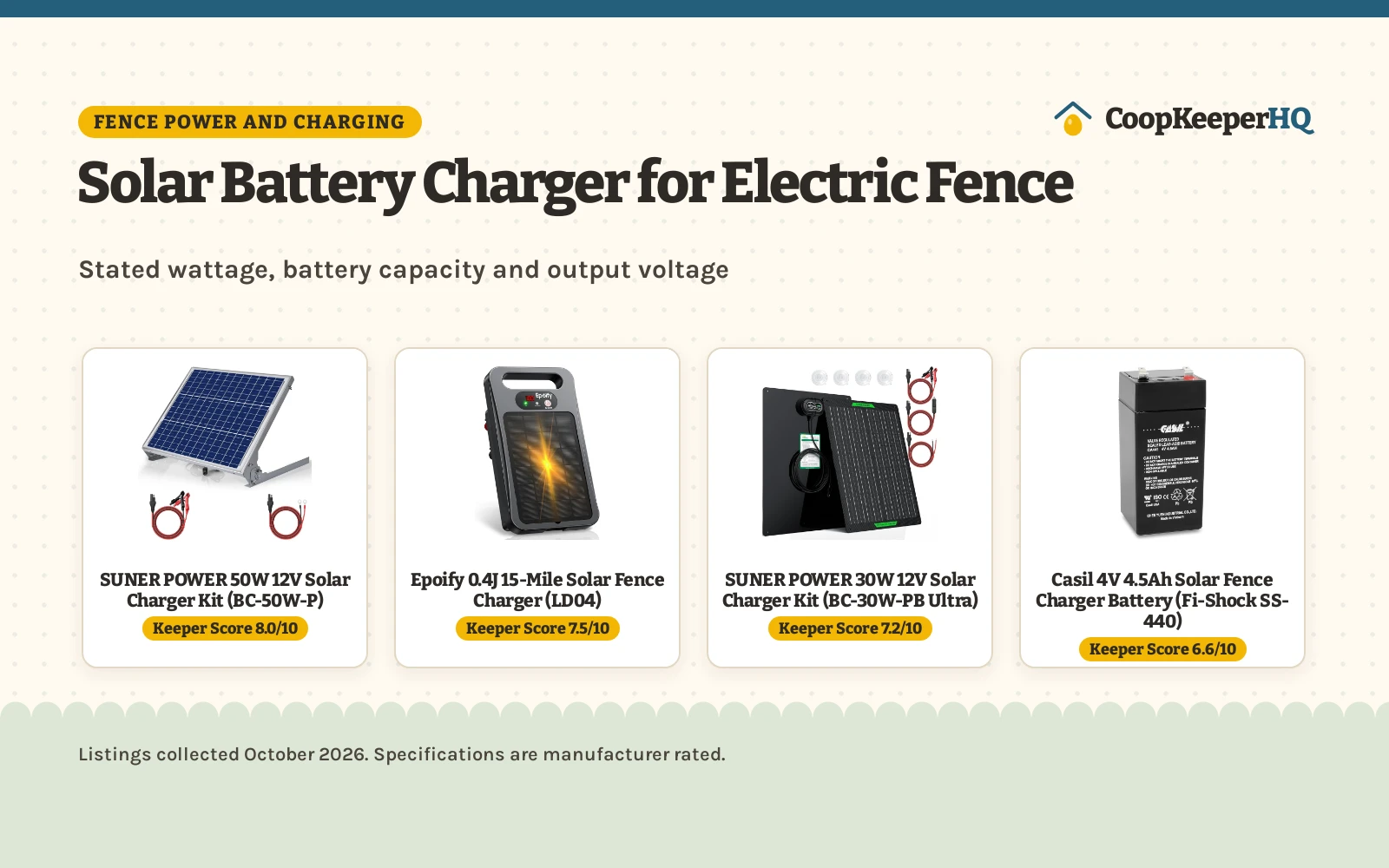
 SUNER POWER 50W 12V Solar Battery Charger Maintainer with9.6/10View on Amazon
- 3
 Epoify 0.4J 15-Mile Solar Fence Energizer with Battery9.5/10View on Amazon
- 4
 Parmak Magnum Solar-Pak 12 Low Impedance 12 Volt BatteryView on Amazon
- 5
 24-Hour Solar Electric Fence ChargerView on Amazon
- 6
 Gallagher S12 0.12J Solar Electric Fence ChargerView on Amazon
- 7
 Solar Electric Fence Charger 10 MilesView on Amazon
- 8
 Solar Electric Fence Charger 5 Miles Range 20 Acres 0.15View on Amazon
- 9
 Solar Electric Fence ChargerView on Amazon
Solar vs battery fence charger is a simpler choice than it sounds: a solar charger is a battery charger with a solar panel built in. Pick solar when the fence line sits far from an outlet, and pick a plain battery unit only if you can recharge it regularly at the house. The four listings we read are all solar models, which tells you where backyard flock keepers land on this question.
Other options for the coop
 Parmak Magnum Solar-Pak 12 Low Impedance 12 Volt BatteryCheck price on Amazon
 24-Hour Solar Electric Fence ChargerCheck price on Amazon
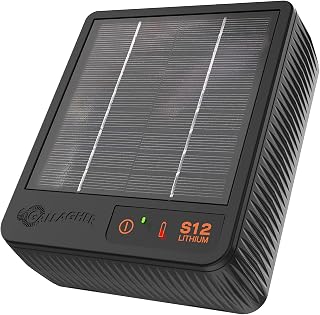 Gallagher S12 0.12J Solar Electric Fence ChargerCheck price on Amazon
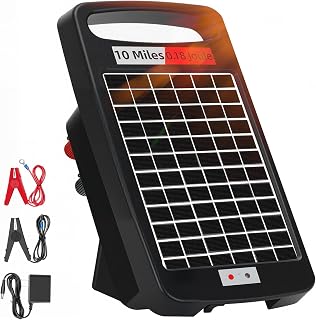 Solar Electric Fence Charger 10 MilesCheck price on Amazon
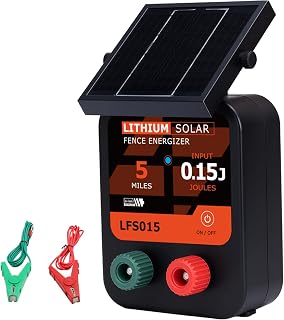 Solar Electric Fence Charger 5 Miles Range 20 Acres 0.15Check price on Amazon
 Solar Electric Fence ChargerCheck price on Amazon
CoopKeeperHQ earns a commission if you buy through our links, at no added cost to you. Affiliate disclosure.
Solar vs battery fence charger: the short answer
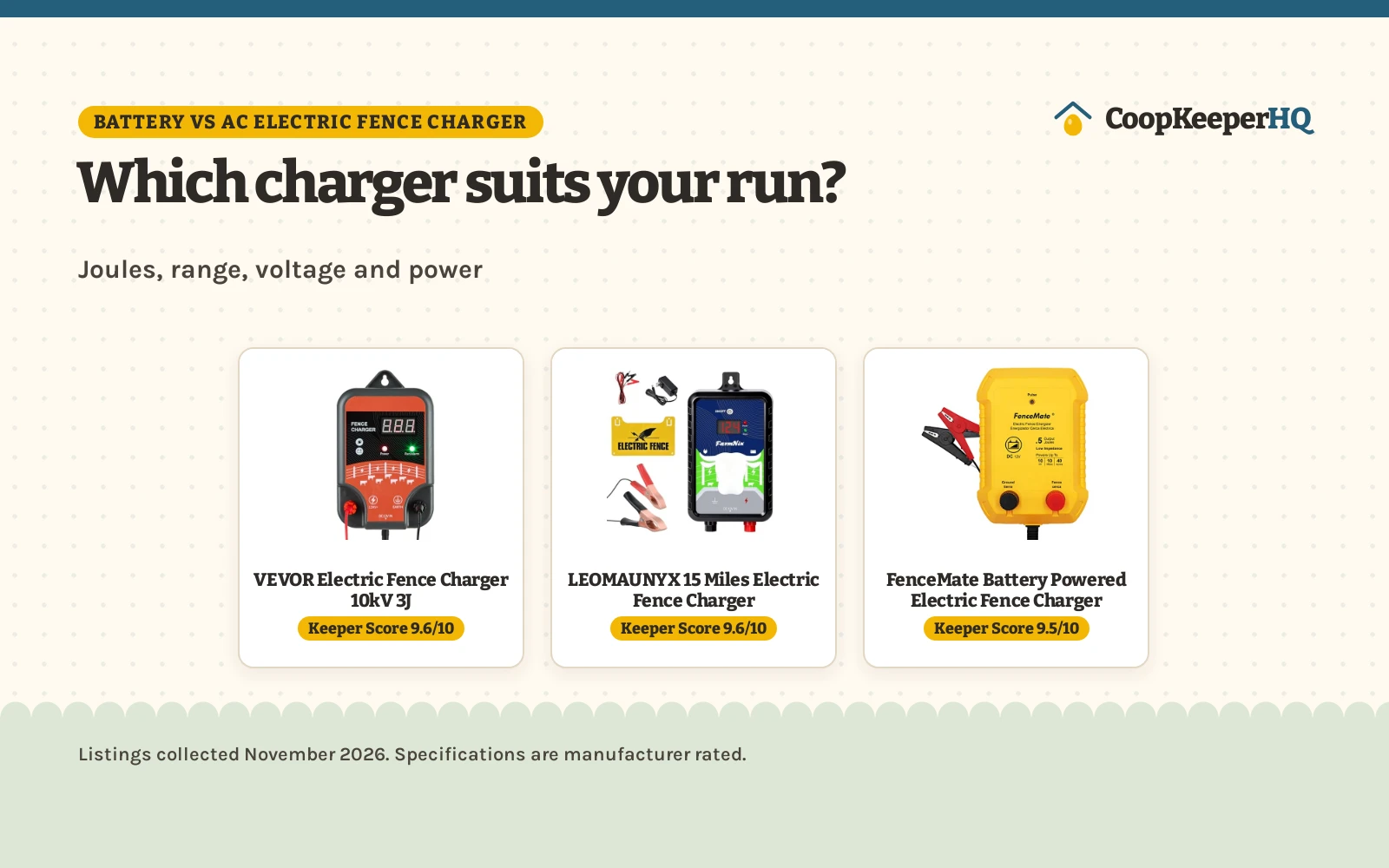
A battery fence charger stores power in a battery you charge from the mains and carry back out. A solar fence charger does the same job with a panel on top that refills the battery during the day, so it can run day and night without you hauling batteries. The trade is sun dependence: solar units need the panel facing full sun, while a battery unit is simpler but asks for a charging routine.
When solar wins
Solar wins when the fence is far from the coop’s outlets, when you run a temporary paddock or poultry netting that moves with the flock, and when you want the fence hot during a week away without a charging plan. The Gallagher S6 listing states up to 3 weeks of operation without sunlight on its lithium battery, which is the kind of buffer solar keeps topped up.
When a plain battery unit makes sense
A plain battery charger suits a small run right next to the coop where you can swap or recharge the battery easily, or a budget setup where the solar panel’s extra cost buys nothing you need. The lithium vs lead acid fence battery comparison covers the battery choice itself.
The gear: four solar chargers compared
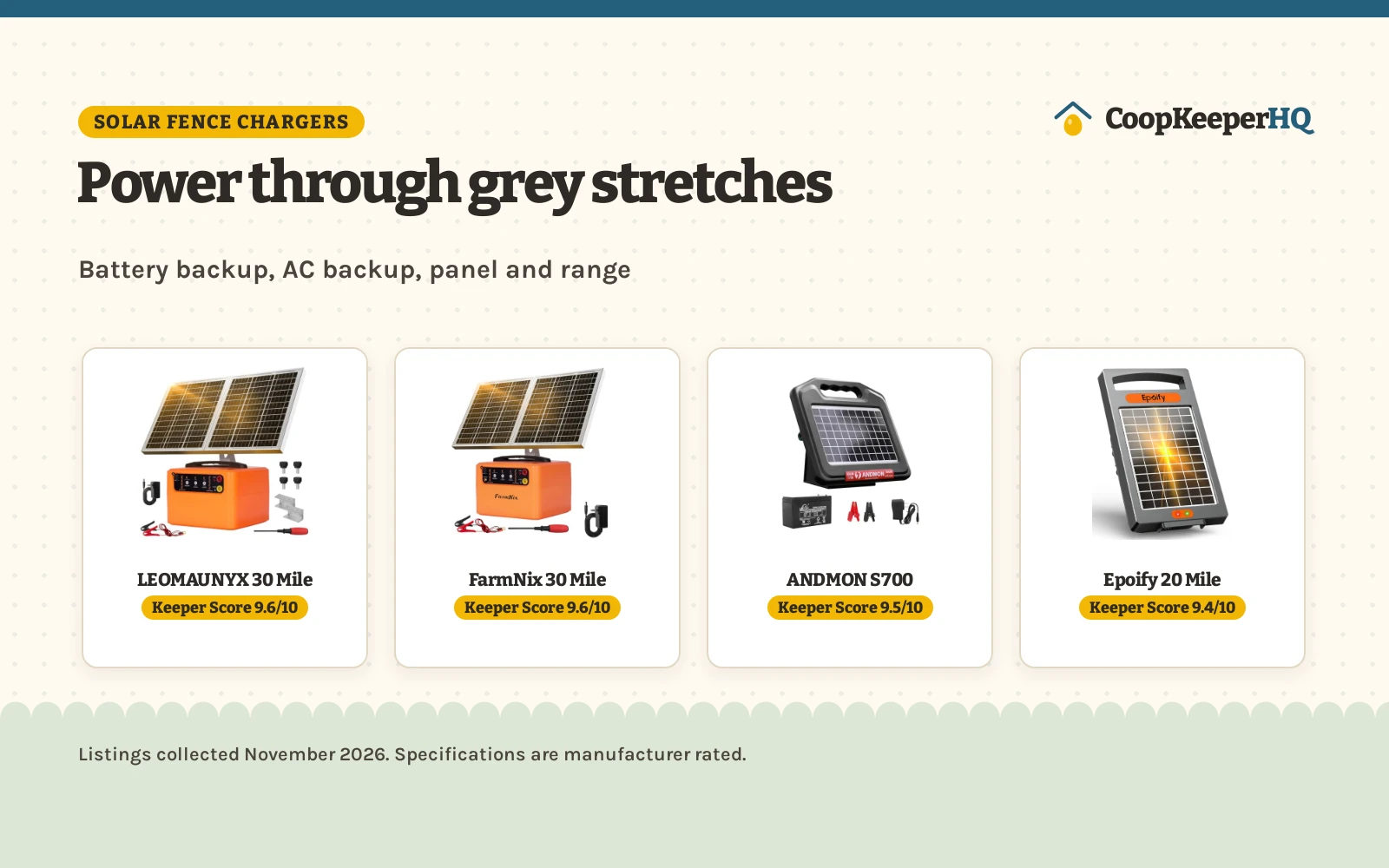
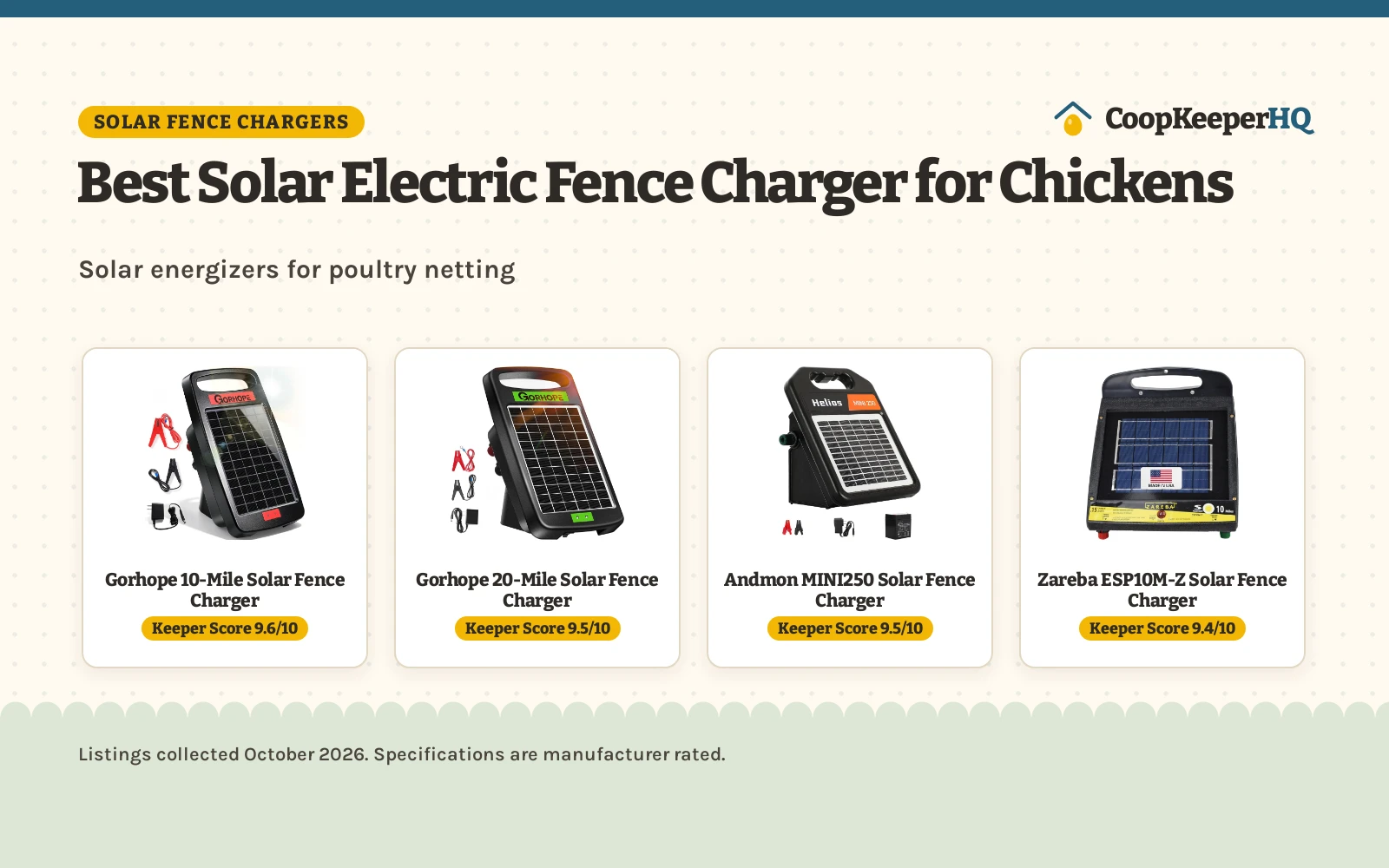
All four listings are solar chargers, and they span the range a flock keeper meets. The Epoify unit is the power pick: 0.32 joules, up to 20 miles of fence, 5700 to 10200V pulse output and solar plus AC dual power in an all-in-one box. The Gallagher S12 sits in the middle at 0.12 joules with up to 4 miles of single-wire fence in ideal conditions, a long-life lithium battery and a 3-year manufacturer warranty. The Gallagher S6 is the compact chicken-and-garden choice at 0.06 joules and up to 0.74 miles, with the same 3-year warranty and a lithium iron phosphate battery. The BEIYI states 0.15 stored joules over up to 5 miles or 20 acres with a 1.8W panel, but its listing calls the product three different names, BEIYI, Lydite and Dariux, so buy with your eyes open.
Match joules and miles to your fence
Listings here state 0.06, 0.12, 0.15 and 0.32 joules, covering 0.74 to 20 miles. More wire and more vegetation need more joules, and the Gallagher S12 listing warns that stubbon animals or long multi-wire fences need a higher-powered model. Size the charger to the fence you will actually build, and read the best electric fence charger for large property guide if your run is bigger than a backyard.
Sun, panel angle and first charge
The Gallagher S12 listing says to place the unit in direct sun for 2 to 3 days before first use, then keep the panel facing full sunlight for consistent day to day power. Face the panel toward the sun, keep it out of the coop’s shadow, and wipe dust off a few times a season. Shade from a fence post or a tree branch quietly ruins a solar charger’s week.
Grounding matters more than the panel
Both Gallagher listings mount directly on an unpainted grounding rod up to 0.5 inch diameter, driven at least 18 inches into soil, deeper in dry or sandy areas, and use the rod as both mount and ground. A fence charger is only as good as its ground, so drive the rod deep, keep vegetation off the wire and check connections after storms.
Fitting it to your flock
- Chickens and a garden fence: the compact Gallagher S6 class, 0.06 joules, is aimed at this job.
- Goats and small pastures: the Gallagher S12 class, 0.12 joules and up to 4 miles single wire, fits.
- Larger paddocks with predators: the Epoify class, 0.32 joules and 20 miles, covers more wire.
- Netting runs: see the electric netting vs polywire comparison to match charger to wire type.
Warranty and support
The listings give you a read on support quality. Gallagher states a 3-year manufacturer warranty and US-based support on both the S12 and S6, and its bullets draw a line between its own components and cheaper import brands. The BEIYI listing states a 1-year warranty, and its after-sales paragraph names a different brand than the title, which is worth noticing before you buy. A fence charger lives outdoors in rain and sun, so a stated warranty term and a maker you can reach matter more here than on indoor gear.
Portability for rotating pasture
The Epoify listing calls its unit portable and aims it at temporary fencing, seasonal grazing, paddocks and changing pasture boundaries, where the fence line moves with the animals. A solar charger fits this life because it needs no trench for a power cable: you move the fence, you move the charger, and it charges itself each day. If you rotate a flock across a yard or a small pasture, solar is the setup that follows the animals.
Wash your hands after handling birds, eggs or equipment, supervise children around the flock, and check local rules on flock size and roosters before you buy. For sick birds, call a poultry veterinarian or your state extension office. See CDC backyard poultry guidance. Read our Safety Disclaimer.
FAQ for the flock
Do solar fence chargers work in winter?
They keep working as long as the panel gets sun and the battery stays charged. The Gallagher S6 listing states up to 3 weeks of operation without sunlight, and snow on the panel is the main thing to clear. Face the panel south and keep it clear of drifts.
Is 0.06 joules enough for chickens?
The Gallagher S6 listing aims its 0.06 joule unit at gardens, chicken coops, goat pens and pet enclosures. For stubborn predators or longer multi-wire fences, the listings say to choose a higher-powered model.
How long do the batteries last?
The listings state long-life lithium batteries, with the S6 using lithium iron phosphate chemistry stated as resistant to overheating. Gallagher backs its units with a 3-year warranty; the BEIYI listing states a 1-year warranty.
Can I mount a solar charger on a T-post?
The Gallagher S6 listing says it mounts on a grounding rod and does not mount to T-posts. The BEIYI listing says it mounts on any suitable steel rod. Follow each listing’s mounting rules.
More coop guides
- Electric Netting vs Polywire: Which One Should You Buy?
- Lithium vs Lead Acid Fence Battery: Which One Should You Buy?
- Best Electric Fence Charger for Large Property (2026): 5 Compared
- Best Electric Fence Charger for Foxes (2026): 5 Compared
- Electric Poultry Netting vs Permanent Fence: Which One Should You Buy?
See the electric netting vs polywire comparison and the chicken runs and fencing hub.