Treadle vs Gravity Chicken Feeder: Which Wastes Less?
Comparing treadle and gravity chicken feeders on feed waste, rodent resistance, flock training and weather protection to find the right fit for your flock.

On this page
Top picks at a glance
As an Amazon Associate I earn from qualifying purchases.
- 1
 MUDUOBAN stainless treadle feeder9.6/10View on Amazon
- 2
 RentACoop Automatic Treadle Chicken FeederView on Amazon
- 3
 XINYI Chicken Treadle FeederView on Amazon
- 4
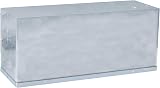 RentACoop Treadle Feeder ExtensionView on Amazon
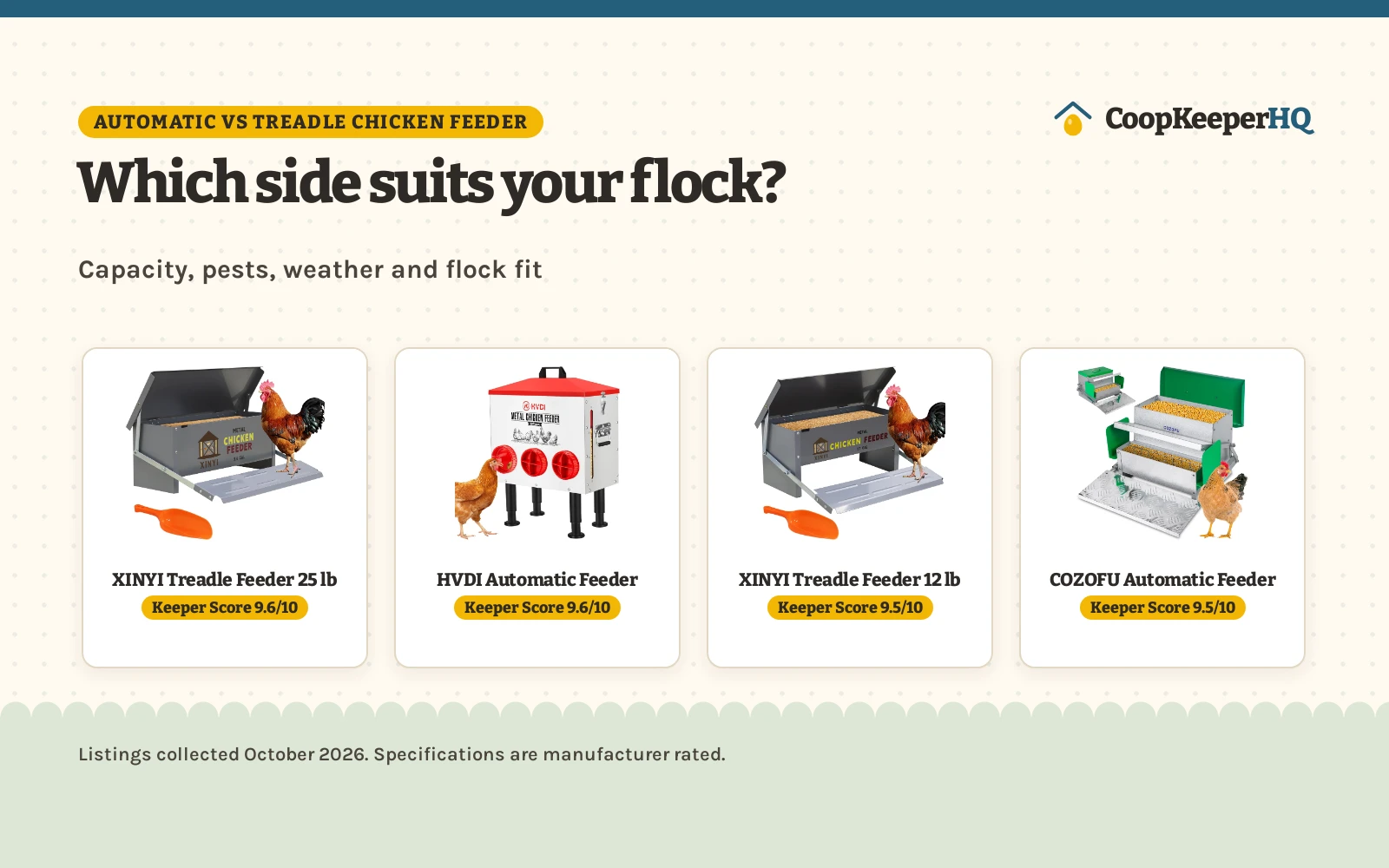
Every morning chore starts the same way: walking out to the run with a feed scoop only to find yesterday’s ration kicked across the dirt and wild sparrows in the trough. Choosing between a treadle vs gravity chicken feeder comes down to stopping spilled feed and keeping pests away. A treadle feeder wastes significantly less feed than a gravity feeder because the trough stays covered between visits, while internal grates restrict billing out and keep pests out of the hopper.
Other options for the coop
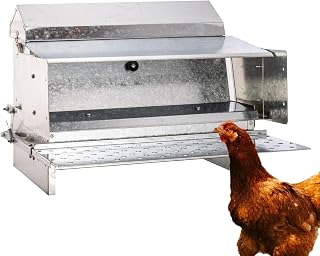 RentACoop Automatic Treadle Chicken FeederCheck price on Amazon
 Chicken Feeder No Waste Rat Proof Automatic Treadle Feeder 15Check price on Amazon
 XINYI Chicken Treadle FeederCheck price on Amazon
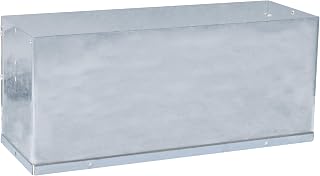 RentACoop Treadle Feeder ExtensionCheck price on Amazon
CoopKeeperHQ earns a commission if you buy through our links, at no added cost to you. Affiliate disclosure.
Treadle vs gravity chicken feeder: how each design works
Understanding the mechanical difference between both feeder styles explains why they perform differently. A treadle feeder relies on a balanced step plate connected to a hinged lid. When a hen steps onto the treadle, her body weight pushes the pedal down, lifting the lid to reveal the trough. Once she steps off, the counterweight swings the cover shut, keeping feed enclosed whenever birds are not actively eating.
A gravity chicken feeder operates without moving linkages. Feed sits inside a hopper and flows downward by gravity into feeding ports or an open pan below. As flock members peck at feed at the bottom, fresh pellets drop down to take its place, providing constant access throughout the day without mechanical action.
Why chickens waste feed: billing out and scratching
Chickens possess a natural feeding instinct called billing out: sweeping their beaks from side to side through loose feed to search for preferred bits. In an open trough or shallow pan, this rapid motion flings feed over the rim onto the ground, where dirt, litter, and droppings quickly spoil it.
Treadle feeders counteract billing out with deep troughs and internal anti-flick grates. Standing on the pedal positions the bird close to the feed, and internal grates stop hens from raking crumbles sideways. Gravity feeders with open pans offer little resistance to billing out, allowing active birds to scatter feed into the bedding. Gravity units with recessed elbow ports reduce spillage, though birds can still flick feed forward if ports lack interior lips.
Treadle feeder pros and cons
Weighing treadle feeder pros and cons helps keepers decide whether a mechanical unit fits their flock routine. The main advantage is feed protection: because the trough stays shut until activated, wild birds and small rodents cannot steal feed or soil rations. The sealed lid also keeps blowing rain off pellets in the run.
The trade-offs involve flock training, mechanical upkeep, and equipment weight. Birds require a brief training period to learn the step, and moving pivot points can collect debris. Many heavy-duty models feature substantial metal construction: RentACoop lists a 25 lb capacity treadle feeder weighing 23 pounds, as well as a 40 lb capacity model weighing 27.6 pounds, made with galvanized bodies and stainless-steel hardware. Compact designs like the MUDUOBAN metal treadle feeder list a 15 lb capacity suitable for birds weighing over 1.45 lbs. These durable materials resist weather, though treadles require level ground or a paver to operate reliably.
Gravity feeder pros and cons
Gravity feeders remain popular because they are simple, reliable, and require zero flock training. Pullets, hens, and timid birds understand them immediately because feed is always accessible. With no moving linkages or counterweights, gravity hoppers have no mechanical parts to jam or wear out.
The drawback is continuous feed access. Open troughs invite sparrows, mice, and rats to feast unchecked in outdoor runs, and pests can crawl into ports overnight. For larger flocks, manufacturers produce high capacities: Dogetgd lists an 85 lb capacity metal gravity feeder featuring 6 ports, while BUYYAH lists a 100 lb capacity galvanized metal feeder with a waterproof lid. These large bins reduce refilling chores, but open-access feed requires vigilant pest control around the coop.
Hanging feeder vs treadle
When comparing a hanging feeder vs treadle setup, keepers evaluate how elevation impacts mess and pest access. Suspending a gravity hopper creates a hanging chicken feeder that raises the trough to back height, keeping birds from scratching litter into the pan and discouraging crawling insects.
However, hanging hoppers swing when jostled by eager hens, spilling pellets onto the ground. Hanging also fails to stop rodents or birds: mice climb down cords easily, and sparrows perch on the rim. In contrast, a treadle feeder sits firmly anchored on the ground. Because the lid stays closed between visits, swinging spills are eliminated and pests find no exposed food.
Pest and rodent protection
Rodents and wild birds consume costly feed, chew coop structures, and introduce mites and pathogens into bedding.
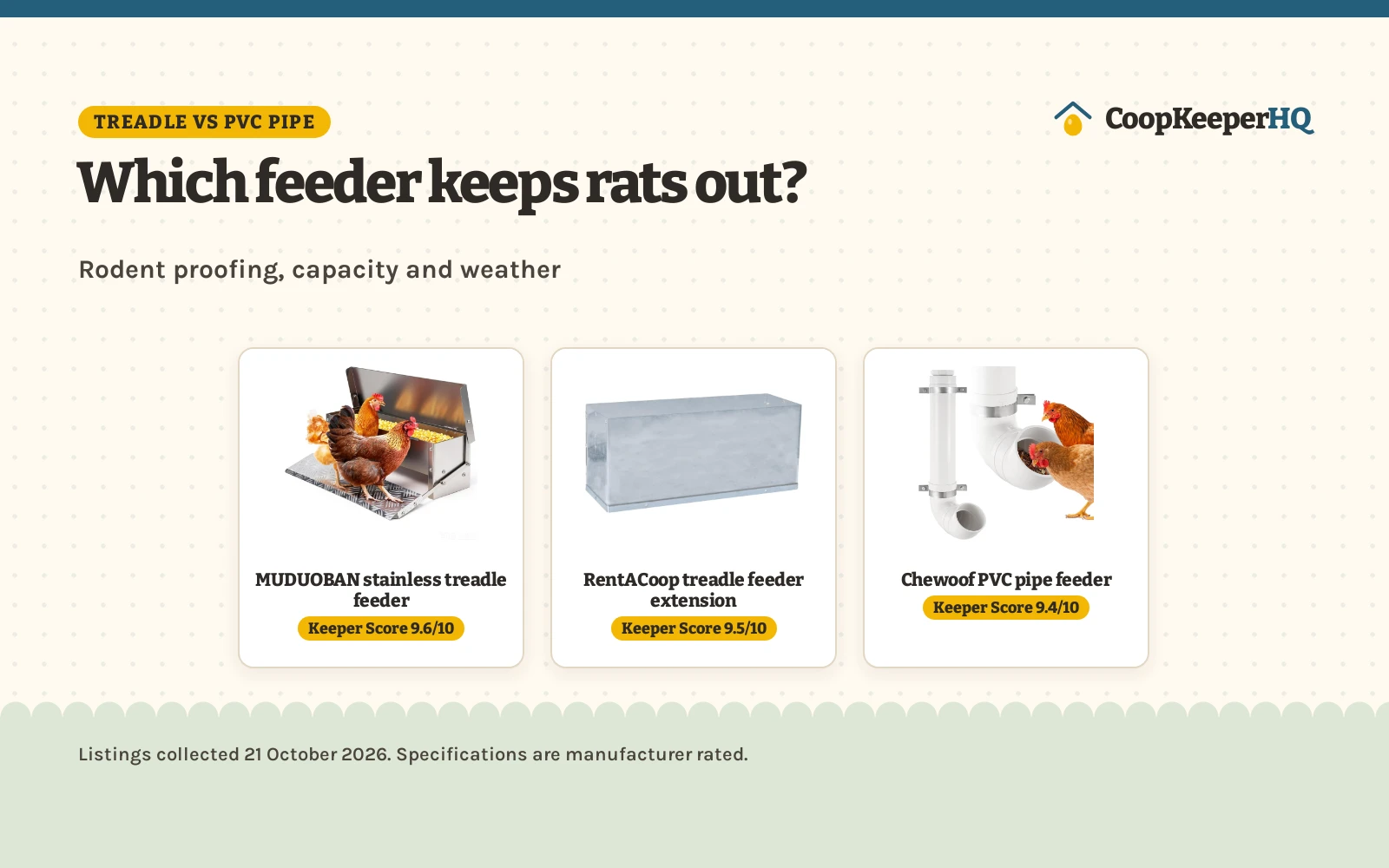
A treadle feeder provides an active barrier because small birds and mice lack the weight needed to depress the pedal, keeping rations covered. While large rats can challenge lightweight pedals, treadles sharply reduce exposure compared to open troughs. For night defense, models like the RentACoop treadle feeder include an optional step lock to fasten the pedal shut against nocturnal pests. Gravity feeders lack mechanical barriers; even port dispensers must be capped or brought indoors at dusk to keep rodents out.
Weatherproofing and outdoor run use
Keeping feed dry in outdoor runs preserves quality and prevents mold. Rain quickly turns crumble into sour mush that clogs feeders and attracts flies.
Treadle feeders excel in uncovered runs because the closed lid shields grain from driving rain, while models with rain hoods protect feed during visits. For outdoor runs, pairing a durable setup with tips from our outdoor chicken feeder guide keeps feed sheltered across wet seasons. Gravity feeders outdoors require protective port hoods or covered roofing, as open pans catch rain and spoil feed quickly.
Training your flock to use a treadle feeder
Chickens can be wary of moving equipment beneath their feet, but training them follows a simple progression using natural flock curiosity.
Start by propping the treadle lid fully open with a block or wire. Place the feeder where birds normally eat and scatter scratch on the step and inside the trough. Let the flock eat from the open trough for several days until comfortable. Next, lower the lid halfway so birds nudge it while stepping on the plate. Finally, remove the prop completely. Once a confident hen triggers the pedal, others quickly imitate her. Remove other feed dishes during training so the flock focuses on the new feeder.
Choosing the right capacity for your flock
Matching capacity to flock size determines refilling frequency. Compact hoppers keep rations fresh for small flocks, while large bins reduce chore frequency for bigger groups.
Manufacturer ratings provide useful reference points. For small to medium flocks, COZOFU states a 25 lb feed capacity designed to sustain 6-12 chickens for approximately 10 days. Larger flocks benefit from bulk dispensers like the Dogetgd 85 lb model to cut refill trips. If your primary goal is eliminating spilled grain, our guide to the best chicken feeder no waste options compares designs that keep feed off the run floor.
Feeder comparison checklist
Use this quick checklist to pick the right design for your setup:
- Choose a treadle feeder if rodents or wild birds visit your run
- Choose a treadle feeder if your flock bills out feed onto the ground
- Choose a treadle feeder if the feeding station sits in an uncovered, rain-exposed run
- Choose a gravity feeder if you want simple gear with zero flock training
- Choose a gravity feeder if your feeding station is sheltered and pest pressure is low
- Choose a gravity feeder for waterfowl or mixed flocks that cannot operate foot pedals
How much feed your flock eats a day and a month, how long a bag lasts, and what it costs.
Wash your hands after handling birds, eggs or equipment, supervise children around the flock, and check local rules on flock size and roosters before you buy. For sick birds, call a poultry veterinarian or your state extension office. See CDC backyard poultry guidance. Read our Safety Disclaimer.
FAQ for the flock
Can small chickens and bantams open a treadle feeder?
Smaller breeds like bantams and silkies may lack the weight to depress standard step plates. Some models, including the RentACoop treadle feeder, feature a detachable step weight to let lighter birds trigger the pedal. For standard pedals, keepers can add a small temporary weight while smaller birds feed.
Do rats chew through gravity chicken feeders?
Rats and mice easily gnaw through plastic hoppers, PVC pipes, and rubber port seals. Metal gravity feeders resist chewing, but open ports leave grain exposed whenever accessible. Treadle feeders offer better defense because heavy metal lids seal the trough shut whenever birds step off.
How long does it take chickens to learn a treadle feeder?
Learning times depend on flock curiosity and age. Confident hens often figure out the pedal in a few days, while timid birds take longer. Propping the lid open initially lets birds learn where feed is before introducing the moving step.
Will ducks and other poultry use a treadle feeder?
Ducks, turkeys, and guinea fowl can use treadles, but wide duck bills make eating from narrow grates difficult. Waterfowl also carry wet mud that can cake the trough or jam pivot joints. Mixed flocks often do better with wide gravity ports or open troughs.
Can a treadle feeder injure a chicken?
Well-designed treadles use balanced counterweights rather than snap springs, so lids close gently when birds step off. Side safety blinders, like those on RentACoop models, keep other hens from sneaking in from the side while a bird feeds.
More coop guides
- Best Chicken Feeder No Waste: Picks That Save Feed
- Best Hanging Chicken Feeder (2026): 5 Top Picks Compared
- Best Outdoor Chicken Feeder (2026): 5 Weatherproof Picks
See our chicken feeder types guide and our chicken feeder ideas for more coop setups.