Concrete vs Gravel Chicken Run: Which One Should You Buy?
Gravel drains fast and is easy to rake and top up, while a concrete slab is harder wearing and simpler to hose down, and either floor suits a covered, anchored run.


On this page
Top picks at a glance
As an Amazon Associate I earn from qualifying purchases.
- 1
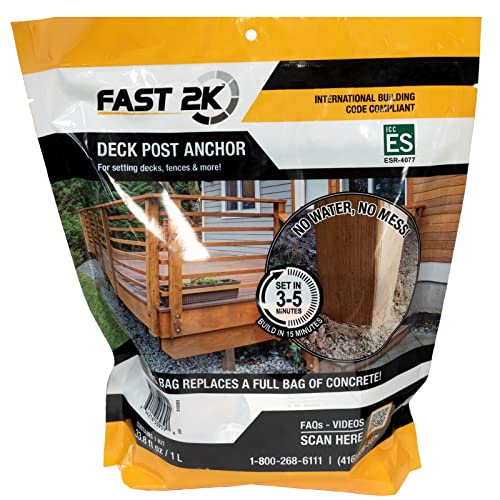 Fast 2K Deck Post Mix Expanding Foam Concrete Alternative9.6/10View on Amazon
- 2
 Sun Joe Chicken Coop Sand9.6/10View on Amazon
- 3
 Trixie Natura Chicken Outdoor Run with Mesh-Covered TopView on Amazon
- 4
 NUGRIART Metal Chicken Coop with RunView on Amazon
- 5
 Ketive 116" L Large Chicken Coop with Run for 4-6 ChickensView on Amazon
- 6
 Petsfit Outdoor Chicken Coop with Run for 4-6 ChickensView on Amazon
- 7
 GOJOOASIS 40" Wooden Chicken Run Coop Outdoor Hen HouseView on Amazon
- 8
 55ft² Extra Large Chicken Coop with RunView on Amazon
For most backyard keepers, gravel is the friendlier chicken run floor: it drains fast after rain and is easy to rake or top up. Concrete is the cleaner, harder-wearing choice when your run already sits on a slab, since it hoses down and stops digging in. The concrete vs gravel chicken run question really comes down to what is already under your feet and how much water your yard sees.
Other options for the coop
 Trixie Natura Chicken Outdoor Run with Mesh-Covered TopCheck price on Amazon
 NUGRIART Metal Chicken Coop with RunCheck price on Amazon
 Ketive 116" L Large Chicken Coop with Run for 4-6 ChickensCheck price on Amazon
 Petsfit Outdoor Chicken Coop with Run for 4-6 ChickensCheck price on Amazon
 GOJOOASIS 40" Wooden Chicken Run Coop Outdoor Hen HouseCheck price on Amazon
 55ft² Extra Large Chicken Coop with RunCheck price on Amazon
CoopKeeperHQ earns a commission if you buy through our links, at no added cost to you. Affiliate disclosure.
Concrete vs gravel chicken run: the short answer
Pick gravel if you are building the run from scratch and want drainage with forgiving footing. Pick concrete if you already have a slab, want the easiest cleaning routine, or want a floor nothing can dig under. Both work when the run itself is sound: roofed or covered for wet weather, anchored so wind cannot shift it, and sized to your flock.
What a concrete run floor gives you
Concrete is the simplest floor to keep clean. Droppings scrape up, the whole surface hoses down, and there is nowhere for a digging predator to start. If your run frame already stands on a patio or old foundation, concrete costs you nothing extra and you skip the whole question of edging and settling.
The trade is that concrete holds water on its surface, so the run needs a slope or a drain path to shed rain, and a covered top keeps the floor drier in wet weather. On bare concrete the birds have no ground to scratch, so they need deep bedding or a soil box where they can do their scratching and dust-bathing. Our chicken run flooring guide compares covering options for hard floors.
What a gravel run floor gives you
Gravel drains. Rain runs through it instead of standing in puddles, which is the whole point in a wet yard, and a raked surface stays comfortable underfoot longer than a bare slab. When the surface gets packed or tired you rake it loose or add a fresh layer, no rebuild needed. Our gravel vs sand comparison covers how the two loose floors behave side by side.
The trade is maintenance. Gravel migrates: birds scatter it, rain washes fines into the gaps, and the surface needs raking and the occasional top-up to stay even. A dig-proof barrier under the edges still matters, since a digging predator can work through loose fill. If you want more flooring ideas beyond these two, see our run floor covering picks.
Drainage, cleaning and daily chores
Think of the floor as the chore list it creates. Concrete asks for scraping and hosing on a schedule, with attention to where the water goes so it does not run back into the coop. Gravel asks for raking and topping up, with attention to low spots where water pools. Neither asks for much if the run has a roof or cover: keeping rain off is the single biggest favor you can do for any run floor, and our run cover guide has options.
Whichever floor you choose, lock the run down. A frame that can shift in wind or under a leaning bird dog makes any floor a problem. Set the frame on firm ground, anchor it, and check the anchors after big storms. See our predator-proofing guide for the full rundown on keeping the run secure from the outside in.
Four run setups that work with either floor
Here are the four run products from the current listings, in our preference order. Any of them sits happily on concrete or on gravel, since all four are open-bottom frames that drop onto your chosen surface.
PawHut Large Wooden Chicken Run for 8-10 Hens is our top setup: a walk-in run standing 73 inches tall with nearly 43 ft² of space for 8-10 hens, a solid fir wood frame with galvanized wire, a waterproof Oxford cover, four nesting boxes, two perches and lockable doors, backed by a stated 1-year warranty against manufacturer defects. The walk-in height makes cleaning easy on either floor.
HOOYEAH Large Metal Chicken Run is the roomy steel option: 19.6 feet long by 9.8 feet wide by 6.4 feet tall, a galvanized steel frame with a UV- and water-resistant cover, PVC-coated hexagonal wire mesh and a lockable steel door. The maker states a warranty, and the galvanized tubes rinse clean, which suits a concrete slab in particular.
LANEVAN Chicken Tunnel DIY Kit is the movable one: a 144-inch-long, 24-inch-wide, 24-inch-high modular runway with a 90-degree corner, PVC-coated rust-proof metal and high-density mesh, that you can expand around the yard. Assembly is a DIY job, the listing says, and the maker offers a 30-day refund and return policy. It suits keepers who rotate their birds over grass or gravel.
TRIXIE Natura Chicken Outdoor Run is the small add-on: a 45.25 by 26.75 by 27.75 inch mesh-covered run in fir wood for up to 2 standard chickens or 4 bantams, meant as an extension for the TRIXIE Natura coops rather than a stand-alone run, with a stated 1-year warranty. It works on concrete or gravel as a daytime annex to an existing coop.
When you size a run to your flock, our run size calculator helps you work out how much room the birds need.
Birds, breed size, run time and climate in; coop floor, run space, roost length and nesting boxes out.
Wash your hands after handling birds, eggs or equipment, supervise children around the flock, and check local rules on flock size and roosters before you buy. For sick birds, call a poultry veterinarian or your state extension office. See CDC backyard poultry guidance. Read our Safety Disclaimer.
FAQ for the flock
Does a gravel chicken run drain well?
Gravel drains by nature: rain runs through it instead of pooling on top. That is its main advantage over a solid slab in a wet yard.
Is concrete too hard for chickens?
On bare concrete the birds have no ground to scratch, so give them deep bedding or a soil box for scratching and dust-bathing. The slab itself is fine to stand on.
Can I put a run on an existing concrete slab?
Yes. Set the run frame on the slab, anchor it so it cannot shift, and give the floor a drain path so wash water runs out instead of back into the coop.
How do I keep a concrete run floor from getting slippery?
Keep it clean and scraped, and keep rain off with a roof or cover. A wet film of droppings is what makes concrete slick, so the cleaning routine is the answer.
What stops gravel from spreading out of the run?
Edging around the run perimeter holds it in. Rake the surface level now and then and add a fresh layer when it starts to look packed or thin.
More coop guides
- Gravel vs Sand Chicken Run: Which One Should You Buy?
- Best Chicken Run Flooring: Sand, Wood Chips and More
- Best Floor Covering for Chicken Run (2026)
- Chicken Run Size Calculator: How Much Space Do Chickens Need?
See the chicken run picks and the coop supply guides.