Covered Chicken Run Ideas: Shelter, Tarps, and Roofing Options
Practical covered chicken run ideas, tarp setups, roofing materials, and weather protection to keep backyard flocks dry and secure in every season.

On this page
Top picks at a glance
As an Amazon Associate I earn from qualifying purchases.
- 1
 Threekia Knotted Poultry Netting for Chicken Run9.7/10View on Amazon
- 2
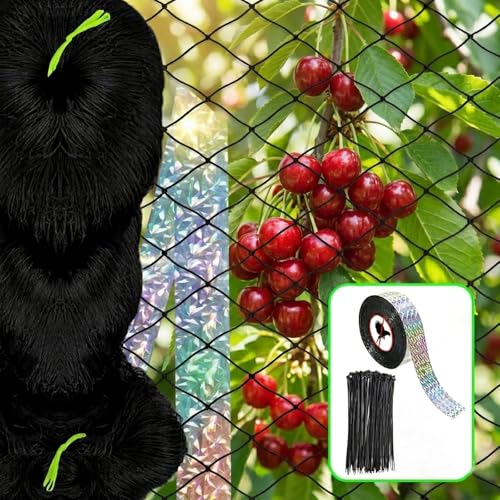 Fvellix Bird Netting for Chicken Coop9.6/10View on Amazon
- 3
 Hogarjal Foldable Chicken Tunnel for Yard9.5/10View on Amazon
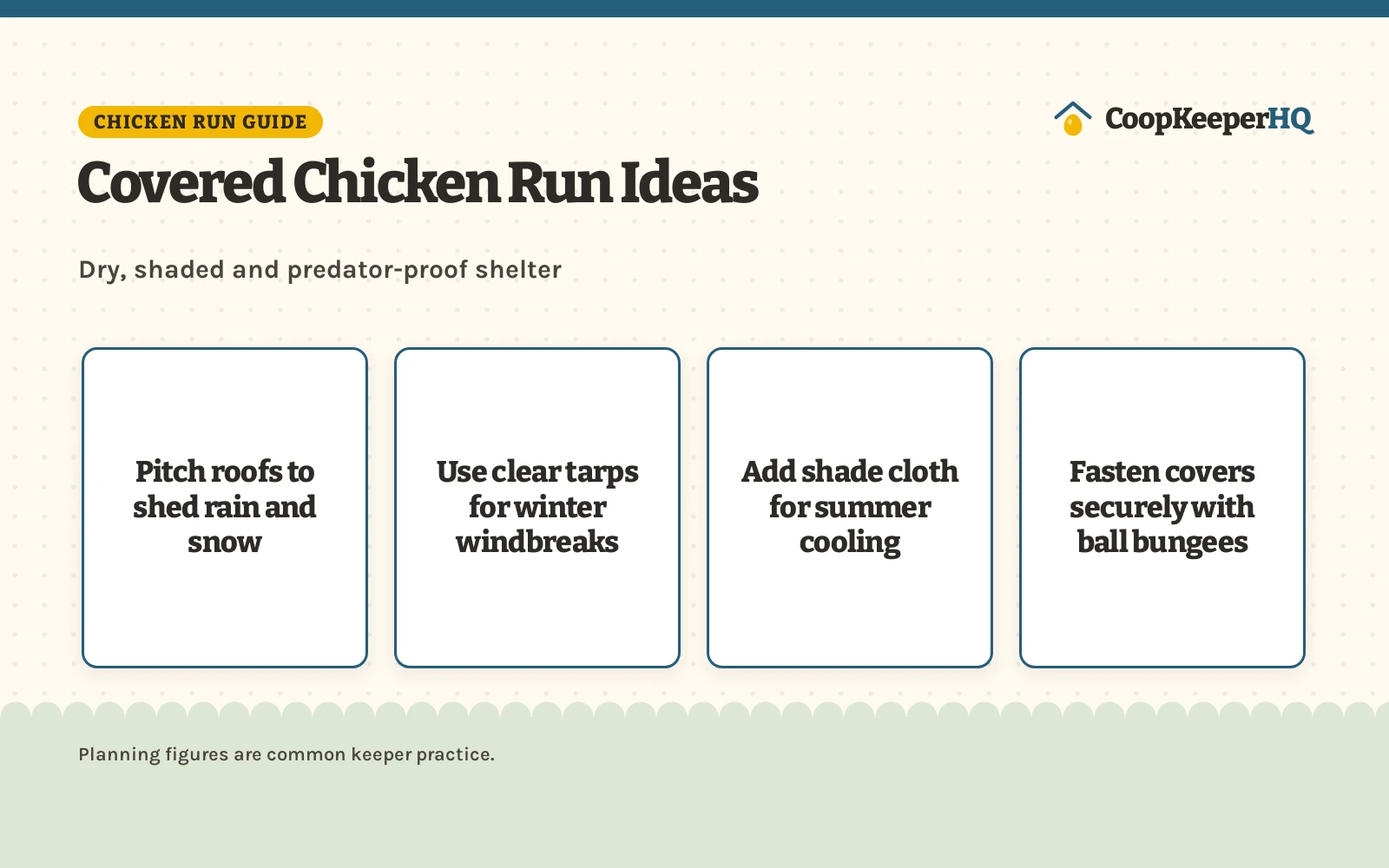
Covered chicken run ideas focus on protecting your flock from rain, snow, harsh sun, and overhead predators while keeping the ground dry and mud-free. Practical setups combine sloped roofing over sturdy framing, clear tarps along the sides for winter wind protection, breathable shade cloth for summer cooling, and secure hardware cloth mesh across every opening. A well-designed covered run gives chickens a sheltered outdoor space where they can dust bathe, forage, and exercise comfortably throughout the year.
CoopKeeperHQ earns a commission if you buy through our links, at no added cost to you. Affiliate disclosure.
Covered chicken run ideas: start with full-weather protection
Without overhead shelter, an unpaved chicken run often becomes wet and muddy during prolonged rain or melting snow. Mud makes it difficult for chickens to scratch and dust bathe, while exposed feed quickly spoils in wet weather. Adding a durable overhead cover keeps the run interior dry, protects outdoor feeders, and shields the flock from harsh weather.
Walk-in metal run frames often use rectangular polyethylene tarps secured across the upper roof arches. For example, Ahpuhtan lists an 11.3 * 6.3 FT outdoor chicken run cover made from polyethylene with ball bungee cords and a 1 year warranty. LZBEITEM lists an 11.38ft x 6.33ft replacement roof cover featuring a 2 year manufacturer warranty and 22 pcs of ball bungee cords. For longer overhead runs, VitalCozy lists a 14.5 x 6.6 ft polyethylene tarp supplied with 53 ball bungee cords. These durable covers strap over the top arches of metal pens, shedding water to the sides while keeping the run floor dry underneath.
Winter shelter with clear vinyl tarps and windbreaks
Winter weather brings freezing winds and blowing snow that can make an exposed chicken run uncomfortable for birds. While adult chickens tolerate cold air when kept dry, persistent drafts and driving snow often discourage them from leaving the coop. Mounting clear vinyl tarps along the prevailing windward walls creates a sheltered area that blocks icy gusts while allowing natural daylight to fill the pen, while keeping upper vents open so moisture escapes freely.
Clear covers provide wind protection without plunging the run into darkness. PJT lists a 4x10ft clear vinyl tarp made with 16mil thick material, featuring reinforced edges and grommets spaced every 15 inches. For targeted wall sections or compact roof runs, MEWTOGO lists a 4x8ft transparent polyethylene winterizing cover with metal grommets placed every 19 inches. Wrapping the sides facing prevailing winter winds stops drafts while keeping bedding dry. Inside the sheltered run, keeping feed dry is simple with a weatherproof outdoor feeder and clean water from a chicken run waterer.
Summer shade cloth and heat relief
When warm weather arrives, impermeable waterproof tarps and clear vinyl panels can trap heat and create stifling conditions if air cannot move freely. Chickens handle cold far better than extreme heat, and an unventilated covered run can become dangerously hot during summer heatwaves. Swapping impermeable roof covers for breathable shade cloth or mounting shade netting over sunny sections allows air to circulate while shielding the flock from direct sun.
Knitted shade cloth cuts harsh sunlight while letting hot air rise and escape through the fabric. Coiuzo lists a 10FT*20FT shade cloth providing a 50% shading rate with locking rings spaced along each side of the 20 inch space. Installing breathable shade cloth over the roof or southern wall reduces radiant solar heat inside the run and keeps drinking water out of direct sun. Combining shade cloth on top with open mesh walls ensures steady cross-ventilation so hens stay comfortable throughout the hottest summer afternoons.
Overhead predator protection and aviary netting
A covered run does more than shield against wet weather; it provides a vital physical barrier against predators. Aerial hunters such as hawks and owls watch runs from nearby trees and can dive into uncovered pens without warning. Covering the roof with wire mesh or durable aviary netting provides a dependable barrier against aerial attacks.
For spacious runs where a solid waterproof roof is impractical, woven netting provides wide overhead defense. Vocray lists a 25×50 Ft woven high-density polyethylene aviary netting with a 1 inch mesh that can support over 100 pounds. Although woven netting stops hawks and prevents chickens from flying out, climbing predators like raccoons require rigid wire mesh. Reinforcing lower walls and roof seams with welded wire from a reputable hardware cloth guide ensures that night predators cannot pull apart the enclosure.
Roof pitch, framing, and snow load
The angle and structural framing of your run cover determine how well it survives heavy weather. A flat tarp stretched across horizontal rafters will sag under rain, collect standing water, and eventually stretch or tear. Heavy wet snow adds massive weight that can bend lightweight metal arches or snap wooden rafters if the roof cannot shed precipitation.
Designing a peaked gable roof or a sloped lean-to roof encourages rain and snow to slide off automatically. Sturdy wooden rafters or heavy-gauge steel framing provide the rigid backing needed to support winter snow loads without buckling. When planning your run layout alongside the coop, reviewing walk-in chicken coop plans helps you align roof slopes so runoff directs cleanly away from walkways and coop entrances.
Ground drainage and dry run flooring
An overhead roof keeps falling rain off your flock, but ground water can still seep into the run if the surrounding soil slopes inward. Water pooling around the base of the run softens the soil, creates foul odors, and allows predators to dig under fencing more easily. Proper site grading and durable ground cover work hand in hand with an overhead roof.
Grade the soil so surface water flows away from the run perimeter, or dig shallow drainage swales backfilled with gravel around the exterior walls. Inside the covered run, deep layers of coarse wood chips, washed construction sand, or pea gravel provide excellent drainage and stay clean. For budget-conscious keepers looking to protect the run perimeter against digging pests, our guide to a predator-proof chicken run covers wire aprons and trenching techniques.
Securing tarps and covers against strong winds
High winds exert heavy uplift on run covers, acting like a sail that can pull out grommets or rip fabric along seam lines. Screws driven directly through grommets or unyielding wire ties can tear fabric during violent gusts. Using flexible fastening methods absorbs wind energy and extends the life of your covers.
Elastic ball bungee cords loop through reinforced metal grommets and wrap around tubular framing, providing constant tension while flexing during heavy gusts. When attaching covers to wooden rafters, sandwiching the tarp edge beneath wooden batten strips distributes wind pressure evenly across the entire seam instead of concentrating tension on individual grommets. Inspect cords and straps periodically to replace weathered elastic before winter storms arrive.
Daily routine and seasonal maintenance
A covered run requires regular attention across changing seasons to maintain safety and comfort. During winter, brush heavy snow accumulation off tarp peaks to prevent structural strain, and check that clear vinyl sidewalls remain firmly anchored. In spring, wash accumulated dust and debris off clear panels to maximize light transmission.
When transitioning into summer, replace winter windbreak tarps with breathable shade cloth to promote cooling breezes. Always inspect wire seams and corner latches for wear. Equipping your coop with a reliable automatic coop door ensures your flock secures inside the coop at nightfall, while sturdy locks for chicken coops prevent raccoons from manipulating run access gates.
Covered chicken run setup checklist
- Roof sloped with sufficient pitch to shed rain and snow freely
- Sturdy framing capable of bearing winter snow and high wind loads
- Polyethylene or vinyl covers secured with flexible ball bungees
- Clear vinyl panels installed along windward walls for winter draft protection
- Breathable knitted shade cloth prepared for summer heat reduction
- Heavy-duty wire mesh installed across all roof openings and perimeter walls
- Surrounding soil graded to direct surface water away from the run interior
For guidance on reinforcing run boundaries against digging and climbing predators, see our hardware cloth guide.
Birds, breed size, run time and climate in; coop floor, run space, roost length and nesting boxes out.
Wash your hands after handling birds, eggs or equipment, supervise children around the flock, and check local rules on flock size and roosters before you buy. For sick birds, call a poultry veterinarian or your state extension office. See CDC backyard poultry guidance. Read our Safety Disclaimer.
FAQ for the flock
What is the best material to cover a chicken run roof?
The best material depends on your local climate and framing. Heavy-duty woven polyethylene covers and thick corrugated polycarbonate panels provide durable waterproof protection that sheds rain and snow. For summer heat, breathable shade cloth allows hot air to escape while blocking harsh sunlight.
Can I use clear tarps on my chicken run during winter?
Clear vinyl or clear polyethylene tarps work exceptionally well on windward run walls during winter. They block freezing winds and blowing snow while allowing natural sunlight to warm the pen like a greenhouse. Keep the upper ridge or leeward side open for ventilation so moisture can escape, preventing the damp air that causes frostbite.
How do I stop snow and rain from collapsing a chicken run cover?
Always install covers over a sloped or peaked frame so water and snow slide off naturally rather than pooling in the center. Support the fabric with closely spaced rafters or wire mesh underneath, and use elastic ball bungees to keep the material taut.
Does a chicken run need to be completely covered?
Covering the entire run is ideal for keeping bedding dry and excluding predators. However, partially covering the run provides a sheltered feeding and dust-bathing area while leaving an open section for sunshine, provided the open area is protected overhead with predator-proof wire mesh.
How do I keep a covered chicken run cool in the summer?
Remove winter windbreak tarps from sidewalls to allow full cross-ventilation. Replace impermeable roof tarps with knitted shade cloth, which blocks intense sunlight while allowing rising heat to escape freely through the fabric mesh.
More coop guides
- Cheap Predator Proof Chicken Run: 5 Budget Backyard Picks (2026)
- Best Hardware Cloth for Chicken Coop Runs and Aprons
- Best Outdoor Chicken Feeder (2026): 5 Weatherproof Picks
See the chicken runs and fencing picks and the predator protection guides.