How to Care for Fresh Eggs: Washing, Storage and Cartons
Collect fresh eggs often, wash only the dirty ones with a brush or enzyme wash, and store them cool and steady until use.

On this page
Top picks at a glance
As an Amazon Associate I earn from qualifying purchases.
- 1
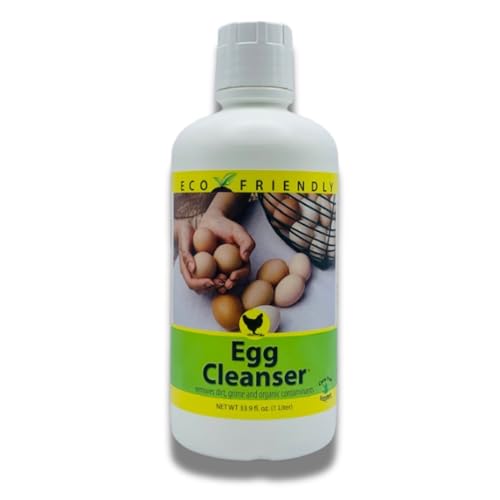 CareFree Enzymes Egg Washer and Egg Cleaner9.6/10View on Amazon
- 2
 GoodEgg Heavy Doody Egg Wash9.6/10View on Amazon
- 3
 GoodEgg The Original Egg Brush9.5/10View on Amazon
- 4
 Manna Pro Egg Cleanser Natural Enzyme Wash9.5/10View on Amazon
Morning in the coop starts with the basket: warm eggs in the nest boxes, a little straw stuck to the shells, and the question of what to do with them before breakfast. How to care for fresh eggs comes down to a short routine: collect them often, brush or wash off the dirt, and store them somewhere cool and steady until you use them. This guide walks through that routine and the gear that handles the washing step.
CoopKeeperHQ earns a commission if you buy through our links, at no added cost to you. Affiliate disclosure.
| # | Product | Keeper Score | Buy |
|---|---|---|---|
| 1 | CareFree Enzymes Egg Washer and Egg Cleaner | 9.6/10 | Buy on Amazon |
| 2 | GoodEgg Heavy Doody Egg Wash | 9.6/10 | Buy on Amazon |
| 3 | GoodEgg The Original Egg Brush | 9.5/10 | Buy on Amazon |
| 4 | Manna Pro Egg Cleanser Natural Enzyme Wash | 9.5/10 | Buy on Amazon |
CareFree Enzymes Egg Washer and Egg Cleaner
A 33.9 oz plant-based enzyme wash that the maker says cleans hundreds of eggs at the recommended dilution.
CareFree Enzymes lists a 33.9 oz bottle of plant-based food-grade enzyme wash, made in the USA in Kansasville, Wisconsin. The listing says the formula was refined over 30 years, uses GRAS food-grade ingredients with no bleach, no alcohol and no synthetic fragrances, and cleans dirt, fecal matter, blood and protein residue without damaging the bloom. At the recommended dilution, the maker says a bottle easily washes hundreds of fresh eggs, and suits backyard flocks of 5 to 50+ hens.
Pros
- Plant-based food-grade enzymes, GRAS ingredients only
- Maker says a bottle cleans hundreds of eggs at the recommended dilution
- Formula refined over 30 years, per the listing
- Made in the USA by a family-owned company
Cons
- No warranty term is stated
- No brush or scrubber included
- Needs diluting before use, so washing takes an extra step
- Biggest bottle here, so it takes more shelf space
GoodEgg Heavy Doody Egg Wash
A 16 oz enzyme wash with natural abrasives for extra dirty eggs, made with 99 percent food-grade ingredients.
GoodEgg Heavy Doody is a 16 oz enzyme cleanser with natural abrasives, made with 99 percent food-grade ingredients and no bleach, soap, foam or dyes. The listing says it pulverizes stuck-on mud and feathers without harsh detergents, preserves the natural protective bloom, and works with the GoodEgg brush scrubber. Pump a little onto the brush, lather, scrub gently and rinse clean; the maker says the routine takes about 30 seconds per egg.
Pros
- Natural abrasives plus plant-based enzymes for stuck-on mud
- 99 percent food-grade ingredients, no bleach or soap
- Pairs with the GoodEgg brush scrubber
- Maker says the routine takes about 30 seconds per egg
Cons
- No warranty term is stated
- No brush included, wash only
- Made for extra dirty eggs, so it is more than a daily wash needs
- Thick formula needs a good rinse after scrubbing
GoodEgg The Original Egg Brush
A food-grade silicone brush with over 650 flexible nubs for scrubbing farm fresh eggs under cool water.
GoodEgg lists a food-grade silicone brush with over 650 flexible nubs, ribbed edges that act like mini squeegees, and a hollow center for quick drainage and drying. The brush flips inside out to rinse clean and runs through the dishwasher, and it carries US patent US-12089567-B1. The title sizes it for Large to XL eggs while the bullets say it is designed for standard-sized eggs, so the size claim reads both ways.
Pros
- Over 650 flexible silicone nubs that follow the egg curve
- Food-grade silicone, dishwasher-safe
- Ribbed edges reach into crevices like mini squeegees
- Hollow center drains and dries fast
Cons
- No wash liquid included, brush only
- No warranty term is stated
- Small size suits a single egg at a time
Manna Pro Egg Cleanser Natural Enzyme Wash
A 16 oz natural enzyme wash for fresh eggs, gentle enough for refrigerated eggs and fertilized eggs meant for incubation.
Manna Pro lists a 16 oz natural enzyme egg wash in a ready-to-use bottle, made to gently remove dirt and grime while staying safe for shells. The listing says it suits refrigerated eggs and fertilized eggs intended for incubation when used as directed. The title says ready-to-use, but a bullet calls it a concentrate with simple mixing instructions, so the listing reads both ways on whether it needs diluting.
Pros
- Natural enzymes, gentle on shells
- Suits refrigerated eggs and fertilized eggs for incubation
- Ready-to-use 16 oz bottle, per the title
- Mild alternative to harsh detergents or chemicals
Cons
- No warranty term is stated
- No brush or scrubber included
- 16 oz, tied with the Heavy Doody wash as the smallest bottle here
Other options for the coop
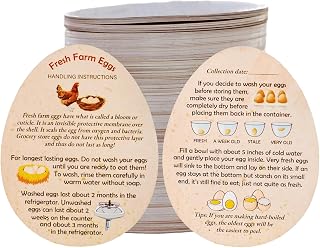 Fresh Farm Egg Handling Instruction CardsCheck price on Amazon
 Egg Cartons- Adorable Printed Design for Farm Fresh EggsCheck price on Amazon
 250 Egg Cartons- Bulk Value Bundle- Adorable Printed DesignCheck price on Amazon
 Printed Farm Fresh Egg CartonsCheck price on Amazon
 Pintuson 50 Pack Egg Cartons Cheap Bulk 12 CountCheck price on Amazon
 Classic 3x4 Farmhouse Egg CartonsCheck price on Amazon
How to care for fresh eggs: collect first
Collect eggs as often as the day allows, and keep the nest boxes lined and clean so fewer eggs come in dirty. A clean nest box means less washing later, and our nesting box size guide covers the box itself. If the boxes need a refresh, see our guide to cleaning a chicken coop. Carry the basket gently and set it down somewhere shaded while you finish chores.
Wash only the dirty ones
Fresh eggs carry a natural protective bloom, and the CareFree and Heavy Doody washes say they clean without stripping it. A clean egg needs no wash at all: wipe off loose straw and put it straight into the carton. Wash the eggs that come in muddy or stained, and leave the clean ones alone. When you do wash, use cool water and a brush or an enzyme wash made for eggs, and dry each shell before it goes into storage.
How to wash fresh eggs step by step
Start by brushing off dry dirt with the brush, then use a wash for the marks that stay. Hold the egg and rotate it gently against the brush under cool water, then rinse the brush by flipping it inside out. For a wash, pump a little onto the brush or mix it as the bottle directs, lather across the shell, scrub gently and rinse clean. Let the shells dry fully before they go into a carton, and wash your hands when the basket is done.
Store them cool and steady
Once the eggs are clean and dry, they go into cartons and into a cool, steady spot. Keep them away from strong smells and out of the sun, and use the oldest eggs first so nothing sits too long. Our egg holder vs egg carton guide compares holders and cartons. A steady routine matters more than fancy gear: collect, wash only the dirty ones, dry them, and put them away.
Egg washing gear for fresh eggs
The washing step is where the gear earns its keep: the brush handles the scrubbing, and the enzyme washes handle the dirt that stays after brushing.
What a dozen of your own eggs really costs, with and without startup costs, against the store price.
Wash your hands after handling birds, eggs or equipment, supervise children around the flock, and check local rules on flock size and roosters before you buy. For sick birds, call a poultry veterinarian or your state extension office. See CDC backyard poultry guidance. Read our Safety Disclaimer.
FAQ for the flock
Should I wash fresh eggs right away?
Only the dirty ones. A clean egg keeps its bloom and needs no wash, so wipe off loose straw and put it in the carton. Wash the eggs that come in muddy or stained, using cool water and a brush or an enzyme wash made for eggs.
What is the bloom on a fresh egg?
The bloom is the natural protective layer on the shell. The CareFree wash says it will not damage the bloom, and the Heavy Doody wash says it preserves the bloom while it cleans. That is why the routine here washes only the eggs that need it.
Can I use soap on fresh eggs?
Use a wash made for eggs instead. The Manna Pro wash (on Amazon) is a natural enzyme formula made as a mild alternative to harsh detergents, and the Heavy Doody wash states no bleach or soap. A brush under cool water handles light dirt with no wash at all.
How do I clean a very dirty egg?
Reach for the brush and the Heavy Doody wash together. The brush has over 650 flexible silicone nubs for scrubbing, and the wash pairs natural abrasives with plant-based enzymes for stuck-on mud. The maker says the routine takes about 30 seconds per egg.
Can I wash fertilized eggs meant for incubation?
The Manna Pro listing says its wash suits fertilized eggs intended for incubation when used as directed. Follow the bottle directions, and keep the hatching routine steady from there.
What size wash bottle do I need?
It depends on the flock. The Manna Pro and Heavy Doody washes come in 16 oz bottles, while the CareFree wash comes in a 33.9 oz bottle that the maker says cleans hundreds of eggs and suits flocks of 5 to 50+ hens. A small backyard flock gets by with the smaller bottle, and a larger flock saves trips with the bigger one.
More coop guides
- Egg Holder vs Egg Carton: Which One Should You Buy?
- How to Open Quail Eggs Easily
- Dimensions of a Chicken Nesting Box: Size Chart for Hens
- How to Clean a Chicken Coop
- How to Incubate Chicken Eggs at Home
- Chicken Egg Incubator Temperature and Humidity Settings
- Manual Egg Incubator: Hatching at Home, Step by Step
- How to Start a Chicken Coop: Starter Gear Checklist
See the egg handling guides and the coop supply picks.