How to Clean Chicken Roosting Bars
Scraping dried droppings, washing with vinegar and water, and letting perches dry fully keep chicken roosting bars clean without harsh fumes.

On this page
Top picks at a glance
As an Amazon Associate I earn from qualifying purchases.
- 1
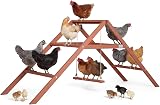 PETSFIT Wooden Chicken Roosting Bars for 10-12 ChickensView on Amazon
- 2
 PETSFIT Wooden Chicken Roosting Bars for 8-10 ChickensView on Amazon
- 3
 PETSFIT Wooden Chicken Perch with 2 Swings for 6-8 ChickensView on Amazon
- 4
 Square Chicken Roosting BarsView on Amazon
- 5
 PETSFIT Square Chicken Roosting PerchView on Amazon
- 6
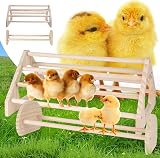 Chicken Perch 2-PackView on Amazon
To clean chicken roosting bars, scrape dried droppings off the perches with a stiff putty knife, scrub the wood with warm water and white vinegar, and let the perches dry completely before the flock returns at dusk. Regular dry scraping prevents manure buildup, lowers coop moisture, and keeps perches comfortable and sanitary for the flock. Skipping harsh chemical cleaners protects your flock from strong respiratory irritants inside the coop.
Other options for the coop
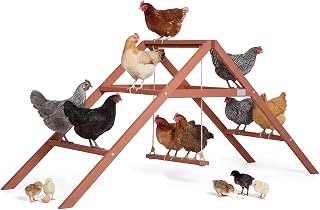 PETSFIT Wooden Chicken Roosting Bars for 10-12 ChickensCheck price on Amazon
 PETSFIT Wooden Chicken Roosting Bars for 8-10 ChickensCheck price on Amazon
 PETSFIT Wooden Chicken Perch with 2 Swings for 6-8 ChickensCheck price on Amazon
 Square Chicken Roosting BarsCheck price on Amazon
 PETSFIT Square Chicken Roosting PerchCheck price on Amazon
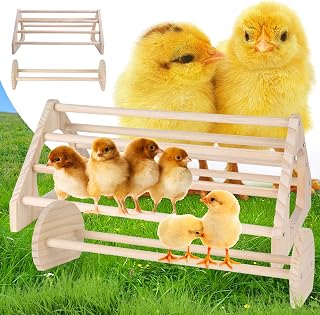 Chicken Perch 2-PackCheck price on Amazon
CoopKeeperHQ earns a commission if you buy through our links, at no added cost to you. Affiliate disclosure.
How to clean chicken roosting bars: start by scraping
Dry scraping before any liquid touches the wood is the key to easy roost maintenance. Dried chicken droppings turn into a slick, stubborn paste when wet. Scraping droppings while they are dry keeps that mess from soaking deep into the wood grain. A stiff metal putty knife or a paint scraper easily pops dried droppings off the surface.
Push the blade flat along the wood grain to avoid gouging the perches. Deep gouges create rough spots where manure and moisture collect later. After popping the heavy droppings free, use a stiff brush to sweep loose debris into a dustpan or collection bucket. If you are doing a broader coop refresh at the same time, our guide on how to clean a small chicken coop explains how to manage bedding and floor cleanouts efficiently.
What to clean chicken roosting bars with
Keepers often wonder what to clean chicken roosting bars with to balance sanitation with flock safety. Simple, natural washes are the best choice for coop perches. Warm water mixed with plain white distilled vinegar cuts through organic film, loosens lingering manure stains, and neutralizes ammonia odors without leaving hazardous chemical residues behind.
Mild unscented dish soap or Castile soap diluted in warm water also works well when roost bars have heavy dirt. A stiff scrubbing brush provides plenty of mechanical cleaning power to lift residue out of the wood grain without needing harsh synthetic detergents. Specialized coop cleaners formulated with plant-based enzymes are another gentle option, provided they are free from artificial perfumes. Avoid scented sprays or essential oils with strong aromas, as poultry are sensitive to airborne scents inside enclosed coops.
Why you should skip bleach and harsh chemicals
It is tempting to reach for household bleach or heavy disinfectants when cleaning poultry manure, but harsh chemicals do more harm than good on roosting bars. Chickens have an intricate respiratory system with delicate air sacs that extend throughout their bodies. Enclosed coops trap airborne fumes, and breathing chemical vapors can cause severe respiratory distress in poultry.
Bleach is particularly hazardous around chicken manure. Droppings contain ammonia, and combining chlorine bleach with ammonia creates toxic chloramine gas. Porous wooden perches also absorb chemical liquids, allowing residues to slowly release vapors long after the wood looks dry. Plain vinegar, warm water, and physical elbow grease provide plenty of cleaning power without risking flock lung health. If you ever notice birds coughing, wheezing, or showing signs of respiratory illness, consult a poultry vet or your state agricultural extension office promptly.
Scrubbing wood perches without soaking them
When washing roosting bars, avoid soaking the perches with a hose or pouring buckets of water inside the coop. Excessive moisture causes raw wood to swell, warp, crack, and dry unevenly. Soaking wooden perches also raises relative humidity inside the coop, creating a damp environment that encourages mold in the bedding.
Instead, dip a stiff brush into your warm water and vinegar mixture, shake off excess liquid so the bristles are damp rather than dripping, and scrub the bar firmly. Work in small sections, focusing on discolored spots where droppings were concentrated. After the bar is scrubbed clean, take a dry towel and wipe away surface moisture and loosened grime. This removes dirty water before it can penetrate deeply into the wood fibers.
Allowing full drying time before roosting
Damp roosting bars should never be left for the flock to sleep on. Resting on cold, damp wood for hours overnight robs chickens of body heat and creates an unhygienic surface against foot pads and feathers. Damp wood inside an enclosed coop also elevates nighttime humidity levels, which leads to moisture condensation on walls and vents.
Plan your cleaning routine for the morning hours after letting the hens out into the run. This gives the roosting bars all day to dry out before the flock heads inside at sunset. Open all coop windows, doors, and high wall vents to create cross ventilation that speeds up drying. If your roosting bars are removable, take them outside and place them in direct sunlight to dry thoroughly in the open air.
Managing droppings under the roost
Chickens deposit a significant portion of their daily manure while roosting at night, so managing the space beneath the bars makes routine perch cleaning much simpler. Installing a removable droppings board or manure tray underneath the perches catches waste before it falls into the floor litter. A droppings board can be scraped clean in moments every few mornings, reducing odor and moisture inside the coop.
If you prefer letting droppings fall to the floor, maintain an absorbent layer of high-quality litter under the roosting zone. Our guide to chicken coop bedding compares shavings, straw, and hemp for absorbency and dust control. Stirring the bedding under the perches frequently or spot scooping heavy manure zones keeps the floor dry. Collected droppings make excellent garden compost when aged properly in a dedicated pile away from the flock.
Choosing the right roost materials and shapes
The material and design of your roosting bars influence how easy they are to keep clean and how comfortably your flock rests. Untreated dimensional lumber is a widely used and practical choice for backyard coops. Natural wood provides traction, stays moderate in temperature underfoot, and can be sanded or scraped repeatedly. Our review of wood for chicken coop builds outlines which lumber types hold up best inside a poultry house.
A wider board with eased or rounded edges supports birds well. While chickens naturally curl their toes over perches, a broader flat surface gives heavy standard breeds a stable footing and allows them to settle their breast feathers over their feet in cold weather. Round poles or narrow dowels concentrate pressure on a smaller area of the foot pad. Smooth metal pipes should be avoided because metal becomes cold and attracts slippery condensation. If using molded plastic perches, look for textured surfaces that offer grip rather than slick finishes. Ensure your flock has ample perch space to prevent crowding at dusk, which you can check in our guide on how big should a chicken coop be.
A practical roost cleaning checklist
Keeping chicken roosting bars clean is straightforward when broken down into regular maintenance and periodic deep washing. Follow this simple routine to keep your flock’s sleeping quarters fresh and comfortable:
- Scrape dried manure off perches with a stiff putty knife while the wood is dry
- Sweep loose droppings, dust, and feathers into a dustpan or collection bucket
- Scrub remaining stains using a stiff brush dipped in warm water and white vinegar
- Wipe perches with a dry towel to remove dirty water and prevent wood saturation
- Provide maximum coop ventilation so perches dry thoroughly throughout the day
- Confirm roosting bars are completely dry to the touch before the flock returns at dusk
Birds, breed size, run time and climate in; coop floor, run space, roost length and nesting boxes out.
Wash your hands after handling birds, eggs or equipment, supervise children around the flock, and check local rules on flock size and roosters before you buy. For sick birds, call a poultry veterinarian or your state extension office. See CDC backyard poultry guidance. Read our Safety Disclaimer.
FAQ for the flock
What is the easiest way to remove dried chicken manure from roosting bars?
The easiest method is scraping the perches with a wide metal putty knife while the droppings are completely dry. Dry scraping lifts hard manure flakes cleanly without turning them into a smeared paste. After the bulk of the waste is scraped away, a quick scrub with a damp vinegar-soaked brush removes any remaining residue.
Can you clean chicken roosting bars with bleach?
Bleach should not be used on chicken roosting bars. Bleach releases harsh fumes that irritate chicken air sacs, and it can react with ammonia in chicken manure to form dangerous gases. Porous wood also absorbs bleach, which can irritate hens’ feet when they roost. Stick to warm water, white vinegar, or mild unscented soap.
How often should chicken roosting bars be cleaned?
Give roosting bars a quick scrape every week to keep heavy manure from building up. A deeper scrub with warm water and vinegar can be done as needed during regular seasonal coop cleaning or whenever the perches look heavily soiled. Regular dry scraping makes deep cleaning much faster.
Should chicken roosting bars be removable?
Making roosting bars removable is highly recommended. Detachable perches make coop maintenance much easier because you can lift them out of their brackets, carry them into the open run or yard for scrubbing, and leave them in the sun to air dry completely without dampening the coop floor.
Can dirty roosting bars cause foot issues in chickens?
Accumulated manure, damp wood, and rough splintered surfaces can irritate the sensitive skin on the bottoms of chickens’ feet. Keeping perches clean, dry, and smooth helps maintain sound foot condition. If you observe limping, foot swelling, or tenderness in any bird, seek advice from a poultry vet or your local agricultural extension service.
More coop guides
- How to Clean Small Chicken Coop: Step-by-Step Care and Routine
- Best Chicken Coop Bedding: Shavings, Hemp and Sand
See the chicken coop picks and the coop supply guides.