Light Sensor vs Timer Coop Door: Which One Should You Buy?
A clear comparison of light sensors and programmable timers for automatic chicken coop doors to help you pick the right trigger for your backyard flock.

On this page
Top picks at a glance
As an Amazon Associate I earn from qualifying purchases.
- 1
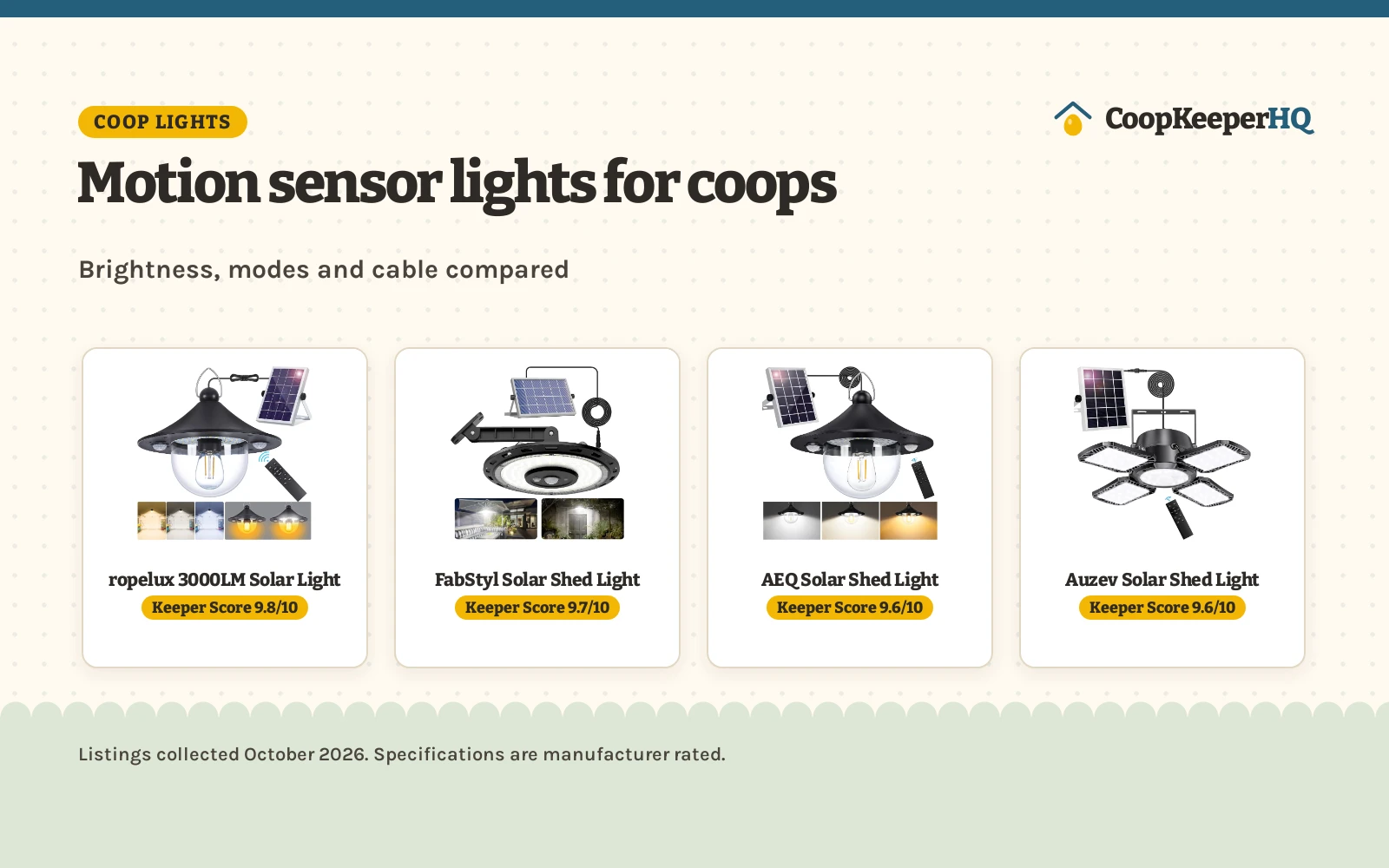
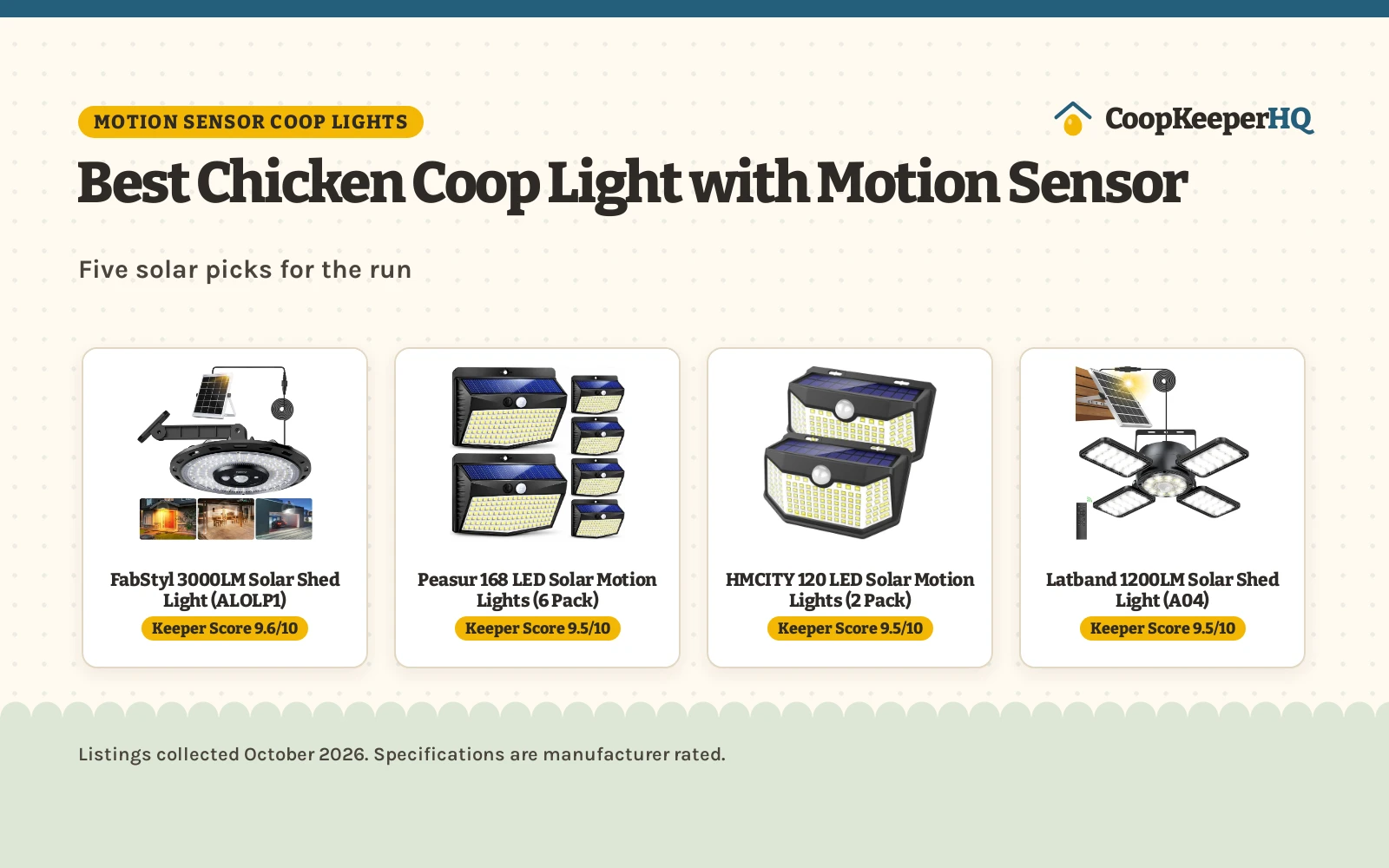
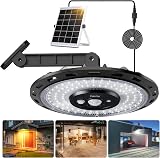 FabStyl 3000LM Solar Shed Light with 5 Modes9.6/10View on Amazon
- 2
 Automatic Chicken Coop Door Solar Timer/Light Sensor PoweredView on Amazon
- 3
 Chicken Coop DoorView on Amazon
- 4
 VIODAIM Solar Shed Light with RemoteView on Amazon
- 5
 HULPPRE Solar Outdoor Motion Sensor AlarmView on Amazon
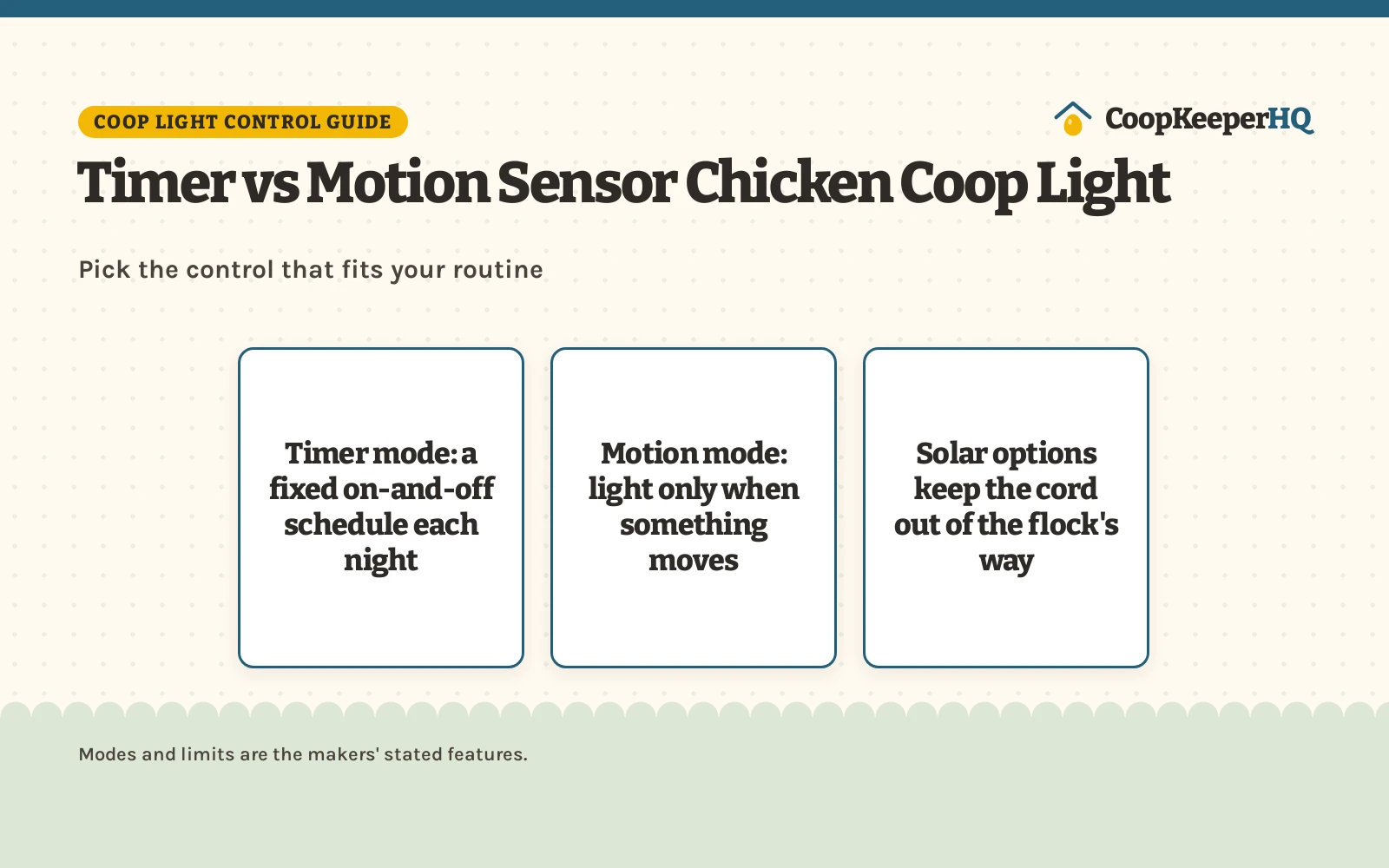
Backyard chicken keepers know the daily chore of heading out at dusk to lock the coop and at dawn to let the flock forage. An automatic door automates this chore, but choosing between a light sensor vs timer coop door determines how reliably your coop runs. Light sensors suit flocks on natural daylight cycles with open sky views. Timers suit setups with artificial yard lighting, tree shade, or morning predator risks. Many openers also offer dual modes combining both triggers.
Other options for the coop
 Automatic Chicken Coop Door Solar Timer/Light Sensor PoweredCheck price on Amazon
 Chicken Coop DoorCheck price on Amazon
 VIODAIM Solar Shed Light with RemoteCheck price on Amazon
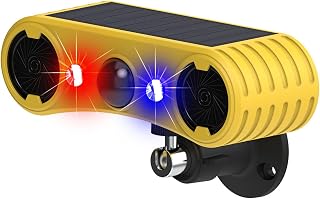 HULPPRE Solar Outdoor Motion Sensor AlarmCheck price on Amazon
CoopKeeperHQ earns a commission if you buy through our links, at no added cost to you. Affiliate disclosure.
Light sensor vs timer coop door: how each trigger works
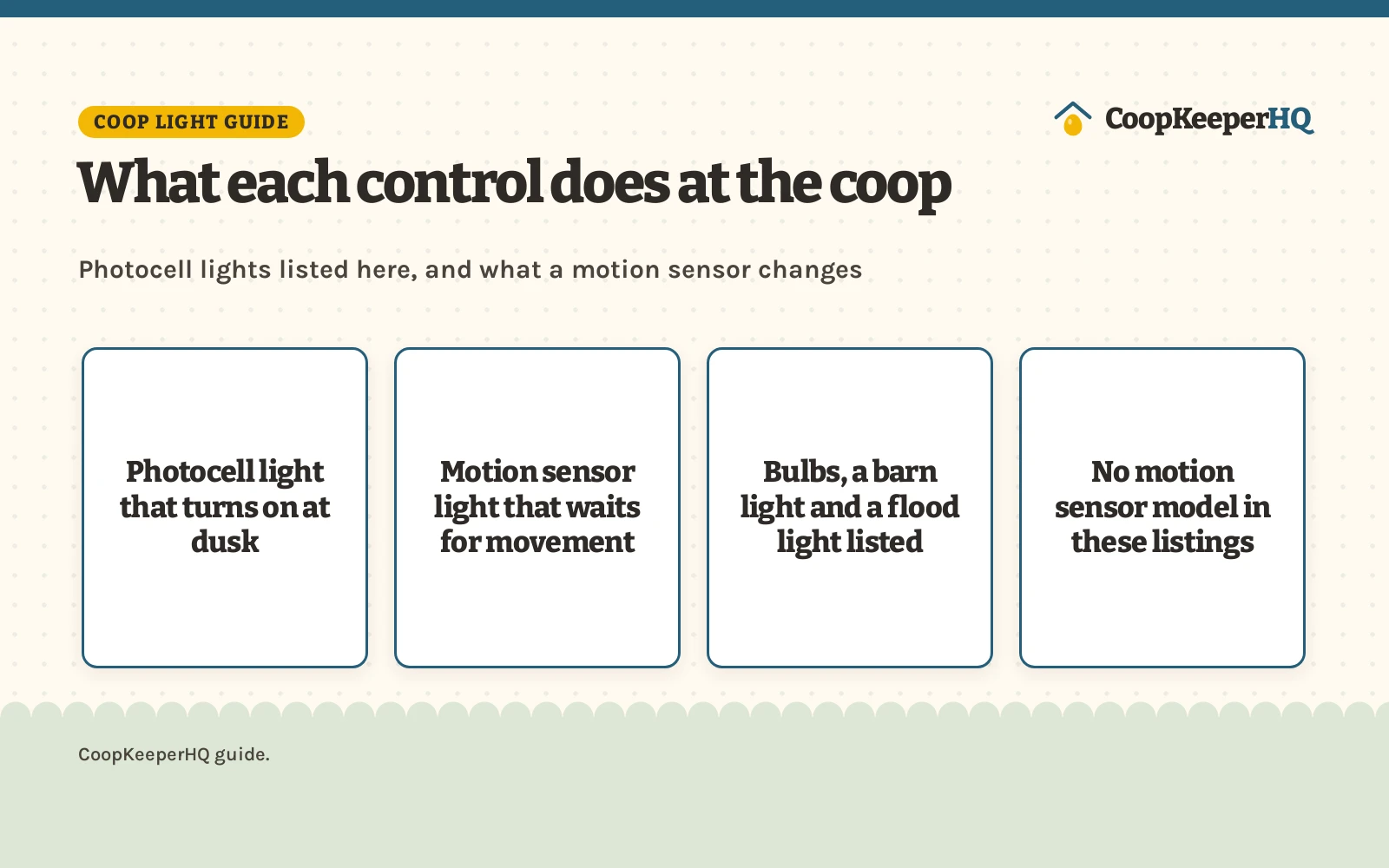
An automatic chicken coop door frees you from rushing home before dark. A light sensor uses a photocell to open at dawn and close at dusk, aligning with roosting habits without seasonal clock resets. A timer relies on an internal clock, opening and closing at fixed hours regardless of weather or yard illumination.
How light sensor coop doors work
Light sensors adjust automatically across seasons. For coops in deep shade, separate sensors are essential: the JVR listing includes a 39-inch light sensor cable to place the sensor outdoors while housing controls inside. JVR lists an IP53 box rating, while Omlet Autodoor specifies an IPX6 standard waterproof casing. Heavy storms can trigger early closure, but the door reopens once daylight returns.
When mounting a light sensor opener, consider physical cable reach and frame dimensions. The Omlet Autodoor listing provides a 6ft 6in control panel cable alongside a 5ft 10in mains cable, giving keepers ample slack to position the control box and light sensor where they catch unfiltered daylight. The Omlet frame measures 19.25 x 2.25 x 16.5 inches and mounts either way up so the panel slides open to the left or right, accommodating varying coop framing.
How timer coop doors work
Timer doors ignore environmental lighting; barn lights or overcast skies never disrupt their schedule. A timer keeps hens inside until broad daylight deters dawn predators like foxes and coyotes, and keeps hens near nesting boxes during morning egg-laying. The drawback is adjusting clock hours as seasons shift.
Timers also require evaluating physical door travel and coop clearance. Vertical slide designs need overhead wall space: the JVR listing requires an installation space of 12 3/4 inch wide by 30 5/16 inch high to fit 11 x 12 in openings with its 60-minute install design. For coops with low eaves or limited vertical clearance, horizontal sliding doors solve overhead constraints. The Pet Deluxe listing uses a horizontal dual-door design opening sideways across an 11.3 x 8.7-inch opening, accommodating birds up to 15 lbs without requiring overhead clearance.
Daylight shifts and seasonal changes
As summer turns to winter, sunset arrives earlier. Light sensors adapt automatically: as the Omlet Autodoor listing notes, following daylight naturally tracks the seasons, enclosing hens at dark and freeing them at dawn without resetting clocks. Timers require manual updates. In cold areas, see automatic coop doors for cold winters.
Artificial light, shadows, and sensor placement
Continuous yard lights can delay evening closure by illuminating photocells, while heavy shade can cause premature closing. Where clear sky exposure is missing, a timer is more dependable. Our guide on how to predator proof a chicken coop covers shelter placement.
Predator timing and flock safety
Anti-pinch sensors protect trailing birds: Omlet Autodoor listing features safety sensors reversing like elevator doors, JVR includes pressure-sensing reverse technology, and IBKINXX features an anti-pinch sensor that reopens when a chicken passes through its 9.6 inches high by 8.2 inches wide door opening. JVR features a rigid aluminum door with a screw-rod actuator preventing predators from lifting the panel, Pet Deluxe uses aluminum alloy construction with locking to resist raccoons and foxes, and IBKINXX uses aluminum alloy designed to resist scratching. See our predator-resistant automatic coop door picks.
Dual-mode doors and combined triggers
Dual-mode doors combine both methods: a timer delays morning opening past dawn predator hours, while a light sensor closes automatically at dusk. Pet Deluxe highlights 4 modes (timer-timer, light-light, light-timer, timer-light) with a 49 feet remote control. IBKINXX provides 4 operating modes covering light sensing, timer schedules, manual control, and a 66ft remote control. See solar vs battery coop doors.
Power sources and temperature ratings
Omlet Autodoor runs on 4 AA batteries providing up to 6 months of battery life, with an optional 12V power cable. Pet Deluxe pairs a 7W solar panel with a 2000mAh battery, IBKINXX includes a 2000mAh battery charged via solar or USB, and JVR operates on an AC 110V to DC 12V cord with DC 12V backup. See our solar powered chicken coop doors. Cold ratings: Omlet lists -4 degrees Fahrenheit, Pet Deluxe specifies -4°F to 140°F, and IBKINXX rates -10F to 140F. Connect outdoor AC cords to a GFCI outlet.
Solar-equipped models provide valuable backup options when winter daylight is limited. The Pet Deluxe listing provides a 7W solar panel paired with a Type-C USB port to top up its 2000mAh battery during extended cloudy weeks. The IBKINXX listing also pairs its 2000mAh battery with solar and USB-C charging, while its larger display screen clarifies timer programming and battery levels at a glance for birds up to 10 lbs.
Which coop door trigger should you choose?
Choose a light sensor for open sky exposure, dark nighttime yards, and hands-off seasonal tracking. Choose a timer for shaded coops, artificial yard lights, or to hold birds during dawn predator hours. Choose dual-mode models for combined flexibility. Protect runs with hardware cloth.
A simple coop door checklist
- Mount light sensors facing open sky
- Keep photocell lenses clean
- Shield sensors from artificial yard lights
- Update timer hours seasonally
- Confirm anti-pinch sensors reverse properly
- Check batteries before freezing weather
- Connect wired cords to a GFCI outlet
Birds, breed size, run time and climate in; coop floor, run space, roost length and nesting boxes out.
Wash your hands after handling birds, eggs or equipment, supervise children around the flock, and check local rules on flock size and roosters before you buy. For sick birds, call a poultry veterinarian or your state extension office. See CDC backyard poultry guidance. Read our Safety Disclaimer.
FAQ for the flock
Can a light sensor coop door close before chickens are inside?
Storm clouds or shade can trigger early closure. Models with adjustable sensitivity or delayed closing ensure lingering birds roost safely first.
Do porch lights interfere with a light sensor door?
Continuous lighting from barn fixtures or floodlights delays evening closure. Position sensors on a shielded wall or use timer mode.
How often should I adjust a coop door timer?
Adjust timers every few weeks as seasons shift, preventing the door from remaining open after dark.
Is a light sensor or a timer safer against predators?
Both are safe when rigid. Light sensors secure coops promptly at dusk, while timers allow delayed dawn opening to avoid predators.
Can you use a timer and a light sensor together?
Yes, dual-mode doors let keepers set a timer for morning opening and a light sensor for automatic dusk closure.
More coop guides
- Best Automatic Chicken Coop Door: Picks for Every Season
- Solar vs Battery Chicken Coop Door: Which One Should You Buy?
- Best Automatic Coop Door for Cold Winters (2026)
- Best Automatic Coop Door for Predators (2026): 5 Metal Picks Compared
- Best Solar Powered Chicken Coop Door (2026)
- RUN-CHICKEN T50 Review: Specs, Pros, Cons and Who It Suits
See the coop doors and automation category and our predator protection guides.