Live Trap vs Snap Trap for Rats: Which One Should You Buy?
Live trap vs snap trap for rats: how each works, what the listings show about live-trap sizes and limits, and which suits a chicken coop.

On this page
Top picks at a glance
As an Amazon Associate I earn from qualifying purchases.
- 1
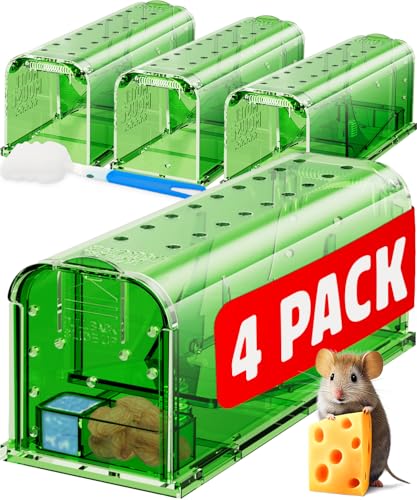 Motel Mouse Humane No Kill Mouse Traps Live Catch and Release9.6/10View on Amazon
- 2
 Tomcat Rat Snap Trap9.4/10View on Amazon
- 3
 Kensizer Animal Humane Live Cage TrapView on Amazon
- 4
 Gingbau Live Chipmunk Rat Trap Humane Vole Mouse Cage TrapView on Amazon
- 5
 Gingbau Rat Chipmunk Trap Humane Live Mouse Vole Cage TrapView on Amazon
- 6
 Gingbau 2-Pack Rat Traps Humane Live Chipmunk Mouse TrapView on Amazon
- 7
 Humane Mouse TrapsView on Amazon
- 8
 2 Packs Humane Rat Mouse Trap Outdoor Live Animal Cage IndoorView on Amazon
Live trap vs snap trap for rats comes down to what happens after the catch. A live trap holds the rat unharmed in a cage so you can release it elsewhere; a snap trap kills it with a spring-loaded bar. Around a chicken coop, the choice is not just humane preference: it is about safety for hens, chicks, pets and children, about whether your local rules allow relocation, and about how much checking and handling you are willing to do. The sections below walk through both, using reference live-trap listings for concrete figures.
Other options for the coop
 Kensizer Animal Humane Live Cage TrapCheck price on Amazon
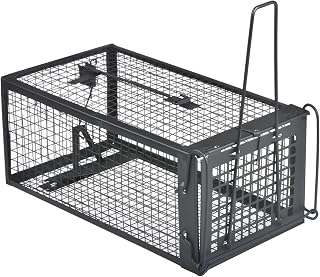 Gingbau Live Chipmunk Rat Trap Humane Vole Mouse Cage TrapCheck price on Amazon
 Gingbau Rat Chipmunk Trap Humane Live Mouse Vole Cage TrapCheck price on Amazon
 Gingbau 2-Pack Rat Traps Humane Live Chipmunk Mouse TrapCheck price on Amazon
 Humane Mouse TrapsCheck price on Amazon
 2 Packs Humane Rat Mouse Trap Outdoor Live Animal Cage IndoorCheck price on Amazon
CoopKeeperHQ earns a commission if you buy through our links, at no added cost to you. Affiliate disclosure.
live trap vs snap trap for rats: the short answer
Choose a live trap if you want no-kill control and are willing to check the trap often and release the rat far from home. Choose a snap trap if you want the rat dealt with on the spot with no handling and no relocation trip. For coops with free-ranging hens or curious pets, the live cage is the safer device to leave set; a snap trap’s striking bar does not distinguish a rat’s neck from a hen’s foot. One honest note: every reference listing for this guide is a live trap, so the live-trap side below carries real figures while the snap-trap side is general explanation.
How a live trap works
A live trap is a wire cage with a one-way door. Bait goes on a trigger pedal or plate inside; when the rat steps on it, the door swings shut and locks, and the rat waits inside unharmed until you carry the cage away and open the door. The listings describe the same mechanism in different words: a high-sensitivity trigger with an auto-locking door on the Kensizer, a weight-triggered lever with a slide-open back door on the blinc, and a pedal that snaps the exit door shut on the Wanqueen. After release, the cage resets: the Wanqueen and blinc listings both describe rinsing or washing the trap and setting it again, so one cage serves for many catches.
How a snap trap works
A snap trap is the classic wooden or plastic base with a spring-loaded striking bar held under tension by a trigger pedal. The rat takes the bait, the trigger releases, and the bar snaps shut on the rat, killing it in place. There is no second step: no checking schedule, no release trip, no live animal to handle. The tradeoff is the mechanism itself: the bar strikes whatever trips it, so placement has to keep hens, chicks, pets and small fingers away from the set trap. A snap trap catches one rat per set, though the trap itself can be reset and reused.
What the listings show about live traps
Sizes cluster around one standard: 10.5 by 5.5 by 4.5 inches on the Gingbau and Wanqueen cages, close to the 10.6 by 5.5 by 4.7 inches the Wanqueen bullets give, and 12.5 by 5.5 by 4.5 inches on the Anyhall. The Kensizer runs larger at 12 by 6.5 by 5 inches, and the Rugged Ranch Ratinator is the outlier at 16.5 by 26.5 by 6 inches with a dual-door design the listing says can hold up to 21 rodents, a multi-catch cage rather than a single-catch one. The IIWEY 2-pack weighs 1.2 pounds and the Wanqueen 4-pack weighs 3.5 pounds, so pack totals are not a per-cage comparison; the Kensizer single cage weighs 1.4 pounds.
Limits matter as much as sizes. The Kensizer listing is explicit: designed only for mice and rats, not for animals over 1 kg, which can bite the trap open and escape. The Gingbau and Anyhall listings both warn that squirrels can chew through the wire with their strong teeth. So a live cage sized for rats is not a general wildlife trap: match the trap to rats and mice, and do not expect it to hold anything bigger. On durability, the cages are galvanized steel or iron against rust, the blinc is ABS plastic with a no-touch release door, and the IIWEY carries a 1-year manufacturer warranty while Kensizer promises a replacement if the trap is damaged within half a year.
Choosing for a chicken coop
Start with who shares the space. Hens peck at anything new, chicks wander, and dogs and cats patrol. A live cage sitting quietly harms none of them; a set snap trap can injure a curious hen or a pet’s paw. If your birds free-range near the coop, that alone settles it toward the live trap. Place either trap along the rat’s run, against walls and near the feed storage where droppings and gnaw marks show traffic, and keep both types out of the hens’ pecking range.
Then weigh the aftercare. A live trap obliges you: check it often, because a caged rat without water suffers, and release it far enough that it does not walk back. Check your local rules before you relocate anything; some areas restrict moving wildlife. A snap trap asks nothing after the catch except disposal, but it asks careful placement before it. For a full comparison of trap styles, see our best type of rat trap guide and the Tomcat rat snap trap review.
Wash your hands after handling birds, eggs or equipment, supervise children around the flock, and check local rules on flock size and roosters before you buy. For sick birds, call a poultry veterinarian or your state extension office. See CDC backyard poultry guidance. Read our Safety Disclaimer.
FAQ for the flock
Which is more humane, a live trap or a snap trap?
It depends on follow-through. A live trap is humane only if you check it often and release the rat promptly; a forgotten cage is cruel. A good snap trap kills quickly with no suffering after, but a weak or mis-set one can injure without killing. Either choice demands attention.
Can I use a live trap around chickens?
Yes, with placement. A caged rat cannot hurt hens, and the cage itself is harmless to birds. Keep the trap where hens will not roost on it or foul it with droppings, and where you can reach it for daily checks.
What size live trap do I need for rats?
The standard in the listings is about 10.5 by 5.5 by 4.5 inches, which the Gingbau and Wanqueen listings size for rats, mice, chipmunks and voles. For heavy rat pressure, the 16.5 by 26.5 by 6 inch Rugged Ranch multi-catch cage holds up to 21 rodents per the listing.
Will a live rat trap hold a large rat?
Within reason. The Kensizer listing draws the line at animals over 1 kg, which can bite the trap open, and the Gingbau and Anyhall listings warn that squirrels chew through the wire. For ordinary rats and mice the listed cages are sized right; for anything bigger, use a larger trap.
Where should I put the trap?
Along walls and edges where rats travel, near feed storage and anywhere you see droppings or gnaw marks. Rats run the perimeter rather than crossing open ground, so a trap in the middle of the floor catches little. Keep traps out of hens’ pecking range.
More coop guides
- Best Type of Rat Trap (2026)
- Tomcat Rat Snap Trap Review: Pros, Cons & Who It’s For
- Owltra OW-1 Electric Rat Trap Review: Pros, Cons & Who It’s For
- How to Predator Proof a Chicken Coop and Run
See every predator protection guide, and read how to predator proof a chicken coop to stop rats getting in at all.