What Is a Duck Brooder?
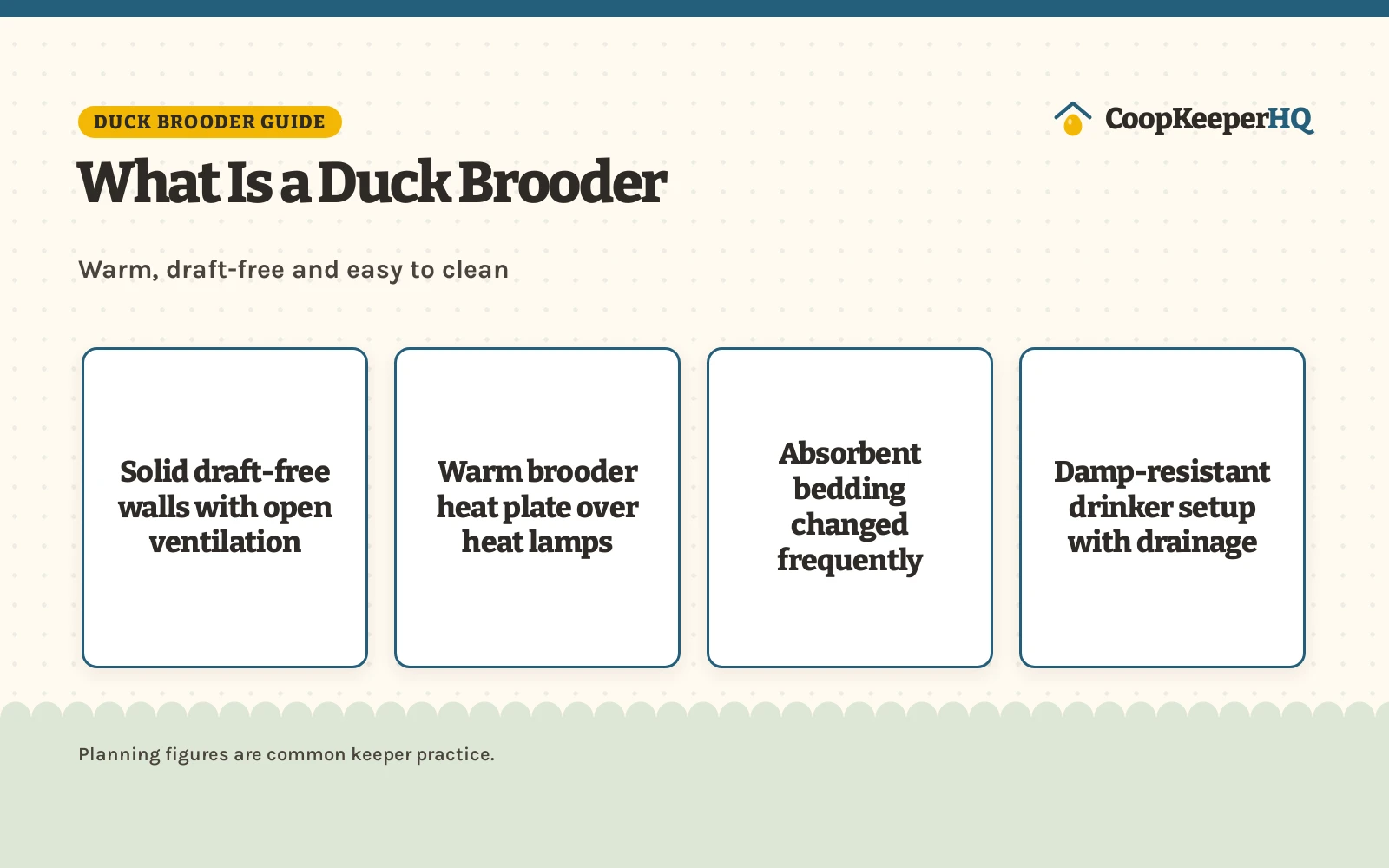
A duck brooder is a dedicated indoor enclosure that provides draft-free shelter, regulated warmth, dry bedding and accessible water for growing ducklings.

On this page
Top picks at a glance
As an Amazon Associate I earn from qualifying purchases.
- 1
 12" x 16" Chick Brooder Heater Plate for 40 Baby Chicks Ducks9.6/10View on Amazon
- 2
 Tetuga Brooder Box for Chick Starter Kit with 10x 12” Brooder9.6/10View on Amazon
- 3
 PETTEN Brooder Box for Chicks Starter Kit with 15 x 11 Inch9.6/10View on Amazon
- 4
 Brooder Box for 15 Chicks with Heating Plate & Sliding DoorView on Amazon
- 5
 16"x22" Chick Brooder Heater Plate for Up to 50 Baby ChicksView on Amazon
- 6
 Brooder Box for ChicksView on Amazon
- 7
 Gyrivav Brooder Plate for Chicks with Remote ControlView on Amazon
- 8
 6 Pack 1.5L Gravity-Fed Chick Water for BrooderView on Amazon
What is a duck brooder? A duck brooder is a heated indoor enclosure designed to shelter young ducklings until they grow waterproof adult feathers. Newly hatched ducklings have soft down that easily absorbs water, making them vulnerable to hypothermia and drafts. A proper brooder balances radiant heat, ventilation, absorbent bedding and accessible water. Answering what is a brooder for ducks centers on providing containment and warmth where ducklings eat, drink and rest without getting chilled or soaked.
Other options for the coop
 Brooder Box for 15 Chicks with Heating Plate & Sliding DoorCheck price on Amazon
 12" x 16" Chick Brooder Heater Plate for 40 Baby Chicks DucksCheck price on Amazon
 16"x22" Chick Brooder Heater Plate for Up to 50 Baby ChicksCheck price on Amazon
 Brooder Box for ChicksCheck price on Amazon
 Gyrivav Brooder Plate for Chicks with Remote ControlCheck price on Amazon
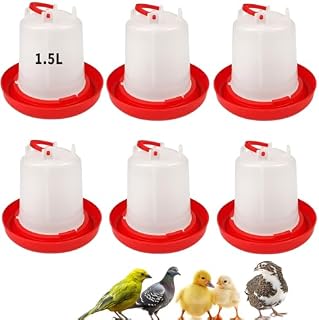 6 Pack 1.5L Gravity-Fed Chick Water for BrooderCheck price on Amazon
CoopKeeperHQ earns a commission if you buy through our links, at no added cost to you. Affiliate disclosure.
What is a duck brooder: essential purpose and design
A duck brooder replaces the warmth and shelter a mother duck provides. In a backyard setting, ducklings need an indoor brooding space because damp conditions and drafts cause chills. While baby chickens also need brooders, ducklings grow faster and handle water differently. The principles covered in our brooder guides apply, but waterfowl demand specialized moisture management from day one.
A practical brooder combines secure walls, a controllable heat source, floor space and absorbent bedding. Designs vary from wire pens to fabric enclosures and wooden boxes. To compare setups, see our review of backyard brooder picks.
Maintain continuous airflow and draft protection
Fresh air circulation is critical inside a duck brooder. Ducklings produce high moisture and wet droppings. An enclosed box traps humid air and ammonia, irritating developing airways. The goal is continuous airflow across the top without drafts across the floor where ducklings rest.
Wooden boxes use solid walls with screened tops, while fabric enclosures use cloth bases with upper mesh panels. Pop-up pens illustrate this design: Pawaboo uses 190T waterproof polyester taffeta along the base and features top mesh with dual-zippered openings that release humidity while containing ducklings. Similarly, LavviTech utilizes 420D Oxford cloth with double mesh doors and a removable roof cover to maintain ventilation. Ensure indoor room air circulates without blowing directly across the pen.
Choose absorbent, slip-resistant bedding
Bedding management is essential when raising ducklings. Because waterfowl splash in water, bedding dampens quickly. Wet litter chills ducklings and damages developing down. Keepers must choose materials that absorb moisture while providing traction for webbed feet.
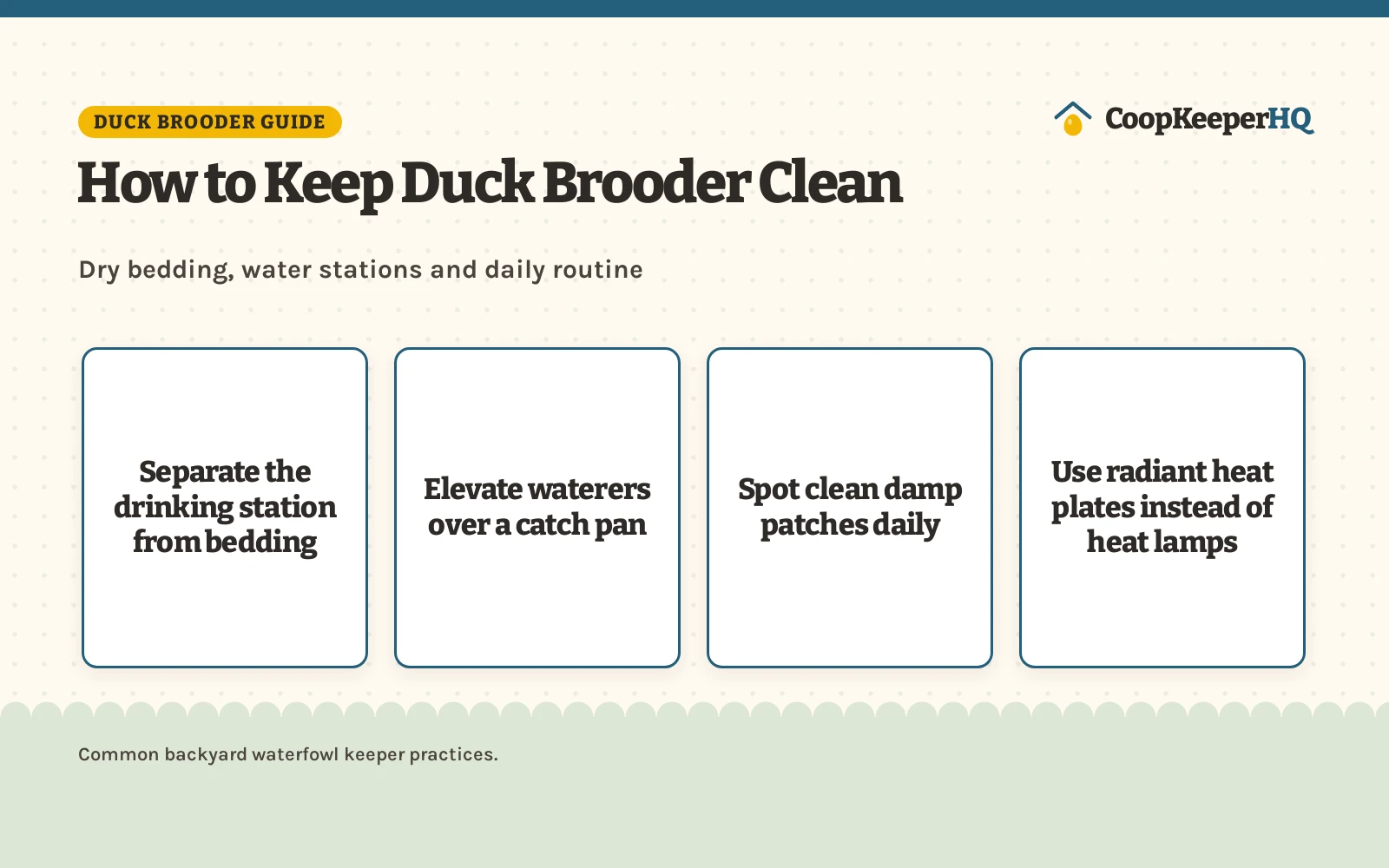
Never place ducklings on slick surfaces like cardboard or newspaper, which cause spraddle leg. Kiln-dried large flake pine shavings offer traction and absorb dampness. Chopped straw and hemp bedding also work well. Avoid cedar shavings completely, as natural cedar oils irritate avian respiratory systems. For bedding comparisons, consult our duck coop bedding guide. Spot-clean wet spots daily and add clean shavings to keep the surface dry.
Provide ample brooder floor space
Ducklings grow rapidly, and an enclosure that feels spacious on day one quickly becomes crowded. Overcrowded brooders become damp and stressful.
Backyard brooder enclosures offer several sizes. Rigid wooden brooder boxes provide structured containment: CroBlissful lists a wooden brooder measuring 40 x 16 x 16 inches with acrylic viewing panels, while HAYOHRT manufactures a fir wood box measuring 31.5 x 15.7 x 15.7 inches rated for 12-15 chicks. The XITIANKJ pine brooder box measures 32 x 16 x 16 inches and lists capacity for up to 20 chicks, while Kinchoix provides an alloy steel brooder measuring 32 x 16 x 16 inches and weighing 44.4 pounds. Because ducklings grow larger than chicks, they need more space than chick ratings suggest. For modular expansion, the VISCOO coated steel pen provides 48 x 24 x 16 inches of space with 0.5 inches between mesh wires and a 600D Oxford cloth mat with 4.7 inches raised sides. Circular fabric pens provide room as well: Paw Libero lists a playpen with a 45 inch diameter and a 19.7 inch wall height, while Pawaboo measures 82.7 x 47.2 x 19.7 inches when zipped together.
Manage water without soaking the bedding
Water is vital for duckling digestion, but managing it in the brooder requires care. Ducklings need water deep enough to dip their bill and clear their nares, the nostrils on their beak. Without bill dipping, feed dust crusts over nostrils. Without a mother duck to spread protective oil over their down, young ducklings lack waterproofing and chill quickly if allowed to swim.
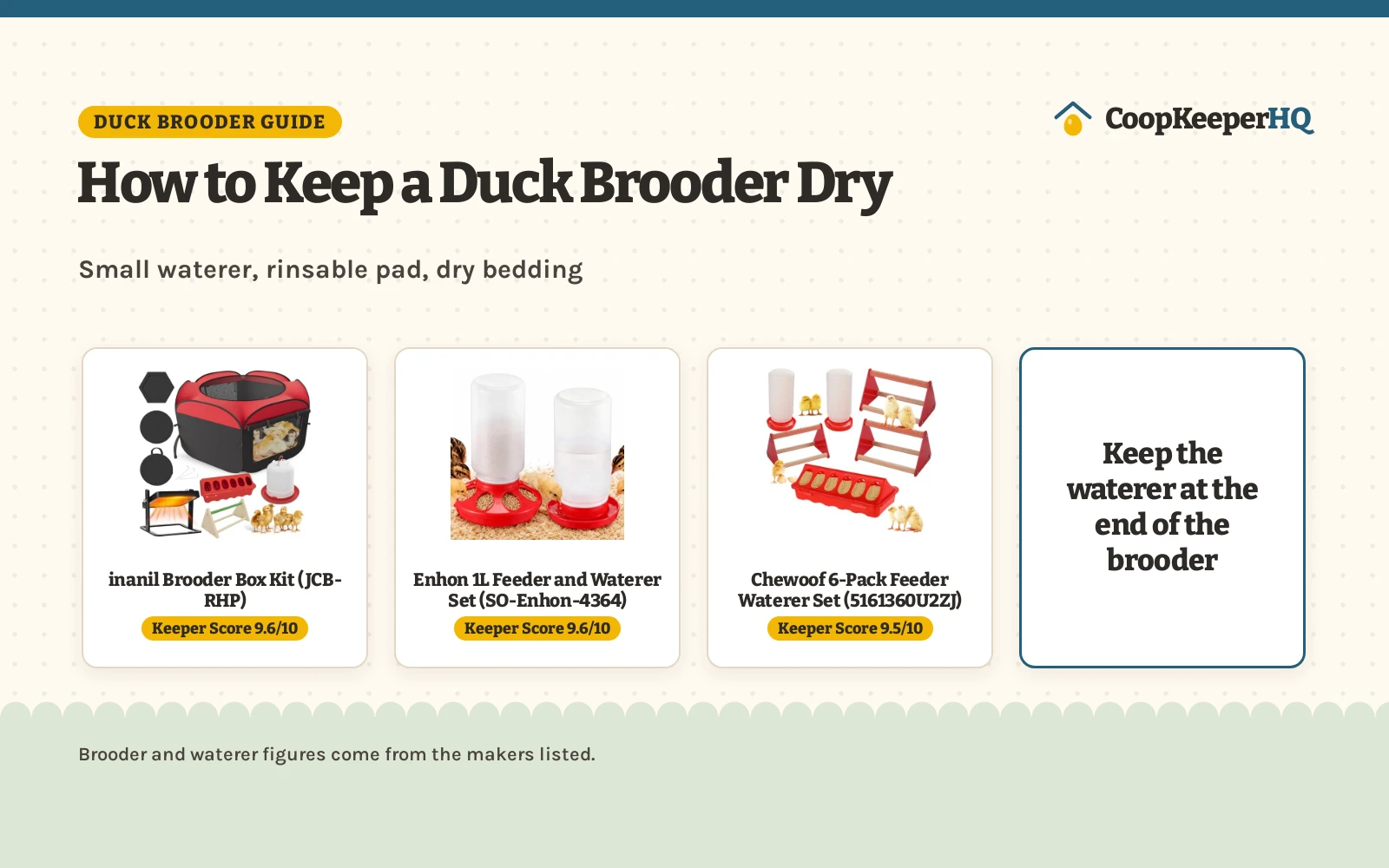
Never place an open swimming bowl inside the brooder. Use poultry drinkers with openings that allow bill dipping while keeping bodies out. CroBlissful includes 2 automatic water feeders designed to dispense water while restricting body access. To keep bedding dry, place the waterer over a plastic tray or elevated wire stand so splashes drain away from pine shavings. Review our duck waterer guide and baby chick waterer picks.
Choose a radiant heat plate over a heat lamp
Maintaining stable, safe warmth is critical for brooding waterfowl. Traditional heat lamps carry severe fire risks, as hot bulbs can ignite dry shavings if knocked down. Continuous lighting also prevents restful dark periods.
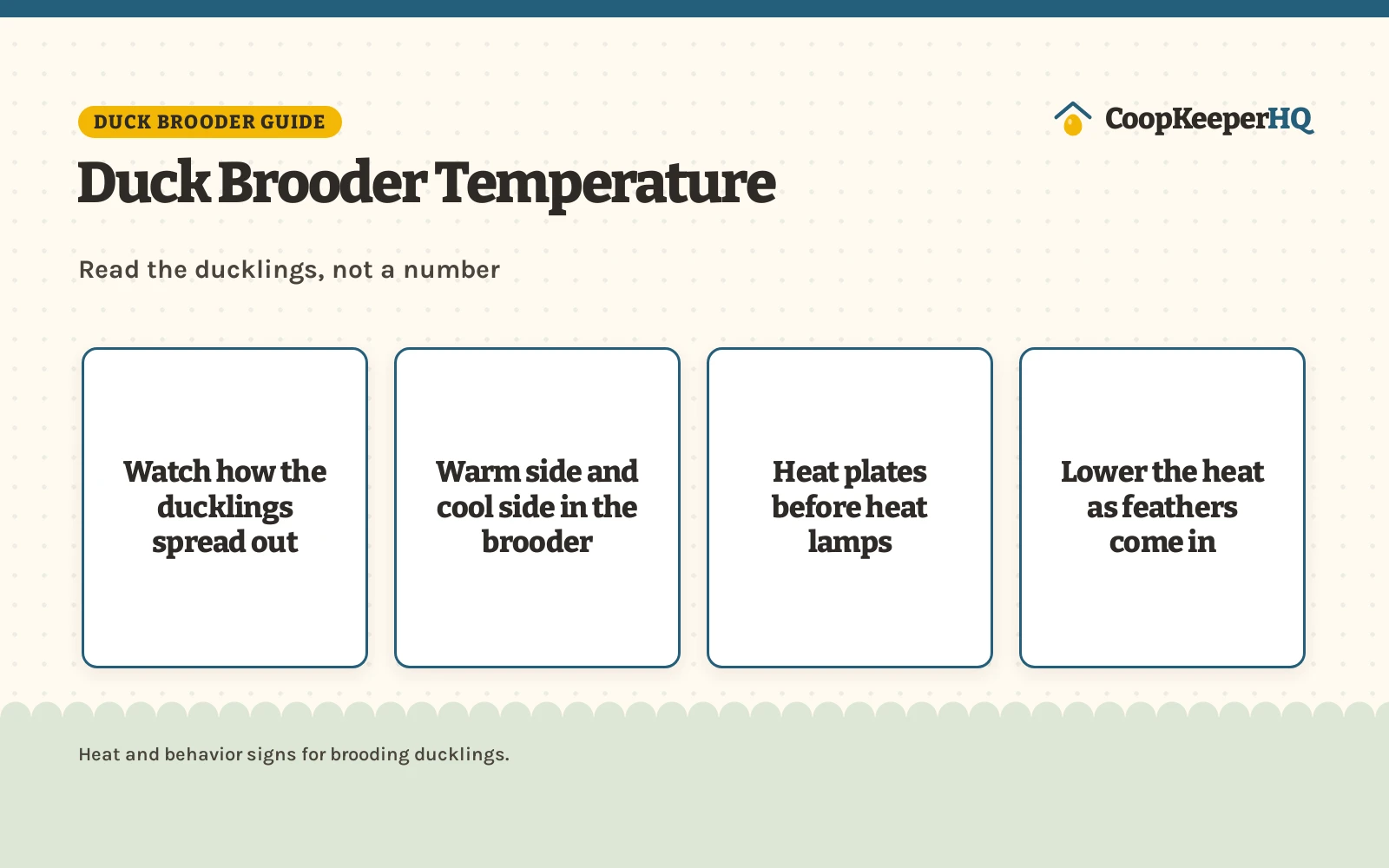
Radiant brooder heat plates offer a safer choice. A plate radiates gentle warmth downward, mimicking a mother duck. Ducklings rest underneath when chilly and emerge into the brooder to eat and drink. The Magicfly kit (on Amazon) includes a 200W heating plate measuring 15 x 11 inches that warms up to 15 chicks, while HAYOHRT includes a 10 x 10 inches heating plate with an adjustable temperature control knob. For heating comparisons, read our brooder heat plate guide and heat plate vs heat lamp comparison. If ducklings show signs of chill, consult a poultry vet or your local agricultural extension service.
Provide proper waterfowl starter feed
Ducklings require a starter crumble formulated for waterfowl with adequate dietary niacin for bone development.
The maker lists Manna Pro duckling starter grower (on Amazon) crumbles with 22% protein in an 8-pound bag, noting added niacin and probiotics for growing waterfowl. Position feed dishes adjacent to drinking water: ducklings take mouthfuls of dry crumble and immediately drink to wash it down. Without immediate water, ducklings struggle to swallow dry crumble. If you have questions about feed selection, consult a poultry vet or your state extension office.
Mind the electrics and cord safety
Because ducklings splash water, brooder electrical safety requires planning. Combining power cords with wet bedding is hazardous, and spilled water can soak loose cords on the floor.
Plug brooder gear into a GFCI protected outlet that cuts power instantly during a fault. Route cords along the exterior or suspend them above ducklings. Pawaboo incorporates zippered top pass-through ports to allow cords to enter from above without resting on the damp floor. Inspect cords frequently for dampness or wear, and keep all connection plugs elevated off the ground.
Daily routine in the duck brooder
A consistent routine keeps ducklings thriving. Visit the brooder in the morning to inspect your flock. Check that every bird is active and moving freely. Empty the drinker, rinse away feed residue, refill with fresh water and replenish starter crumbles.
Inspect bedding around the drinker. Scoop out soaked shavings, wipe the drip pan and scatter dry pine shavings over damp spots. As ducklings grow, raise the heating plate legs so they have comfortable clearance underneath. In the evening, check feed, verify open ventilation and confirm birds settle peacefully under the heat source. If a bird appears weak, contact a poultry vet or extension office promptly.
A simple duck brooder checklist
- Draft-free enclosure with open top ventilation
- Radiant brooder heat plate adjusted to duckling height
- Dry pine shavings or hemp bedding for traction
- Drinker providing depth for bill dipping without swimming
- Drip pan beneath the drinker to catch splashes
- Waterfowl starter crumbles placed adjacent to water
- GFCI protected outlet and elevated power cords
When ducklings grow full adult feathers, they can move outdoors. See our duck house guide to prepare permanent housing.
Birds, breed size, run time and climate in; coop floor, run space, roost length and nesting boxes out.
Heat lamps are a common cause of coop and barn fires. If you use one, secure it with more than the clamp (a chain or wire to a fixed point), keep it well away from bedding, walls and cardboard, and plug it into an outlet or a cord rated for the load. Radiant heat plates run cooler and remove most of that risk. Check chicks often in the first days: huddling under the heat means too cold, spreading to the edges means too warm. Read our Safety Disclaimer.
FAQ for the flock
How warm should a duck brooder be?
Ducklings need gentle warmth from an adjustable radiant heat plate. Rather than tracking fixed room temperatures, watch flock behavior: comfortable birds rest quietly under the plate, while chilled ducklings cluster and cry. Adjust plate height as birds grow, and consult your extension office for local advice.
Can ducklings swim in a brooder?
No. Young brooder ducklings lack waterproof down and chill quickly if allowed to swim. Restrict water to drinkers that allow bill dipping while keeping birds out of the water.
What bedding is safest for a duck brooder?
Kiln-dried pine shavings, chopped straw and hemp bedding absorb moisture and offer traction that prevents spraddle leg. Avoid slick newspaper, and never use cedar shavings because aromatic oils irritate respiratory tracts.
How is a duck brooder different from a chick brooder?
A duck brooder demands greater moisture control and faster expansion. Ducklings splash heavily, produce wetter droppings and grow faster than chicks, requiring larger pens and frequent bedding maintenance.
When can ducklings leave the brooder?
Ducklings can leave the brooder once they grow full adult feathers and can regulate body temperature outdoors. Transition them gradually to an outdoor coop and secure run.