Electric Fence Tester vs Multimeter: Which One Should You Buy?
Fence testers read the high-voltage pulses an energizer sends down the wire, while a shop multimeter is not built for that job.


On this page
Top picks at a glance
As an Amazon Associate I earn from qualifying purchases.
- 1
 ALLOSUN GK503C NEON Electric Fence Voltage Tester9.6/10View on Amazon
- 2
 Neoteck 700-8000V Electric Fence Voltage Tester with 8 Neon9.6/10View on Amazon
- 3
 Farmily Multi Light Electric Fence Voltage Tester for Horse9.5/10View on Amazon
- 4
 ALLOSUN Electric Fence Tester Fault Finder Digital ElectricView on Amazon
- 5
 Neoteck 2000-12000V Electric Fence Voltage Tester with 8 NeonView on Amazon
- 6
 Gallagher Digital Electric Fence Tester Digital Fence TesterView on Amazon
- 7
 Wireless Electric Fence Voltage TesterView on Amazon
- 8
 Electric Fence Voltage Tester Neon Lights Farming EquipmentView on Amazon
- 9
 7000V Electric Fence Tester ABS Eight Light Indicator VoltageView on Amazon
A fence that looks fine can still be dead. The charger hums, the wire stands tight, but a weed leaning on the line or a cracked insulator can bleed the pulse away before it reaches the far corner. That is what electric fence tester vs multimeter is really about: the right tool for reading a fence, and why the shop meter in the toolbox is the wrong one for the job.
Other options for the coop
 ALLOSUN Electric Fence Tester Fault Finder Digital ElectricCheck price on Amazon
 Neoteck 2000-12000V Electric Fence Voltage Tester with 8 NeonCheck price on Amazon
 Gallagher Digital Electric Fence Tester Digital Fence TesterCheck price on Amazon
 Wireless Electric Fence Voltage TesterCheck price on Amazon
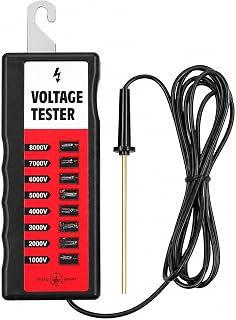 Electric Fence Voltage Tester Neon Lights Farming EquipmentCheck price on Amazon
 7000V Electric Fence Tester ABS Eight Light Indicator VoltageCheck price on Amazon
CoopKeeperHQ earns a commission if you buy through our links, at no added cost to you. Affiliate disclosure.
electric fence tester vs multimeter: what each tool does
A fence tester is built for one job: reading the high-voltage pulses an energizer sends down the wire. The listings here measure from a few hundred volts up to 15,000 V, and the SmartFix fault finder does more than read: its directional arrows point toward the short. A standard multimeter is a shop meter for circuits and batteries, not for fence pulses, so it stays in the toolbox for this job.
The practical difference is what happens after the reading. A fence tester tells you the line is live and how strong the pulse is; a fault finder also helps track the leak, and the SmartFix points toward the short with directional arrows. If all you want is a yes-or-no glance from the gate, an LED indicator clipped to the wire does that with no batteries at all.
The gear: four fence checkers, ranked
Ranked from the most capable fault finder to the simplest monitor, by stated specs:
1. Gallagher SmartFix fence volt and current meter
The listing states both voltage and current measurement on a clear digital screen, with directional arrows that show which way the fault lies. It works with high-tensile wire, braid, tape, polywire and netting, and the maker describes it for portable and permanent setups alike. The case is weather-resistant with a backlit LCD for low light, it runs on a replaceable 9V battery, and it fits in a pocket or tool bag at 3 x 5 x 9 inches. The warranty is 1 year and the spec sheet notes REACH compliance. For a keeper who wants to find the short, not just read the volts, this is the most complete tool of the four.
2. FenceMate digital volt meter, up to 15,000 V
The widest range in the set: the listing states measurement up to 15,000 V on a large LCD that reads outdoors, with automatic on and off and reverse connection protection. A 9V battery is included in the box, and the spec sheet lists CE, RoHS and UL. It reads pulse-type fence chargers, lines and the earth system. It does not find faults the way the SmartFix does, but for a straight voltage reading it covers the biggest span here. See the electric fence tester picks for more voltage readers.
3. ALLOSUN EM555 fence tester and fault finder
The listing states a measurement range of 0.3kv to 9.9kv on an LCD, with a 57 inch wire lead for reaching the line. It turns on when it detects a pulse and switches off about 4 seconds after the pulses stop, and the maker describes it for regular fence line maintenance and finding faults. It weighs 10.56 ounces at 2.76 x 1.38 x 6.89 inches, runs on a 9V battery that is not included, and carries a 1 year manufacturer warranty. A solid middle pick: real fault finding at a simpler level than the directional meter.
4. Gallagher live fence indicator
The simplest tool here and the only one with no batteries: it draws power from the fence line itself and flashes an LED with each pulse when voltage exceeds 3,000V. The flash is visible up to 3,000 feet away at night, and the unit is UV and water-resistant with a low-voltage cutoff. It clips to wire or tape in seconds with no tools. One honest note: the spec table on this listing reads like it belongs to fence wire, with strand counts and footage figures, so trust the title and bullets over the table. For a glance check from the gate, nothing here is easier.
Voltage ranges: match the meter to the fence
The stated ranges run from 0.3kv to 9.9kv on the ALLOSUN and up to 15,000 V on the FenceMate, with a 3,000V flash threshold on the Gallagher indicator; the SmartFix listing states no range. The 15,000 V ceiling matters most for long runs on hot chargers. The indicator is not a meter at all, it only answers whether the pulse is above 3,000V. Pick the range for the fence you have, not the biggest number on the shelf.
When the reading drops: finding the fault
A low reading means the pulse is leaking somewhere, and that is where a fault finder earns its keep. The SmartFix reads current as well as voltage and its arrows point toward the short, so you walk the line in the right direction instead of guessing. The ALLOSUN is described as a fault finder too, at a simpler level. Start at the energizer and work outward: check the charger output first, then the cut-off switches, then walk the line looking for weeds, broken insulators and loose connections. The solar vs AC charger comparison helps if the charger itself turns out to be undersized for the run.
Birds, breed size, run time and climate in; coop floor, run space, roost length and nesting boxes out.
Wash your hands after handling birds, eggs or equipment, supervise children around the flock, and check local rules on flock size and roosters before you buy. For sick birds, call a poultry veterinarian or your state extension office. See CDC backyard poultry guidance. Read our Safety Disclaimer.
FAQ for the flock
Can a regular multimeter read an electric fence?
It should not be your tool for this. Fence energizers send high-voltage pulses, and the listings here read up to 15,000 V. A dedicated fence tester is built for those pulses; a shop multimeter is not. Keep the multimeter for circuits and batteries.
What voltage should my chicken fence read?
These listings state no target number, so there is no single figure to quote. The Gallagher indicator treats anything above 3,000V as a live fence. If your readings fall well below what the fence usually shows, walk the line for faults rather than chasing a number.
How do I find a short on the fence line?
Use a fault finder if you have one: the SmartFix shows voltage and current with arrows pointing toward the short. Without one, check the energizer output first, then walk the line for weeds touching the wire, cracked insulators and loose connections. The electric netting vs polywire comparison notes which fence types hide faults best.
Do fence testers need batteries?
Three of the four do. The ALLOSUN runs on a 9V battery that is not included, the SmartFix uses a replaceable 9V, and the FenceMate includes its 9V in the box. The Gallagher indicator needs none at all, since it powers itself from the fence line.
Can I leave a monitor on the fence?
Yes, that is what the Gallagher indicator is for. It clips to wire or tape in seconds, flashes with each pulse above 3,000V, and is UV and water-resistant for year-round outdoor use. The flash carries up to 3,000 feet at night, so you can check the fence from the house.
More coop guides
- Best Solar Electric Fence Charger for Chickens: 4 Top Netting Energizers
- Briidea Electric Fence Energizer Review: Pros, Cons & Who It’s For
- Aluminum vs Steel Electric Fence Wire: Which One Should You Buy?
- Lithium vs Lead Acid Fence Battery: Which One Should You Buy?
- Best Poultry Netting for Backyard Flock (2026)
- Solar vs Ac Electric Fence Charger: Which One Should You Buy?
See the chicken coop picks and the coop supply guides.