How to Deter Raccoons From Chicken Coop
Lock the coop at dusk, fit latches raccoons cannot open, cover gaps with hardware cloth, and keep feed sealed.

On this page
Top picks at a glance
As an Amazon Associate I earn from qualifying purchases.
- 1
 SANKINS Self-Locking Gate Latch for Wood Gate9.6/10View on Amazon
- 2
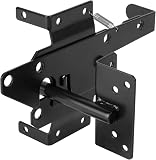 HILLMASTER Self-Locking Gate Latch for Wooden Fence9.6/10View on Amazon
- 3
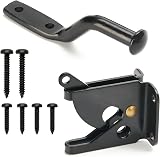 Qualihome Self Locking Automatic Gravity Lever Fence Gate9.6/10View on Amazon
- 4
 Coyote Deterrent Solar Predator Control LightView on Amazon
- 5
 MAGIC CAT 4 Pack Solar Animal Repeller OutdoorView on Amazon
- 6
 18 Pack Solar Control Light Nocturnal Animal RepellerView on Amazon
- 7
 12 Pack Solar Control Light Nocturnal Animal RepellerView on Amazon
- 8
 4 Pack Control Light Nocturnal Animal Repeller OutdoorView on Amazon
Morning chores start with scattered feed, a latch flipped open, and a hen missing from the roost. How to deter raccoons from chicken coop is a question every keeper asks after the first night visit, and the answer is plain: close every opening, fit latches a raccoon cannot work, and take away the food that brings them back. This guide walks through the routine, the hardware, and the yard habits that keep a flock safe overnight.
Other options for the coop
 Coyote Deterrent Solar Predator Control LightCheck price on Amazon
 MAGIC CAT 4 Pack Solar Animal Repeller OutdoorCheck price on Amazon
 18 Pack Solar Control Light Nocturnal Animal RepellerCheck price on Amazon
 12 Pack Solar Control Light Nocturnal Animal RepellerCheck price on Amazon
 4 Pack Control Light Nocturnal Animal Repeller OutdoorCheck price on Amazon
CoopKeeperHQ earns a commission if you buy through our links, at no added cost to you. Affiliate disclosure.
How to deter raccoons from chicken coop: start with the routine
Raccoons visit at night, and they come back when the visit pays. A coop that offers an open pop door, a loose latch, or a feed bin left open is an easy meal, and a raccoon that eats well tonight will return. Deterring raccoons is less about one clever device and more about a routine that leaves nothing for them to eat and no way in. Lock the coop at dusk, check the latches, and put the feed away every night, and the visits stop paying.
Walk the coop and the run in daylight, and look at it the way a raccoon would. Check the pop door, the nest box lids, the vents, and the corners where wire meets wood. Look for gaps, loose staples, and wood that has rotted soft enough for claws to work. Fix what you find before dark, since a gap you can see is a gap a raccoon can find at night.
Lock the pop door at dusk
The pop door is the door the hens use to reach the run, and it is one of the first places a raccoon tries. Shut it at dusk, every night, and open it again in the morning once the flock is up. A door left open for one night is all a raccoon needs, and a flock that roosts behind a shut door is a flock a raccoon cannot reach.
If dusk finds you away from home, an automatic door shuts on its own. Our automatic coop door guide compares the options. Whether you shut the door by hand or by motor, check that it closes all the way and that the latch catches.
Fit latches raccoons cannot open
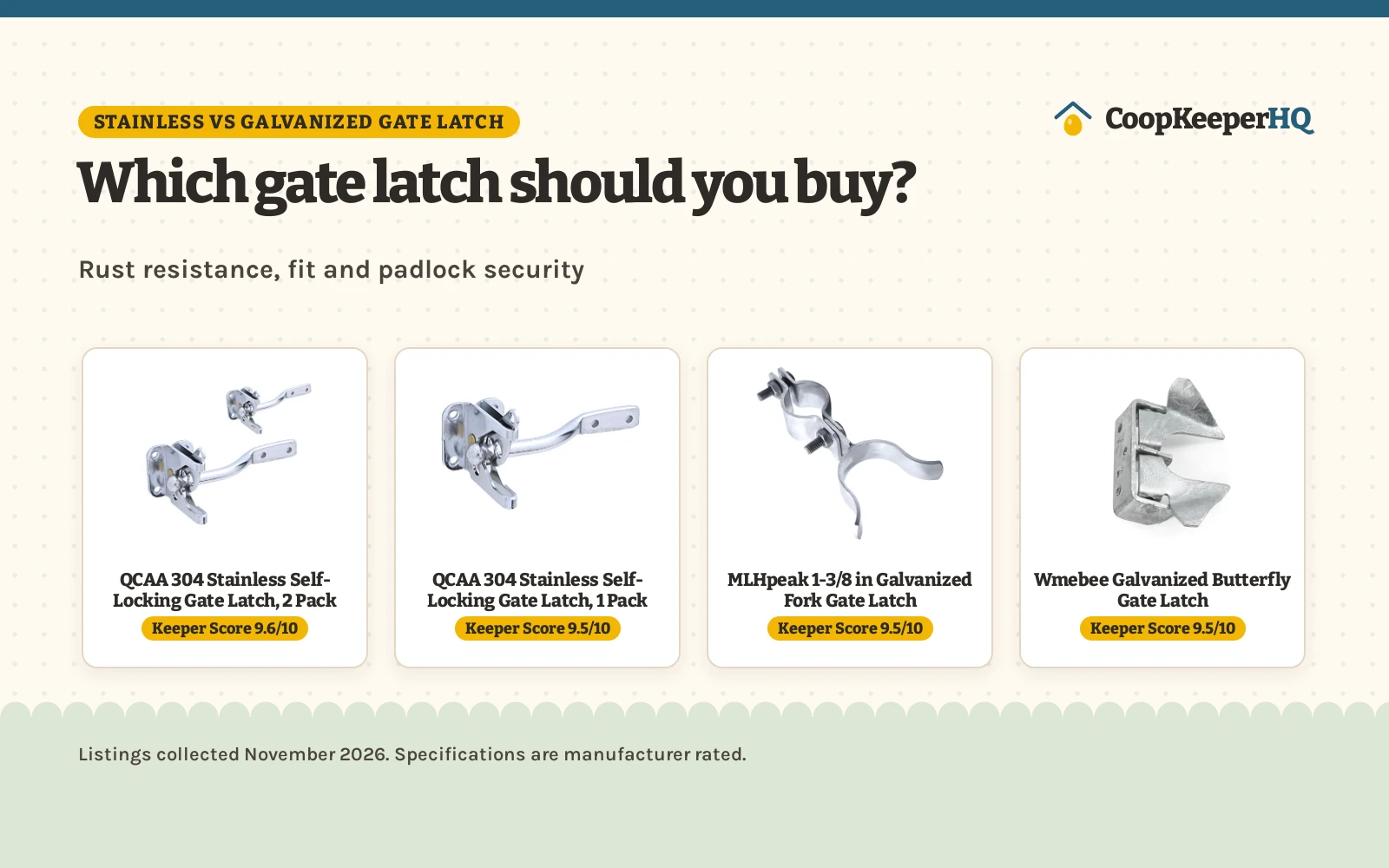
Raccoons work with their paws, and a simple hook or slide bolt is a puzzle they can solve. A latch that needs a thumb to press, a carabiner clip, or a lock that turns is harder for a raccoon to work than a simple hook. One listing describes a stainless steel latch that opens easily for people and is almost impossible for animals to work, and that is the kind of latch to fit on a coop door. Our raccoon proof latch guide compares the options.
Fit a locking latch on every door a raccoon can reach: the pop door, the main door, and the nest box lids. A nest box lid with no latch is an open invitation, since a raccoon can lift it and take eggs or a hen. Check each latch by pulling on the door after you fit it, and replace any latch that moves loose. A latch is only as good as the screws that hold it, so use screws that bite into solid wood.
Cover gaps with hardware cloth
Chicken wire keeps hens in, but it does not keep raccoons out. A raccoon can tear chicken wire and reach through it to grab a hen that roosts close to the wall. Hardware cloth is the fix: a welded wire mesh that holds its shape when a raccoon pulls on it. Cover every opening with it, from the vents down to the gaps where the walls meet the floor, and fasten it with screws and washers so it holds firm against pulling.
Look for gaps at the corners, around the pop door frame, and where the roof meets the walls. A gap that looks too small for a raccoon can still let a paw through, and a paw through the wire is enough to hurt a hen. Our hardware cloth for raccoons guide covers the mesh, and our hardware cloth for chicken coops guide covers the fit. Keep the roosts away from the walls so a hen never sleeps within reach.
Keep feed and bins sealed
Feed is the reward that brings raccoons to the coop, and a feed bin with a loose lid is a dinner bell. Keep feed in a bin with a lid that locks shut, and put the bin inside the coop or in a shed a raccoon cannot enter. The same straps that hold a trash can lid shut hold a feed bin lid shut, and the listings give useful figures for the fit.
The SUIFALY straps adjust from 12.6 to 16.5 inches, with metal hardware and a locking buckle. The listing disagrees with itself on fit: the title says the straps fit bins from 28 to 96 gallons, while the bullets say 28 to 100 gallons, so check the strap length against the bin before you buy. The Dicunoy straps (on Amazon) adjust from 30 to 54 inches and are 2 inches wide, with a heavy iron hook. The Azumavi strap (on Amazon) extends from 23 to 43 inches, has metal double claws with a 0.4-inch diameter, and stays flexible to -20°F. The Oscarmegan straps fit cans from 25 to 41 inches and bins from 28 to 96 gallons. Pick the strap whose range matches the bin, and fit it tight so the lid cannot lift.
The SUIFALY listing calls for a drill bit of 8 mm, or 5/16 inch, to fit the screws, and the Wuno Shop straps fit bins from 30 to 50 gallons. Do not leave feed in the run overnight, and sweep up spills before dusk. A clean run with no feed on the ground gives a raccoon no reason to stay.
Clear the yard of rewards
A raccoon that finds food in the yard may check the coop next. Bring pet food inside at night, pick up fallen fruit, and keep the compost heap covered or fenced off. Empty standing water where you can, and keep the trash cans shut with the same straps that hold the feed bin. A yard with no easy food is a yard a raccoon passes through.
Lights help a little, and a motion light over the coop can startle a raccoon on the first visit. Our predator deterrent light guide covers the options. Lights alone will not hold a hungry raccoon off for long, so treat them as a helper to the locks and the wire.
A simple checklist
- Shut the pop door at dusk, every night, and check that the latch catches
- Fit a locking latch on the pop door, the main door, and the nest box lids
- Cover every gap with hardware cloth, fastened with screws and washers
- Keep feed in a bin with a lid that locks shut, and sweep up spills before dusk
- Bring pet food inside, pick up fallen fruit, and keep the trash cans shut
- Walk the coop and the run in daylight and fix gaps before dark
Birds, breed size, run time and climate in; coop floor, run space, roost length and nesting boxes out.
Wash your hands after handling birds, eggs or equipment, supervise children around the flock, and check local rules on flock size and roosters before you buy. For sick birds, call a poultry veterinarian or your state extension office. See CDC backyard poultry guidance. Read our Safety Disclaimer.
FAQ for the flock
Will a raccoon open a simple latch?
A raccoon can work a simple hook or slide bolt with its paws, so a plain latch is not enough. Use a locking latch, a carabiner clip, or a latch that needs a thumb to press. Check each latch by pulling on the door after you fit it, and replace any latch that moves loose.
Do I need to lock the coop every night?
Yes. Raccoons visit at night, and a pop door left open for one night is all they need. Shut the pop door at dusk and open it again in the morning. If dusk finds you away from home, an automatic coop door shuts on its own.
What keeps raccoons out of the feed bin?
A lid that locks shut. Straps made for bins hold the lid down: the SUIFALY straps adjust from 12.6 to 16.5 inches, the Dicunoy straps adjust from 30 to 54 inches, and the Azumavi strap extends from 23 to 43 inches. Keep the bin inside the coop or a shed, and sweep up spilled feed before dusk.
Can raccoons climb into the run?
Raccoons climb well and dig, so a run needs a cover on top and wire that runs to the ground. Check the corners and the base of the run for gaps, and keep the wire tight. Our predator proofing guide walks through the run from top to base.
Should I trap a raccoon?
Check local, HOA and state rules before you trap or move a raccoon, since the rules vary by place and trapping is not allowed everywhere. Our raccoon trap guide covers the options where trapping is allowed. A locked coop and a clean yard will keep most raccoons away.
More coop guides
- Best Raccoon Proof Latch for Chicken Coop (2026)
- Best Hardware Cloth for Raccoons: 5 Rolls That Hold a Run Together
- How to Predator Proof a Chicken Run
- Best Automatic Chicken Coop Door: Picks for Every Season
- Best Predator Deterrent Light for Large Yard (2026): 5 Picks Compared
- Best Way to Trap a Raccoon Around Your Coop
- Best Hardware Cloth for Chicken Coop Runs and Aprons
- Best Raccoon Trap (2026)
See the predator protection guides and the predator proofing guide for the run.