Types of Egg Cartons: Guide for Backyard Flocks
A complete guide to types of egg cartons, comparing molded paper pulp, clear plastic, cell sizing and closures for storing fresh backyard poultry eggs.

On this page
Top picks at a glance
As an Amazon Associate I earn from qualifying purchases.
- 1
 EVANCENT 100 Pack Large Egg Cartons9.7/10View on Amazon
- 2
 40 Pack Half Dozen Egg Cartons Bulk 6 Count9.6/10View on Amazon
- 3
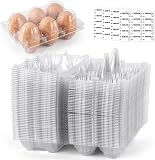 60 PCS Plastic Egg Cartons Bulk with Date Labels9.6/10View on Amazon
- 4
 20 Pack Half Dozen Egg Cartons Bulk 6 CountView on Amazon
- 5
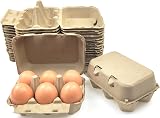 Azatemgo Half Dozen Egg Cartons 40 Pack Pulp FiberView on Amazon
- 6
 40 Pack Egg Cartons Cheap BulkView on Amazon
- 7
 50 PCS Paper Egg CartonsView on Amazon
- 8
 MT Products Blank Natural Pulp Egg Cartons BulkView on Amazon
- 9
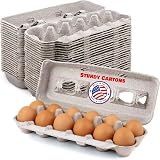 MT Products Blank Natural Pulp Egg Cartons Holds Up to TwelveView on Amazon
Walking out to the coop with an egg basket and bringing back clean, fresh eggs is a daily highlight of backyard flock keeping. Choosing among the different types of egg cartons comes down to your storage routine, shell sizes, humidity levels, and whether you plan to share eggs with neighbors. Molded paper pulp cartons, clear plastic containers, foam cartons, and open filler flats each serve distinct roles in keeping shells safe and sound.
Other options for the coop
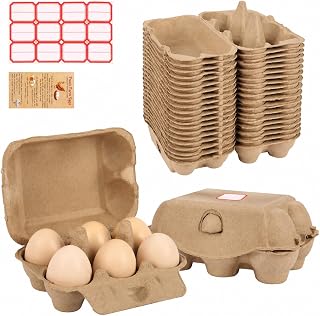 20 Pack Half Dozen Egg Cartons Bulk 6 CountCheck price on Amazon
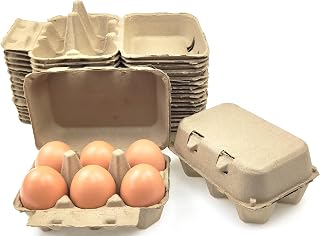 Azatemgo Half Dozen Egg Cartons 40 Pack Pulp FiberCheck price on Amazon
 40 Pack Egg Cartons Cheap BulkCheck price on Amazon
 50 PCS Paper Egg CartonsCheck price on Amazon
 MT Products Blank Natural Pulp Egg Cartons BulkCheck price on Amazon
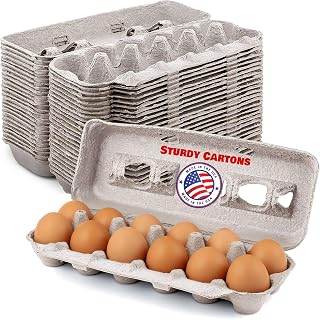 MT Products Blank Natural Pulp Egg Cartons Holds Up to TwelveCheck price on Amazon
CoopKeeperHQ earns a commission if you buy through our links, at no added cost to you. Affiliate disclosure.
Types of egg cartons: comparing core materials
The material of an egg carton determines how well it cushions shells against impacts, handles moisture, and supports everyday handling around the coop and kitchen. Backyard keepers encounter popular container materials on the market, alongside traditional foam and bulk handling trays.
Molded paper pulp is the classic standard for backyard poultry eggs. Made from recycled paper pulp fibers, these cartons provide natural breathability and absorb ambient humidity, which helps prevent condensation from settling on eggshells. Pulp fiber offers thick cushioning that shields fragile shells during transport. Pulp cartons are also biodegradable and backyard compostable when worn out. The flat paper surface accepts rubber stamps, marker labels, and tracking stickers, making it simple to record laying dates or customize packages for friends. The main limitation is that paper pulp cannot be washed; if an egg cracks and soils a pocket, that carton must be discarded or composted.
Clear plastic cartons are typically molded from clean polyvinyl chloride or recycled plastic. Their greatest advantage is complete transparency: keepers and customers can inspect shells, check cleanliness, and admire mixed shell colors without unbuckling the lid. Plastic provides a rigid outer shell that resists external moisture and spills. Unlike pulp, plastic containers can be hand washed with mild soap and water, dried, and used repeatedly. However, non-porous plastic does not absorb moisture, so warm eggs placed into sealed plastic can develop surface condensation if temperature swings occur.
Expanded polystyrene foam cartons remain common in commercial grocery distribution due to their light weight and insulation properties. Foam protects eggs from brief drafts and provides soft pocket cushioning. However, foam is brittle, crushes easily under point loads, and is neither biodegradable nor easily recycled. Most backyard keepers avoid foam in favor of sustainable pulp or durable clear plastic.
Open filler flats are lidless trays molded in wide grids, holding eggs in open rows. While not suitable for stacking in small refrigerators or handing to neighbors, flats are practical for collecting daily harvest baskets, holding eggs at a cleaning station, or organizing eggs before loading into an incubator. For alternative collection and countertop setups, our egg carton alternative guide explores wire baskets and holders.
Container dimensions and stated specifications
Egg carton dimensions vary based on cell depth, perimeter flanges, and locking mechanisms. Citing published listing measurements helps keepers verify shelf fit before ordering bundles.
DecarDamai lists a molded paper pulp carton measuring 6.1 x 4.5 x 2.76 inches, designed with individual cells measuring 3 inches high by 2 inches in diameter. The listing notes an item weight of 16 ounces for its packaged bundle.
JAPCHET lists clear polyvinyl chloride plastic cartons measuring 5.8 x 4 x 2.4 inches (148 x 102 x 62 mm). These compact containers provide an internal pocket depth designed to prevent breakage during transport.
LayHyand specifies a paper pulp container measuring 5.8 x 3.97 x 2.69 inches. The maker states the carton accommodates small and normal chicken eggs, but specifically notes that it does not fit large chicken eggs, duck eggs, or goose eggs.
Azatemgo lists pulp fiber cartons measuring 5.9 x 3.94 x 2.75 inches (15 x 10 x 7 cm), with an item weight of 1.34 kg for the package. The manufacturer specifies that each container holds 6 eggs weighing less than 60 grams each, and its 40 carton bundle holds a total of 240 eggs.
Ccuiicy lists natural paper pulp cartons with a package weight of 1.38 kg, holding 6 eggs arranged in a 2×3 grid pattern.
MUKLEI lists natural paper pulp containers measuring 6 x 4.5 x 2.8 inches (15.5 x 11.5 x 7 cm) with an overall package weight of 1.93 kg, featuring convex shaping to accommodate varying shell shapes.
TAICHEUT lists clear polyvinyl chloride plastic cartons measuring 14.8 x 10.2 x 6.2 cm (5.83 x 4.02 x 2.44 inches) with a package weight of 1220 g. The maker specifies an individual compartment size of 3.1 cm.
IHDYPPEW lists pulp egg containers with a packaged weight of 1.92 kg for its bundle.
Half dozen cartons and compact grid layouts
While grocery stores often stock longer containers, half dozen cartons arranged in a 2×3 grid are the preferred format for many backyard flock owners. A 2×3 configuration forms a neat rectangular block that sits firmly on refrigerator door shelves or wire racks without tipping over.
Holding 6 eggs at a time matches the daily laying volume of small backyard flocks. Rather than leaving a large carton half-empty for days while waiting for more hens to lay, keepers can fill and seal a half dozen box quickly. This keeps collection batches organized by date. Compact cartons are also practical when sharing fresh eggs with family or neighbors, offering a charming gift size without depleting the home supply. For top options in this layout, our half-dozen egg cartons roundup compares styles.
Matching carton wells to poultry species and egg sizes
Egg sizes vary dramatically across chicken breeds and poultry species, and using the wrong carton well can lead to hairline cracks or unclosed lids.
Pullet eggs and small heritage chicken eggs can rattle inside oversized wells, risking shell cracks during movement. For young layers, our egg cartons for small eggs guide highlights snugger cell designs.
Standard and extra-large eggs from production breeds like Australorps, Leghorns, and Orpingtons require generous pocket height. If the cell is shallow, the blunt top of the egg rises above the rim, and closing the lid puts direct pressure on the shell apex. When hens lay jumbo eggs or double-yolkers, look for deeper profiles highlighted in our egg cartons for large eggs guide.
Duck eggs require cartons with wide cell bases and taller headroom. A standard chicken egg pocket will pinch the waist of a duck egg, preventing it from resting on the bottom of the well. MUKLEI states its pulp cartons accommodate both chicken eggs and duck eggs due to convex shaping, whereas LayHyand explicitly cautions that its containers do not fit duck or goose eggs. For dedicated waterfowl flocks, consult our duck egg cartons guide.
Quail eggs cannot be safely cushioned in standard chicken cartons without shifting. While LayHyand notes its cells can hold large quail eggs loosely, Coturnix quail eggs typically require dedicated multi-cell quail cartons with miniature pocket diameters.
Closures, interior pillars and structural strength
The structural details of a carton determine how well it protects eggs when stacked or carried. Paying attention to locking clasps and vertical supports prevents messy kitchen accidents.
Carton closures fall into single-latch designs and dual-buckle systems. DecarDamai and IHDYPPEW feature front clasps that press over outer studs to fasten the lid. JAPCHET and Azatemgo incorporate 2 buckles along the front edge, providing dual locking points that prevent the cover from swinging open if the carton is lifted by its end. TAICHEUT uses molded snap closures that click firmly into place on clear plastic.
Crush resistance relies heavily on interior pillars. Molded pulp cartons from DecarDamai and clear plastic models from JAPCHET incorporate vertical center cones that extend from the bottom tray to meet the underside of the lid. When another container or pantry item is placed on top, these interior pillars transfer the downward weight directly through the center column rather than allowing the lid to bow downward onto delicate eggshells.
Lid geometry also influences storage practicality. Cartons with flat tops stack neatly without wobbling. Flat paper lids also provide an unobstructed surface for pencil dates, custom stamps, and farm stickers. If you want to personalize cartons, our egg stamps for chicken eggs guide covers durable food-grade marking options.
Carton choices for home storage versus farm stand sales
Backyard keepers storing eggs strictly for home consumption have different priorities than keepers selling cartons at local farm stands or community markets.
For home kitchens, reusable containers offer long-term utility. Clean plastic containers can be hand washed after each use, preventing carton waste. If you keep unwashed eggs on the kitchen counter to preserve the natural bloom, pulp cartons protect eggs from direct sunlight and ambient drafts. For guidance on washing and storage longevity, see our guides on how to clean fresh eggs and how long fresh eggs keep.
For farm stands, farmers markets, and roadside sales, clean blank cartons create an appealing, professional presentation. WIKDAY includes date tracking stickers and care guides with its pulp cartons to help customers manage egg freshness. Bundles are sold in varied pack sizes depending on flock output: DecarDamai provides bundles of 20 cartons; Azatemgo and Ccuiicy offer 40 cartons; LayHyand, JAPCHET, IHDYPPEW, WIKDAY, and MUKLEI supply 50 cartons; TAICHEUT provides 100 cartons; and JAPCHET offers bundles of 150 cartons. For cost considerations and sales packaging advice, explore our guides on cost of egg cartons and egg cartons for selling eggs. Always check local, HOA and state rules regarding packaging and labeling requirements before selling farm eggs.
A simple egg carton checklist
- Carton material matches your moisture conditions and disposal preference
- Cell height and diameter fit your flock species without pinching shells
- Front clasp or dual buckles lock firmly to avoid accidental opening
- Center pillars support overhead weight during refrigerator stacking
- Flat top surface provides adequate space for dating and labeling
- Carton bundle size aligns with your weekly laying volume
What a dozen of your own eggs really costs, with and without startup costs, against the store price.
Wash your hands after handling birds, eggs or equipment, supervise children around the flock, and check local rules on flock size and roosters before you buy. For sick birds, call a poultry veterinarian or your state extension office. See CDC backyard poultry guidance. Read our Safety Disclaimer.
FAQ for the flock
Which egg carton material is most practical for backyard eggs?
Molded paper pulp is widely favored because it cushions fragile shells, absorbs moisture, and can be composted. Clear plastic is preferred when you want buyers to view colorful shells without opening the lid, or when you need washable, reusable containers.
Can paper pulp egg cartons be reused?
Paper pulp cartons can be reused multiple times as long as they remain clean and completely dry. However, because porous pulp fibers absorb moisture and cannot be washed, any carton that becomes soiled with broken egg yolk or dirt should be composted.
Do duck eggs fit in standard chicken egg cartons?
Standard chicken egg cartons are generally too shallow and narrow for duck eggs. For example, LayHyand notes its standard containers do not fit duck eggs. Waterfowl eggs require specialized cartons with wide wells, or designs with convex walls such as those listed by MUKLEI.
Why do egg cartons have center pillars?
Center pillars are vertical posts molded into the middle of the tray that extend to support the lid. They absorb downward pressure when cartons are stacked, preventing the top lid from sagging and crushing eggs underneath.
Should eggs be stored pointed end down in cartons?
Yes, storing eggs pointed end down keeps the internal air cell positioned at the blunt top end of the shell. This orientation helps prevent the yolk from settling against the shell membrane, maintaining internal quality during storage.
More coop guides
- Cost of Egg Cartons: Guide for Backyard Flocks
- Best Egg Cartons for Selling Eggs at a Farm Stand
- Egg Carton Alternative: Which One Should You Buy?
See the egg handling category for more flock storage guides.