Best Egg Laying Quail (2026)
Why Coturnix quail lead backyard egg production, with practical advice on cage setups, shelter needs and daily flock care routines.

On this page
Top picks at a glance
As an Amazon Associate I earn from qualifying purchases.
- 1
 Hatching Time Quail Breeding Cage IndoorView on Amazon
- 2
 1 Additional Layer for Quail Breeding CageView on Amazon
- 3
 2 Additional Layers for Quail Breeding CageView on Amazon
- 4
 Hova-Bator GQF Automatic Egg TurnerView on Amazon
- 5
 40 Quail Egg Incubator with Automatic Egg Turning HumidityView on Amazon
- 6
 Quail Egg Incubator with Automatic Turner and HumidityView on Amazon
- 7
 60 Pcs Quail Egg CartonsView on Amazon
- 8Quail Egg Incubator for Hatching 40 Quail Eggs with AutomaticView on Amazon
Gathering fresh eggs each morning is a favorite routine for backyard flock keepers, especially when yard space is limited. For small yards, patios, and quiet suburban setups, Coturnix quail stand out as the best egg laying quail because they mature rapidly, lay reliably, and thrive in modest enclosures. These calm birds start laying eggs at a young age and supply spotted table eggs without the extensive coop space or noise that chickens require.
Other options for the coop
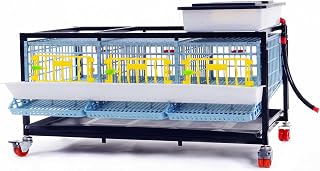 Hatching Time Quail Breeding Cage IndoorCheck price on Amazon
 1 Additional Layer for Quail Breeding CageCheck price on Amazon
 2 Additional Layers for Quail Breeding CageCheck price on Amazon
 Hova-Bator GQF Automatic Egg TurnerCheck price on Amazon
 40 Quail Egg Incubator with Automatic Egg Turning HumidityCheck price on Amazon
 Quail Egg Incubator with Automatic Turner and HumidityCheck price on Amazon
 60 Pcs Quail Egg CartonsCheck price on Amazon
- Quail Egg Incubator for Hatching 40 Quail Eggs with AutomaticCheck price on Amazon
CoopKeeperHQ earns a commission if you buy through our links, at no added cost to you. Affiliate disclosure.
Best egg laying quail: why Coturnix leads the flock
When selecting quail strictly for table egg production, Coturnix quail, also known as Japanese quail or Coturnix japonica, surpass other gamebird species. While many wild quail varieties are bred for sport, aviary beauty, or dog training, Coturnix have been selectively bred over generations to live calmly alongside keepers and produce eggs with dependable frequency. Their domestic nature makes them far less flighty than wild gamebirds, and their compact size means an entire productive flock fits comfortably in an area that would barely house standard hens.
Other quail species rarely suit a home egg flock. Bobwhite quail possess strong wild instincts, startle easily, and lay strictly on a seasonal schedule during warm breeding months. Button quail produce tiny eggs that are impractical for cooking or baking. California quail boast striking topknot feathers, yet they remain skittish ornamental birds with low egg output. For reliable egg collection in backyards, Coturnix quail remain the clear choice.
Popular Coturnix varieties for backyard eggs
Coturnix quail come in several striking feather patterns, allowing keepers to enjoy visual variety without sacrificing egg productivity. The classic Pharaoh pattern, reminiscent of wild game plumage with mottled brown tones, remains a favorite for rugged vigor and steady laying. English White Coturnix present clean, solid white feathers that make finding laid eggs against dark bedding remarkably easy. Manchurian and Italian varieties feature warm golden tones, bringing bright color to the hutch while matching standard egg output. For larger eggs, jumbo Coturnix lines provide extra size, though standard lines often maintain more consistent laying frequency over their productive lifespan.
Housing options and cage setup for laying quail
Designing a comfortable, secure shelter is the foundation of successful quail keeping. Because quail are ground-dwelling birds that cannot roost on high branches like chickens, their housing focuses entirely on usable floor space rather than vertical height. In fact, excessive height is hazardous: when alarmed, quail flush straight upward. Low ceilings or soft mesh beneath hard roofs prevent head injuries during startled flights.
Housing setups generally fall into distinct categories: wire-bottom cages or solid-floor hutches with deep bedding. Wire-bottom cages featuring gentle floor slopes allow freshly laid eggs to roll safely into an exterior collection trough. Solid-floor hutches allow birds to scratch naturally and dust bathe. Explore our quail cage guide and quail cage setup guide for hardware ideas, or review our quail coop guide and quail coop space guide for larger outdoor shelters.
Bedding choices and hutch maintenance
Quail generate moist manure quickly, making proper bedding selection essential for odor control and bird comfort. For solid-floor hutches, kiln-dried pine shavings remain the traditional backyard standard, absorbing moisture effectively and cushioning delicate feet. Chopped hemp bedding offers even higher absorbency with minimal dust. Avoid cedar shavings entirely, as natural oils in cedar irritate avian respiratory systems. Stir floor bedding frequently and shovel out soiled sections around drinkers. For wire-bottom cage setups, catch trays lined with wood shavings or paper allow quick cleaning. For detailed material comparisons, check our quail hutch bedding guide.
Feeding for reliable egg production
Laying quail possess an energetic metabolism and require a balanced diet rich in crude protein to sustain egg development. Standard chicken layer feed lacks the protein density that gamebirds require, which can stall egg production. Instead, feed adult laying quail a quality, unmedicated gamebird layer crumble designed specifically for breeding and laying poultry.
Calcium management is equally crucial for thick, healthy eggshells. Offer free-choice crushed oyster shell in a dedicated side dish so hens can supplement calcium as needed without altering the nutritional balance of the main feed. Because quail tend to rake crumbles out of open dishes, smart keepers use gravity hoppers or external trough feeders. Our review of metal J-feeders for quail highlights spill-resistant hardware that keeps feed dry, clean, and off the hutch floor.
Clean water setups and daily hydration
Water is the silent engine of egg production. An egg consists largely of water, and even brief dehydration halts production for days. Quail need clean, cool water available from morning until evening. Because open bowls get soiled with bedding and droppings within minutes, enclosed watering systems provide a far cleaner solution. Horizontal poultry nipples or small automatic watering cups mounted along enclosure walls protect the water supply. In freezing weather, position waterers in sheltered corners or use safe electric de-icers powered through outdoor-rated GFCI outlets.
Light exposure and seasonal laying cycles
Quail reproduction is tied to daylight length. Lengthening spring days trigger the reproductive cycle, prompting regular laying through spring and summer. As autumn arrives and daylight hours diminish, hens reduce egg laying and begin an annual molt to grow an insulating winter coat.
Backyard keepers can allow birds to rest through dark winter weeks or introduce gentle supplemental lighting to maintain production. A low-wattage light fixture placed on an automated timer can extend the perceived day length, keeping hens laying steadily through chilly weather. Ensure all lighting fixtures are securely mounted away from dry bedding, protected against moisture, and connected through GFCI outlets.
Gathering, cleaning, and preparing quail eggs
Collecting eggs daily is essential to keep shells pristine and protect them from trampling. In roll-out cages, eggs glide smoothly into an exterior tray. In bedded pens, check dark, quiet corners where hens prefer to lay. Avoid washing eggs in tap water, as washing removes the natural bloom that protects shell pores against bacteria. Instead, gently buff soiled shells with a dry cloth. When preparing quail eggs in the kitchen, experienced keepers use specialized quail egg scissors stainless steel blades to cleanly snip off the pointed shell cap without crushing the delicate shell. For storage tips, consult our fresh egg storage guide and our tips on cleaning fresh eggs.
Predator protection for small gamebirds
Because quail are small, ground-dwelling gamebirds, providing robust predator defenses is essential for every backyard flock. Raccoons, weasels, rats, snakes, raptors, and neighborhood cats all view quail as easy quarry. Standard chicken wire offers insufficient security, as raccoons can tear through light wire and snakes slip through wide hex openings. Enclose all hutch openings with heavy galvanized hardware cloth featuring tight welded mesh, and secure doors with locking latches that clever paws cannot manipulate. When constructing outdoor runs, overhead covers block hawks and owls. Our guide on poultry netting for quail details sturdy top coverings and perimeter barriers.
Brooding and raising your own layers
A rewarding aspect of keeping Coturnix quail is how easily keepers can maintain their own flock through successive generations. Because quail mature and begin laying so much faster than chickens, raising a batch of replacement chicks takes minimal time and equipment. Newly hatched quail chicks require a draft-free brooder box with secure footing, gentle warmth from a safe radiant heat plate, and shallow waterers filled with clean pebbles to prevent chilling. To explore brooding equipment, visit our quail brooder box guide, and read our incubating quail eggs guide when setting up your initial hatch.
Daily quail keeper routine
A simple daily routine keeps your flock thriving and egg baskets full. Begin the morning by checking water levels, verifying that dispensers flow freely, and refilling layer crumbles. Slide out manure trays or stir floor bedding to keep surroundings clean and dry. Gather freshly laid eggs from collection troughs or nesting corners. Observe your birds for bright eyes, smooth plumage, and alert posture. If a bird appears lethargic or distressed, isolate it promptly in a warm recovery pen and consult a poultry veterinarian or your state extension office for professional guidance.
A simple quail care checklist
- Select Coturnix quail for calm temperament and reliable egg production
- Provide secure housing with low ceiling clearance or soft mesh roof lining
- Use welded hardware cloth and raccoon-proof latches on all openings
- Supply unmedicated gamebird layer feed alongside free-choice crushed oyster shell
- Keep fresh, clean water available daily through nipple drinkers or automatic cups
- Maintain dry pine or hemp bedding, or clean slide-out manure trays regularly
- Collect eggs daily and snip shells cleanly with stainless steel quail egg scissors
Birds, breed size, run time and climate in; coop floor, run space, roost length and nesting boxes out.
Wash your hands after handling birds, eggs or equipment, supervise children around the flock, and check local rules on flock size and roosters before you buy. For sick birds, call a poultry veterinarian or your state extension office. See CDC backyard poultry guidance. Read our Safety Disclaimer.
FAQ for the flock
How big is a quail egg?
Quail eggs are compact, speckled eggs with sturdy shells and large yolks relative to their size. They are distinctly smaller than bantam or standard chicken eggs, fitting comfortably in the palm of your hand. When cooking or baking, keepers typically use several quail eggs in place of a standard chicken egg.
How small are quail eggs?
Quail eggs are small enough that multiple eggs easily rest together in your hand. Their shells feature unique brown and tan speckles over a cream background. Despite their petite size, quail eggs carry a rich yolk-to-white ratio, making them a dense and flavorful bite for breakfasts, appetizers, and pickling.
How long do quail eggs last?
Fresh, unwashed quail eggs retain a natural protective coating called the bloom that keeps out bacteria and air. When kept unwashed in a cool pantry or stored in cartons inside the refrigerator, fresh quail eggs remain sound and tasty for extended periods. For specific timelines and kitchen storage tips, consult our fresh egg storage guide.
How much are quail eggs?
The cost of quail eggs depends on your local poultry market, feed availability, and whether you are purchasing fresh culinary eggs or fertile eggs intended for hatching. Small backyard producers often price fresh cartons according to local demand at farm stands and farmers markets. Hatching eggs from specialized color varieties typically command a premium compared to table eggs.
Which quail breed lays the most eggs?
Coturnix quail, also known as Japanese quail, are the most prolific egg layers among all domesticated quail breeds. They begin laying earlier in life than other gamebird species and maintain regular egg production throughout the warmer months. Unlike Bobwhite or California quail, which lay only during brief seasonal mating periods, Coturnix quail are bred specifically for consistent backyard egg production.
More coop guides
- Best Quail Cage: Hutches and Cages for Coturnix
- Best Quail Coop: 5 Backyard Picks Compared (2026)
- Quail Cage Set Up: Step-by-Step Guide for Backyard Flocks
See the quail care guides and our egg handling picks.