Quail Cage Set Up: Step-by-Step Guide for Backyard Flocks
Practical indoor shelter space, sloped wire floors, slide-out waste trays, gravity waterers and feeding troughs for setting up a backyard quail flock.

On this page
Top picks at a glance
As an Amazon Associate I earn from qualifying purchases.
- 1
 Hatching Time Quail Breeding Cage Indoor9.6/10View on Amazon
- 2
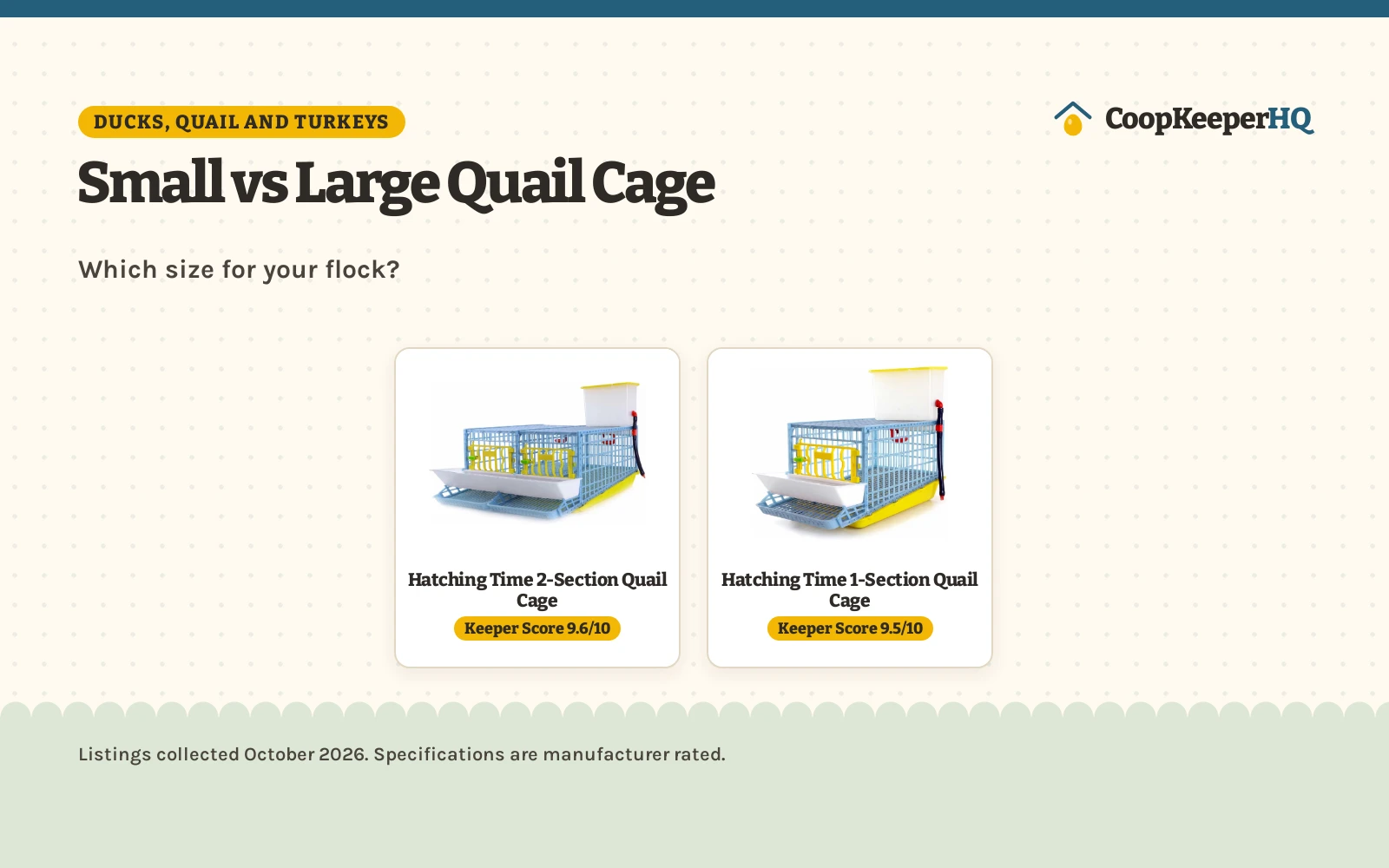
 Large example: 2 sections9.6/10View on Amazon
- 3Small example: 1 section9.5/10View on Amazon
- 4
 Quail Feeder Waterer SetView on Amazon
- 5
 Alise Brushed Flip Latch Gate Latch Set with PadlockView on Amazon
- 6
 Alise Black Flip Latch Gate Latch Set with A PadlockView on Amazon
- 7
 6 Pack Chicken Feeder Waterer Set 1L Feeder Flip Top FeedingView on Amazon
- 8
 WODERIC Automatic Chicken Water CupsView on Amazon
- 9
 Seny Set of 4 Stackable Breeding Bird Cage for Canary FinchView on Amazon
Morning chores with a covey of backyard quail move quickly once your daily routine is dialed in. You check water lines, top off feed troughs, slide out manure trays, and gather clean eggs that have rolled forward to the collection wire. Setting up a quail cage properly means choosing secure housing inside a sheltered building, selecting floor wire that supports small feet while letting droppings fall through, setting up gravity waterers, and mounting accessible feed troughs. Getting these basic elements right from the start protects your birds, prevents wasted feed, and makes daily maintenance simple.
Other options for the coop
 Quail Feeder Waterer SetCheck price on Amazon
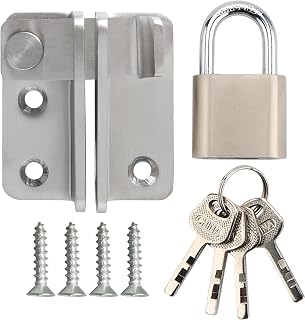 Alise Brushed Flip Latch Gate Latch Set with PadlockCheck price on Amazon
 Alise Black Flip Latch Gate Latch Set with A PadlockCheck price on Amazon
 6 Pack Chicken Feeder Waterer Set 1L Feeder Flip Top FeedingCheck price on Amazon
 WODERIC Automatic Chicken Water CupsCheck price on Amazon
 Seny Set of 4 Stackable Breeding Bird Cage for Canary FinchCheck price on Amazon
CoopKeeperHQ earns a commission if you buy through our links, at no added cost to you. Affiliate disclosure.
Quail cage set up: start with shelter and location
Unlike chickens that roost high on wooden bars and return to a coop at dusk, quail are ground-dwelling game birds that startle easily and lack homing instincts. They flush upward when panicked, making open runs risky without specialized enclosures. Commercial and hobby quail cages are designed for indoor housing or placement inside a sheltered outbuilding such as a barn, garage, shed, or dedicated bird room. The cage provides living space, feeding access, and egg collection, but it does not protect birds from outdoor weather or predators.
When choosing a spot for your cage, pick a dry, well-ventilated area with level ground that stays protected from driving rain, drafts, and direct midday sun. Quail thrive when temperatures remain moderate and air circulates without blowing a chill across their pens. Setting your cages off cold concrete floors on sturdy benches or dedicated wheeled stands makes daily chore height comfortable. Check local, HOA, and state rules regarding game bird housing before setting up your flock, and make sure your building is sealed against rodents.
Choose the right cage style and dimensions
Selecting a cage system depends on your flock size, breeding plans, and available floor space. Multi-tier stacked cages are popular because they expand flock capacity upward rather than taking up extra floor room. For example, maker Hatching Time lists a 3-layer, 3-section breeding cage measuring 38.6 x 24 x 52 in with a weight of 57 lb that houses up to 45 standard quail across 3 stacked layers. In that setup, the maker states each section accommodates up to 5 smaller quail, while Hatching Time recommends 3 per section for larger birds.
For smaller coveys, single-layer units keep chores at waist height. Hatching Time publishes a 1-layer, 2-section cage measuring 23.8 in L x 24 in W x 18.1 in H with 23.8 x 17.3 in floor space that houses up to 10 standard quail, accommodating 5 smaller birds or 3 larger birds per section. For slightly larger groups, Hatching Time lists a 1-layer, 3-section unit measuring 38.6 x 24 x 23 in with 35.8 x 17.3 in floor space and a weight of 28 lb, rated for up to 15 standard-size birds or 3 larger quail per section. For growing coveys leaving the brooder, Hatching Time lists a 4-layer grow-out pen measuring 21.6 x 36.3 x 64.6 inches and weighing 78 lb with a 9.5-inch interior height.
Removable interior walls give keepers flexibility as breeding needs change. In 3-section cages, two removable middle walls let you separate 3 breeding groups or open the space into a wider hutch. For detailed spacing advice, see our quail cage size guide and compare options in our best quail cage overview.
Select appropriate wire mesh flooring
Flooring is a vital part of any quail pen. Quail have small, sensitive feet that require steady support, yet droppings must pass cleanly through the floor into pans below. Wire mesh floors keep birds separated from droppings and allow clean egg collection without the heavy shavings required by solid floors.
Polypropylene plastic flooring provides a durable alternative to galvanized wire that will not rust. Mesh opening sizes must match your birds. For example, Hatching Time provides Traditional flooring with 5/8 x 5/8 inches openings for regular-size quail, while its Jumbo flooring uses 7/8 x 5/8 inches openings to better support larger Jumbo Coturnix birds. The wider openings let larger droppings pass through freely.
A gentle floor slope is another key feature in laying cages. Because quail do not use nesting boxes and lay eggs on the floor, a sloped floor guides freshly laid eggs forward beneath the front wall into an external roll-out tray. This keeps eggs clean and makes gathering fast. If you prefer solid-bottom pens with litter, see our guide on best bedding for quail hutch setups.
Manage droppings with slide-out waste trays
Quail eat high-protein feed, and their manure accumulates quickly. Efficient manure handling is what keeps indoor cage setups clean and odor-free. Look for cages with slide-out droppings pans beneath each tier.
Smooth polypropylene waste trays resist manure acidity and pull out smoothly from the front without disturbing the flock. Some models offer extended coverage; for instance, Hatching Time lists a waste tray that extends 3 inches farther beneath the cage to catch debris near the front feeding trough. Power-washable plastic components make thorough cleanouts straightforward.
To keep air fresh in your shelter, dump waste trays regularly into a compost pile. Lining dry plastic trays with paper or a thin layer of dry coop bedding makes emptying them faster and keeps manure from sticking.
Set up gravity-fed watering systems
Quail need steady access to clean water, but open bowls inside a cage quickly fill with feed dust and droppings. Gravity-fed watering setups mounted outside the cage keep water sanitary and simplify daily care.
Integrated gravity systems connect an overhead water reservoir to automatic drinking points. For single-layer setups, Hatching Time includes a 1-gallon water tank supplying 2 drinker cups. For high-capacity multi-tier systems, Hatching Time lists a 5.2-gallon water tank feeding two steel nipple drinkers per layer, providing 8 drinking points across a 4-layer setup.
Mounting drinker cups or nipples at bird shoulder height prevents soiled water while giving every bird easy access. Inspect lines regularly to ensure steady flow, and rinse tanks periodically. In unheated shelters, check lines during cold spells to prevent freezing.
Mount accessible, low-waste feeding troughs
Quail tend to sweep feed out of open dishes with their beaks, wasting valuable rations. External troughs mounted along the front of the cage prevent birds from scratching in feed and keep manure out of the trough.
Birds reach their heads through front wire bars to eat. Many troughs include covers to reduce waste; for example, Hatching Time lists a feeding trough holding up to 5 lb of feed with flexible grill covers above the trough to limit scattering. For individual wire hutches, external galvanized feeders work well; see our guide to metal J feeders for quail to compare mounting styles.
Keep troughs filled with fresh feed and positioned so birds do not have to strain to reach.
Plan indoor lighting and ventilation
Steady airflow and balanced lighting keep a covey calm and productive. Even in clean cages, game birds produce fine dander and moisture. Stale air causes respiratory stress, so your shelter needs continuous ventilation without exposing cages to drafts.
Keep high wall vents open so damp air leaves without a breeze blowing across the birds. If housing cages in an outbuilding, cross-ventilation from screened windows or an exhaust fan helps exchange air smoothly.
Lighting influences laying cycles. Quail need consistent light to maintain egg production. If your shelter lacks adequate daylight, install overhead fixtures on a timer to provide a stable schedule. Ensure all electrical cords run clear of pens and plug into a protected GFCI outlet.
Predator protection for sheltered cages
Commercial wire and plastic cages are designed for bird management, not for defending against outdoor predators. As manufacturer listings state, these units are not predator-proof on their own and require placement inside an enclosed, predator-resistant building.
Raccoons, rats, and snakes can reach through wire gaps or pry open lightweight doors. To protect your flock, seal your building carefully. Cover all exterior windows and ventilation openings with heavy wire mesh; our hardware cloth guide explains mesh gauges for predator exclusion.
Ensure exterior shed doors close securely with animal-proof latches, and store feed in secure metal bins to avoid attracting pests. If you prefer keeping quail in outdoor ground pens, compare options in our best quail coop review.
Daily rhythm and maintenance routine
A regular daily rhythm keeps chores manageable and helps you spot issues early. Plan to visit your quail setup at consistent times each day.
Start by looking over the covey to ensure every bird is alert and moving well. Check that gravity water tanks have plenty of water and that drinkers dispense freely. Top off feed in front troughs and sweep away any stray feed along the lip. Next, slide out manure trays, empty droppings into your compost, and return clean trays beneath the cages.
Finally, gather eggs that have rolled forward into collection channels. Because sloped floors roll eggs away from birds immediately, shells stay clean and intact. If you ever notice an injured or sick bird, consult a poultry veterinarian or your state extension office for guidance.
A simple quail cage setup checklist
- Cage is placed inside an enclosed, draft-free, predator-resistant building
- Wire floor mesh provides secure footing and matches the size of your quail
- Flooring is sloped forward to guide laid eggs into collection trays
- Slide-out droppings pans sit cleanly beneath every tier for manure disposal
- Gravity-fed water reservoir is mounted securely with clean drinker cups or steel nipples
- External feed troughs are mounted at bird height with anti-scatter grills in place
- Shelter ventilation allows steady airflow without drafts across the pens
- Electrical cords for lighting or timers run through protected GFCI outlets
For more on sizing pens and flock layouts, see our quail cage size guide.
Birds, breed size, run time and climate in; coop floor, run space, roost length and nesting boxes out.
Wash your hands after handling birds, eggs or equipment, supervise children around the flock, and check local rules on flock size and roosters before you buy. For sick birds, call a poultry veterinarian or your state extension office. See CDC backyard poultry guidance. Read our Safety Disclaimer.
FAQ for the flock
Can quail cages be kept outside in the backyard?
Commercial wire and plastic quail cages are designed for indoor housing or placement inside an enclosed, sheltered building such as a shed, barn, or garage. Because they are not predator-proof and do not protect birds from driving rain or harsh wind, keeping them outdoors without a weatherproof secondary shelter exposes birds to extreme weather and predators.
What floor mesh size is best for quail cages?
Wire floor mesh must support small feet while letting droppings fall freely into waste pans. Manufacturer Hatching Time specifies 5/8 x 5/8 inches openings for regular-size quail on its Traditional flooring, and 7/8 x 5/8 inches openings on its Jumbo flooring for larger Jumbo Coturnix birds.
How often should quail cage waste trays be cleaned?
Slide-out waste trays should be emptied regularly into compost to prevent ammonia accumulation and maintain clean air inside your shelter. Lining dry trays with paper or a thin layer of dry coop bedding makes dumping trays fast during morning chores.
Do laying quail need nesting boxes inside their cages?
Quail do not use traditional chicken nesting boxes and lay their eggs directly on the pen floor. In a well-designed cage setup, the floor is sloped forward so laid eggs roll gently beneath the front cage wire into an exterior collection channel, keeping them clean and intact.
How do gravity waterers work in a quail cage setup?
A gravity watering system uses an elevated water tank connected to drinking cups or steel nipples along the cage wall. As water is consumed, gravity keeps the drinker points supplied without requiring electrical pumps. Mounting drinkers at bird shoulder height prevents feed and droppings from fouling the water.
More coop guides
- Best Quail Cage: Hutches and Cages for Coturnix
- Quail Cage Size: Space, Dimensions and Setup Guide
- Best Quail Coop: 5 Backyard Picks Compared (2026)
See the best quail cage picks and the ducks, quail and turkeys guides.