Chicken Eggs for Hatching vs Eating: Which One Should You Buy?
Fertilization differences, storage conditions, unwashed bloom protection and essential handling steps for choosing between hatching and eating eggs.

On this page
Top picks at a glance
As an Amazon Associate I earn from qualifying purchases.
- 1
 Egg Incubators for Hatching Eggs9.7/10View on Amazon
- 2
 Incubators for Hatching Eggs9.6/10View on Amazon
- 3
 Dural's DX5®9.6/10View on Amazon
- 4
 Syluris Incubators for Hatching EggsView on Amazon
- 5
 APDOE Egg Incubators for Hatching EggsView on Amazon
- 6
 6 Fertile Chicken Hatching Eggs Brand: spicetigersView on Amazon
- 7
 12-24 Egg Incubator incubators for Hatching Eggs HumidityView on Amazon
- 8
 Egg Incubator for Hatching EggsView on Amazon
- 9
 18 Egg Incubators for Hatching EggsView on Amazon
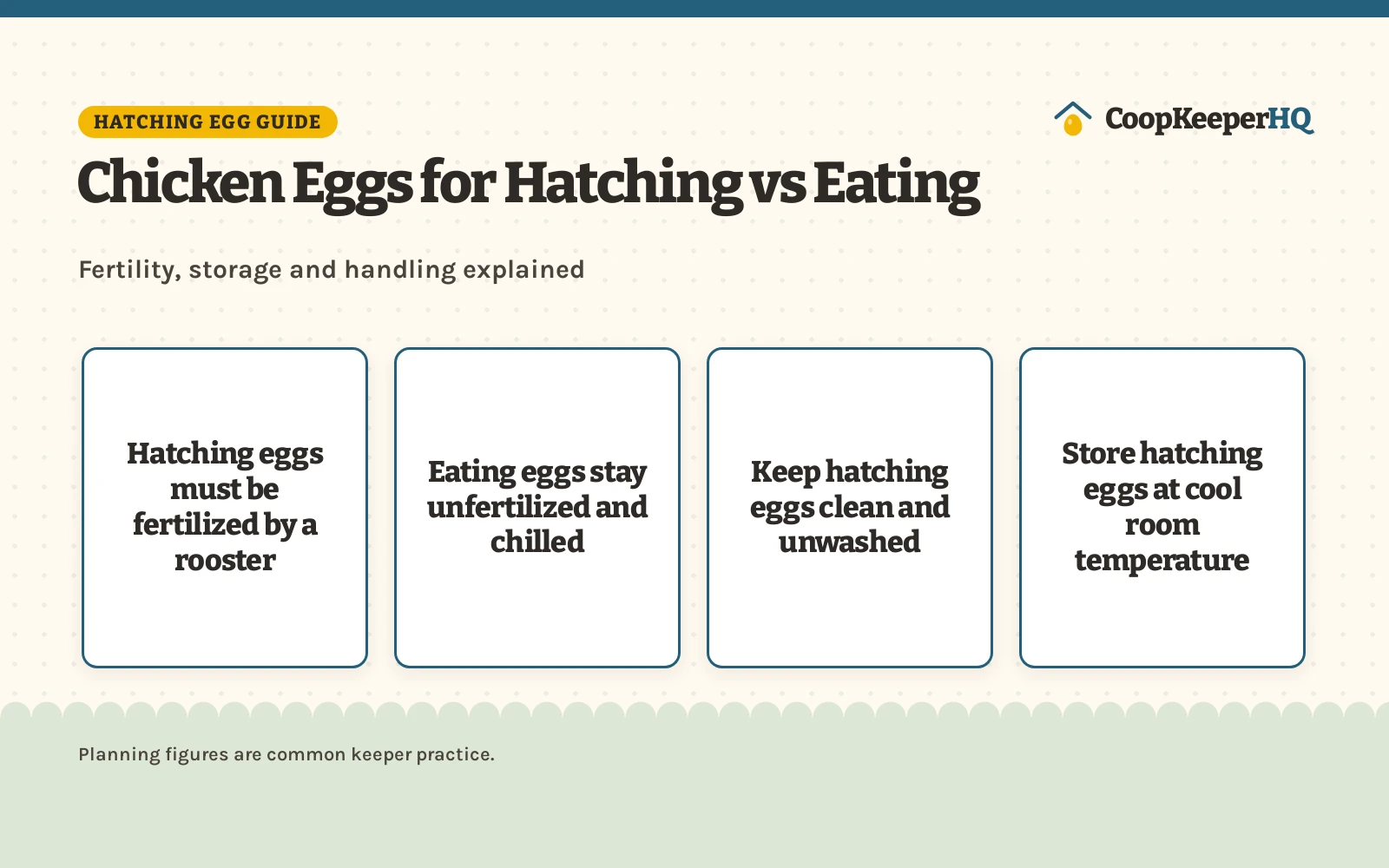
Walking out to the coop in the morning to gather a basket of fresh eggs is one of the daily pleasures of keeping a backyard flock. The fundamental difference between chicken eggs for hatching vs eating comes down to fertilization, storage, and handling: hatching eggs must be fertilized by a rooster, kept unwashed to protect the shell bloom, and stored at cool room temperature before incubation, while eating eggs can be unfertilized, washed, and refrigerated to preserve kitchen freshness. If your goal is expanding the flock with an incubator, you need fertile hatching eggs; if you simply want breakfast, eating eggs are what you need.
Other options for the coop
 Syluris Incubators for Hatching EggsCheck price on Amazon
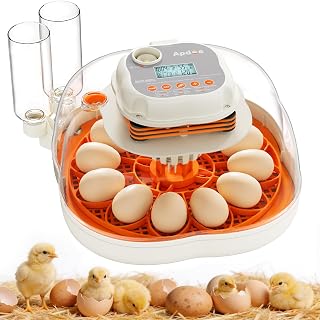 APDOE Egg Incubators for Hatching EggsCheck price on Amazon
 6 Fertile Chicken Hatching Eggs Brand: spicetigersCheck price on Amazon
 12-24 Egg Incubator incubators for Hatching Eggs HumidityCheck price on Amazon
 Egg Incubator for Hatching EggsCheck price on Amazon
 18 Egg Incubators for Hatching EggsCheck price on Amazon
CoopKeeperHQ earns a commission if you buy through our links, at no added cost to you. Affiliate disclosure.
Chicken eggs for hatching vs eating: what sets them apart
Every egg starts inside a hen, but how the flock is managed determines whether that egg can ever produce a chick. Hens lay eggs on a regular biological schedule whether a male bird lives with them or not. An egg laid in a coop without a rooster contains only the female genetic contribution. It cannot develop into an embryo, making it purely an eating egg.
A hatching egg requires a rooster to mate with the hen before the eggshell forms. The rooster fertilizes the blastodisc on the yolk, transforming it into a blastoderm that holds the potential for life. Without that fertilization event, no amount of warmth or humidity will cause an egg to hatch. If you purchase eggs from a grocery store or a farm that keeps only hens, those are strictly eating eggs. If you source eggs from a breeding pen with an active rooster, those eggs are potential hatching eggs.
Fertility and what it means for kitchen use
A common concern among new keepers is whether fertile eggs are safe to cook and eat. The answer is straightforward: fertile eggs gathered daily from the coop are completely safe and taste identical to unfertilized eggs. Before incubation begins, a fertilized egg is essentially dormant. The embryo does not begin cell division until it experiences sustained warmth.
If you crack open a fresh fertile egg into a skillet, you might notice a tiny pale circle on the surface of the yolk that resembles a faint target or doughnut ring. On an unfertilized egg, that spot is simply a solid pale dot. In terms of culinary quality, baking performance, and flavor, there is no discernible difference. However, once an egg has sat in an active incubator or under a broody hen, embryonic development starts, rendering the egg unsuitable for the kitchen.
Storage conditions and temperature management
Storage temperature is where the paths of hatching eggs and eating eggs diverge sharply. For eating eggs, the goal is slowing down moisture loss and preventing bacterial growth over weeks. Keeping eating eggs in a household refrigerator preserves albumen thickness and maintains kitchen freshness over an extended period. See our guide on how long fresh eggs keep for practical storage routines.
Putting hatching eggs in a standard household refrigerator destroys their hatchability. Cold refrigerator air shocks the dormant blastoderm and damages cellular viability. Instead, keepers store hatching eggs in a cool room, pantry, or basement where temperatures remain moderate. The eggs sit pointy end down in clean cartons, tilted gently from side to side each day until setting day arrives. For full preparation steps, read our guide to collecting eggs for incubation.
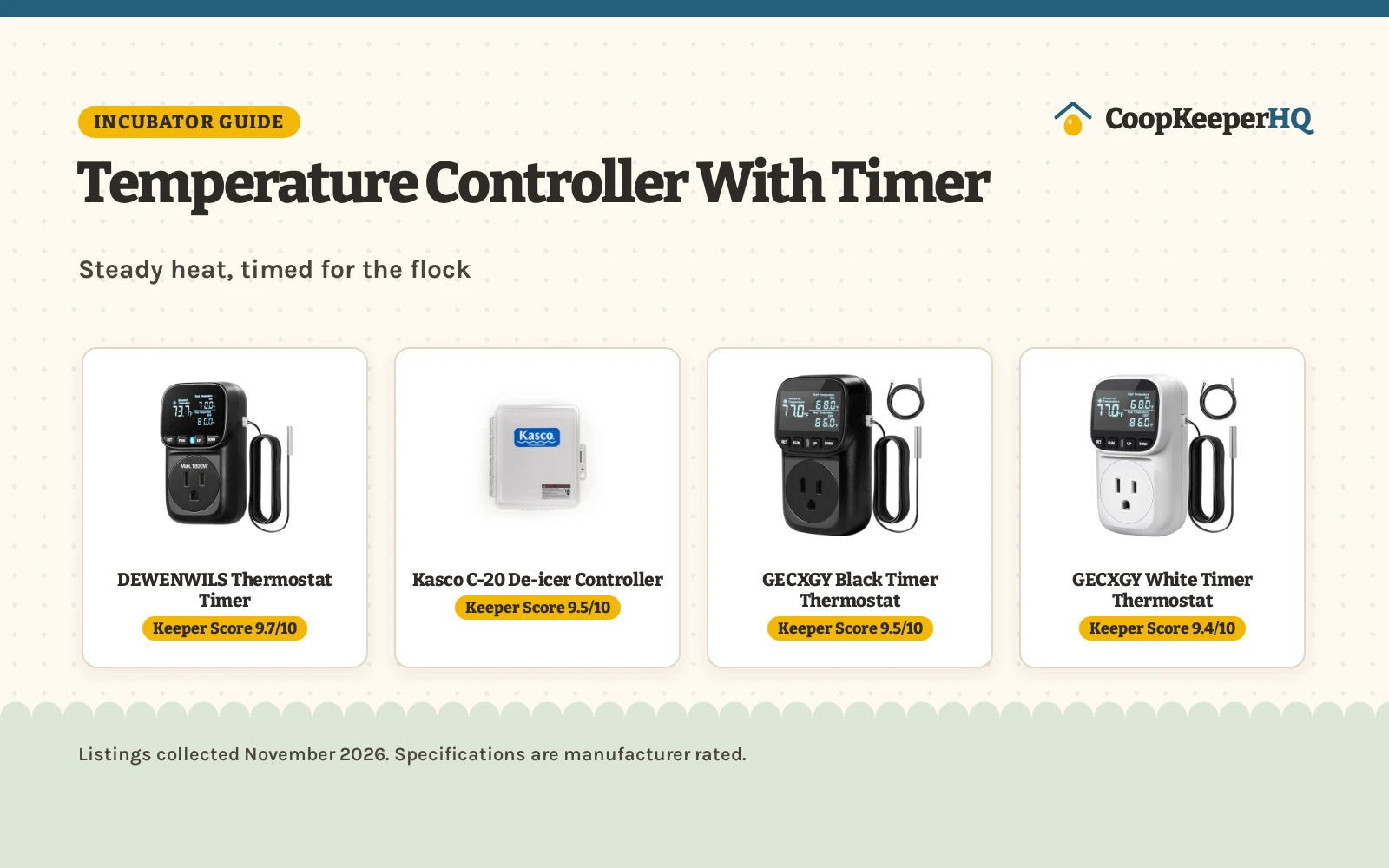
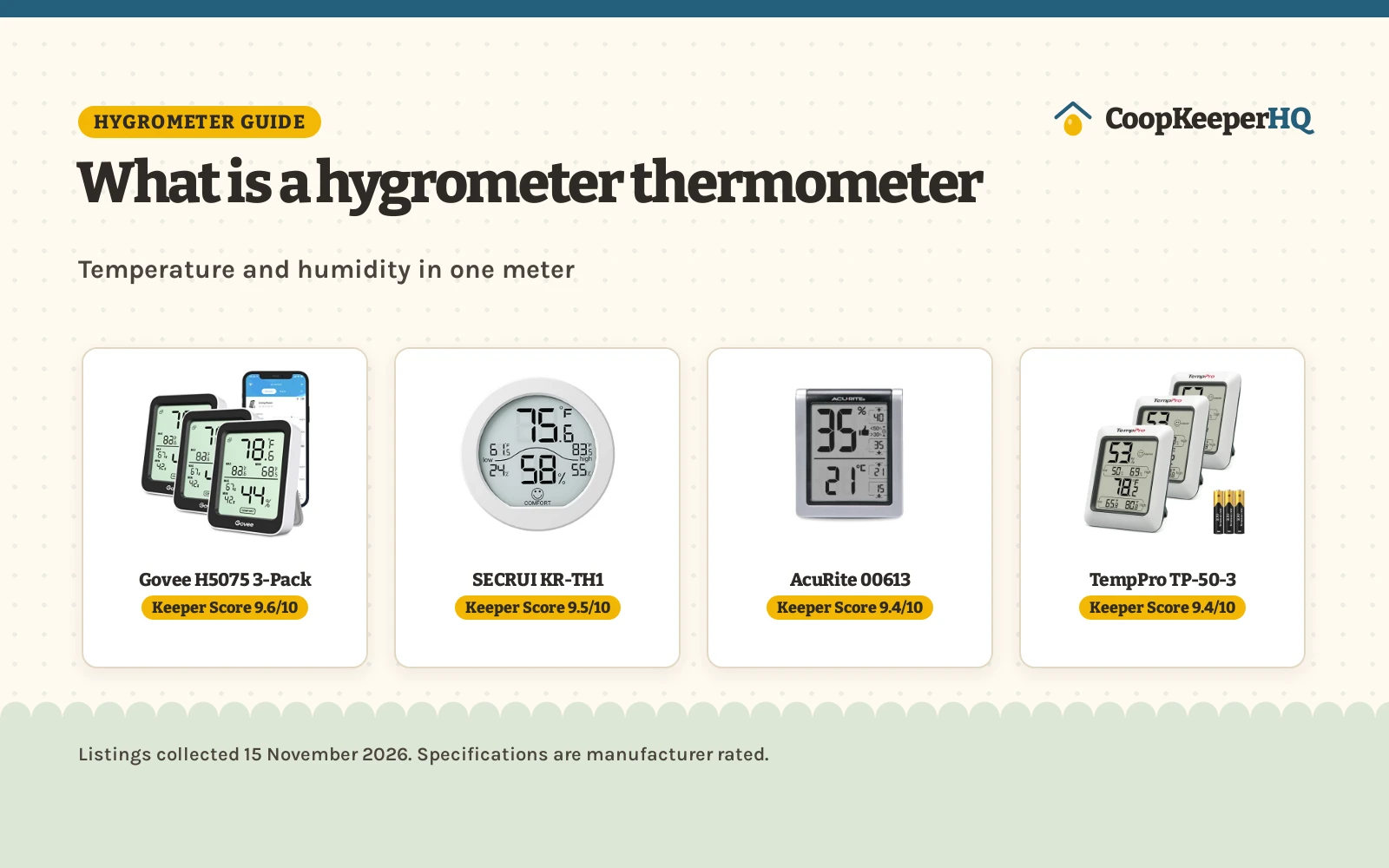
When eggs move from storage into an incubator, precise environmental regulation becomes necessary. The GleeGearNex listing states a presettable temperature range of 68-104°F and a presettable humidity range of 20-75% RH. Digital monitoring systems help protect developing embryos from swings; the Oqioprd listing notes an audible alarm that sounds if the internal temperature drifts by 2°F or 1°C or if humidity drifts by 10%.
Washing and the protective shell bloom
Every fresh chicken egg emerges with a natural liquid coating called the cuticle or bloom. Within moments of laying, this coating dries into an invisible shield that seals thousands of microscopic shell pores. The bloom keeps environmental bacteria out while regulating internal moisture evaporation.
For hatching eggs, the bloom must remain intact. Washing hatching eggs with water removes this natural barrier and can pull surface pathogens directly through the shell pores, leading to rotten eggs or failed hatches inside the incubator. Keepers collect hatching eggs frequently from clean nesting boxes to avoid soiled shells entirely. Review our best chicken nesting box recommendations to keep nest bedding tidy.
For eating eggs, cleaning practices depend on local habits and kitchen preference. In the United States, commercial table eggs are washed and sanitized, which is why they must remain refrigerated. Backyard keepers who wash eating eggs should use warm running water and refrigerate them promptly. Learn more in our overview on how to clean fresh eggs.
Handling, egg turning, and incubation prep
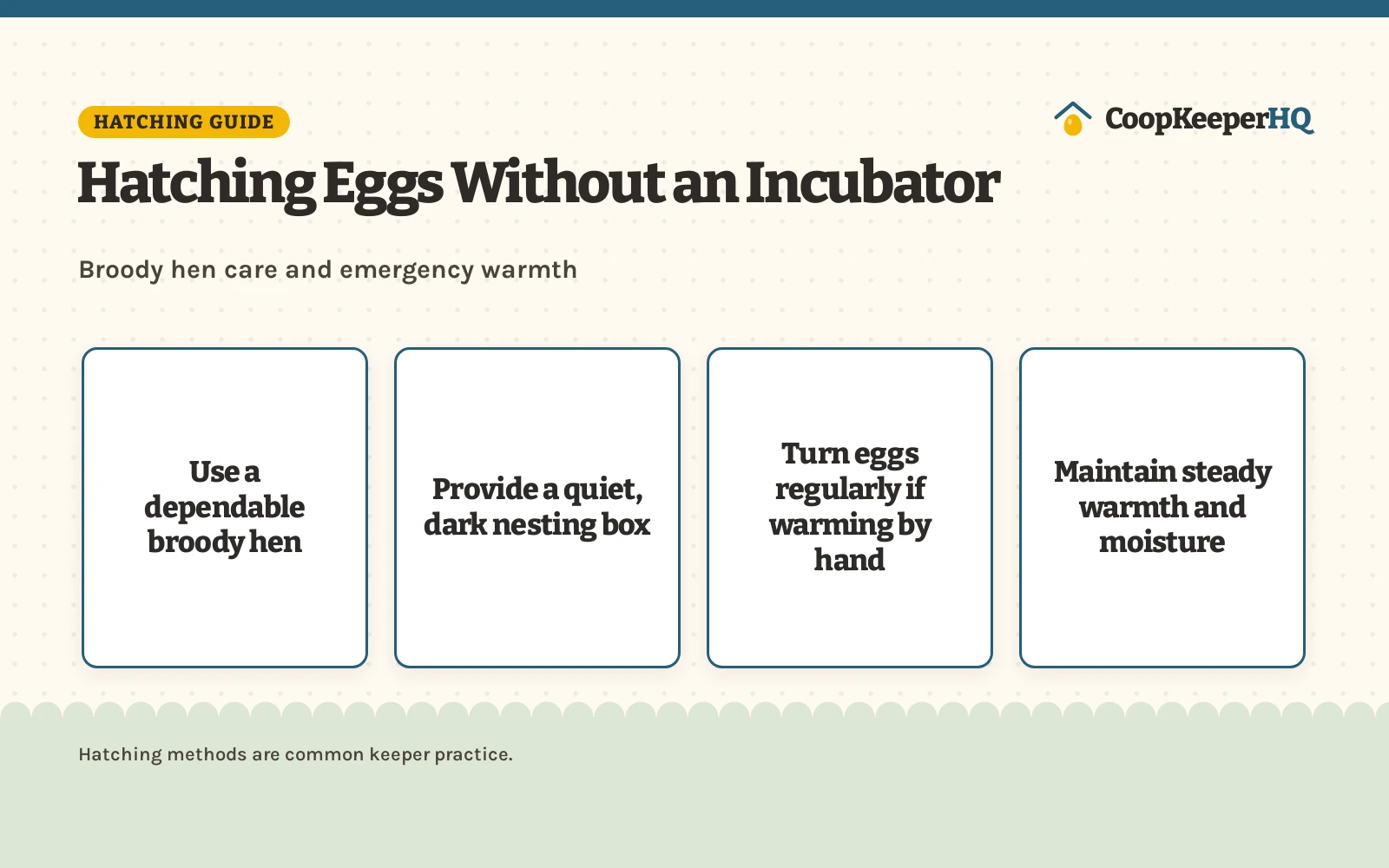
Hatching eggs require careful handling that eating eggs never experience. Beyond cool storage, hatching eggs benefit from daily tilting so the yolk remains centered and the embryo does not stick to the inner shell membrane. Once inside the incubator, automated turning takes over to replicate the shifting motion of a mother hen.
Different incubator designs offer automated turning schedules to match keeper preferences. The ShellBr8ker listing provides selectable turning intervals of 60, 90, 120, 150, or 210 minutes and stops turning during the final 4 days before hatch day. The Syluris model lists turning intervals of 60, 120, or 180 minutes and stops turning 4 days prior to hatching. The WONEGG listing states that its mechanism turns eggs every 2 hours and instructs keepers to stop egg rotation in the last 3 days. Automated controls reduce manual intervention while keeping embryo development on track.
During the incubation cycle, keepers use candling lights to monitor internal growth. Candling illuminates the interior of the shell, showing the developing vascular web in fertile eggs and revealing clear yolks in infertile ones. To understand this process, read our guide explaining what is an egg candler.
Choosing capacity for your hatching goals
If you decide to buy hatching eggs, matching your order to incubator capacity prevents crowded trays and poor airflow. Purchasing too many hatching eggs leads to storage delays, while buying too few leaves machine capacity underutilized.
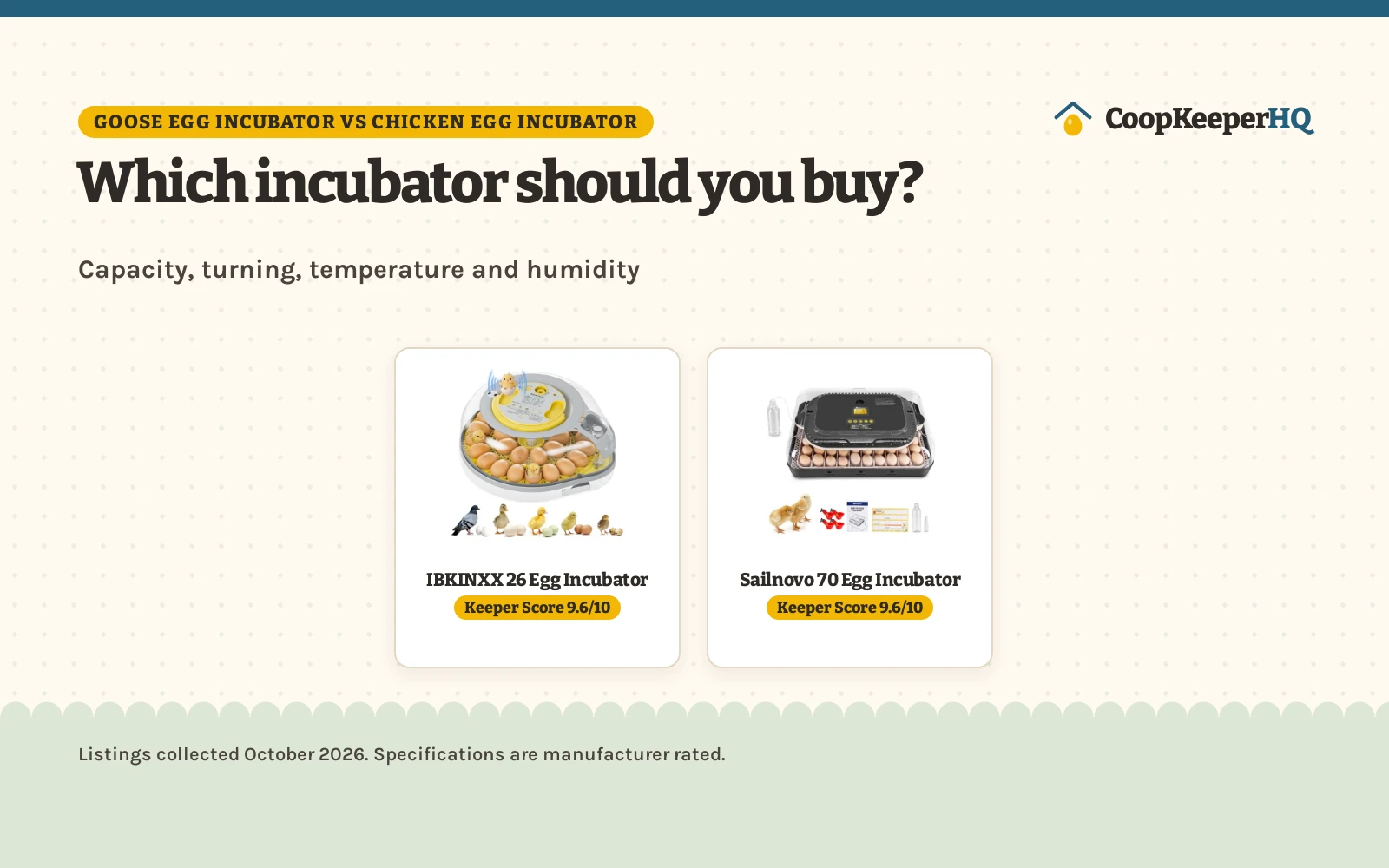
Tabletop incubators cater to different flock scales. For small backyard projects, the WONEGG model accommodates 12 eggs. For mid-sized setups, the Syluris listing states a capacity of 24 chicken eggs or 18 duck eggs. Dedicated breeders running larger batches often choose higher capacities; the ShellBr8ker listing specifies holding up to 56 chicken eggs or 112 quail eggs. Comparing your target hatch numbers against stated equipment capacity ensures every egg receives proper circulation and warmth. Check our guide to the best incubator for chicken eggs and our review of a chicken egg incubator with humidity control for equipment comparisons.
A practical checklist: hatching eggs vs eating eggs
- Fertility: Hatching eggs require an active rooster in the flock to fertilize the egg; eating eggs are produced by hens without rooster presence.
- Refrigeration: Eating eggs store well under standard refrigeration; hatching eggs must never be chilled in a household refrigerator because cold damages embryo viability.
- Washing: Hatching eggs must remain dry and unwashed to preserve the protective bloom; eating eggs may be washed before cooking or storage.
- Turning: Hatching eggs need regular tilting in storage and scheduled turning during incubation; eating eggs remain stationary in cartons.
- Kitchen safety: Fresh fertile eggs collected daily from the coop are completely safe and nutritious to eat as long as incubation has not begun.
Pick a species and a set date for candling days, lockdown and hatch day, with a calendar file to save.
Run the incubator for a day before you set eggs to confirm temperature and humidity, keep it away from direct sun and drafts, and plug it into a protected outlet. Plan the brooder before hatch day. Wash your hands after handling eggs and chicks. See CDC backyard poultry guidance. Read our Safety Disclaimer.
FAQ for the flock
Can you eat fertile chicken eggs?
Yes. Fresh fertile eggs gathered daily from the coop are completely safe to eat and taste the same as unfertilized eggs. As long as the egg has not been incubated under a hen or in an incubator, no embryonic development has occurred.
What temperature should a chicken egg incubator be?
Incubator settings depend on equipment specifications. As an example of manufacturer ranges, the GleeGearNex listing states a presettable temperature range of 68-104°F. Always consult your incubator manual and extension service guidelines for recommended target operating temperatures.
How long can chicken eggs sit before incubation?
Hatching eggs should be set as fresh as possible because hatchability declines as storage time lengthens. Keepers store hatching eggs at cool room temperatures, resting them pointy end down and tilting them daily until setting them in the incubator.
How can you tell if an egg is fertile before incubating?
You cannot determine fertility from the outside of an unbroken shell. The only ways to verify fertility are cracking open sample eggs to inspect the blastoderm ring on the yolk, or candling the eggs with a bright light after incubation has progressed.
Should you wash chicken eggs before incubation?
No. You should never wash hatching eggs with water. Washing strips away the natural bloom that seals the shell pores against bacteria. Instead, collect eggs frequently from clean nests so that hatching eggs remain naturally clean.
How much electricity does an egg incubator use?
Tabletop poultry incubators generally operate on modest wattage, similar to a small household appliance. For instance, the Syluris listing highlights a low-power quiet heating system designed for efficient temperature maintenance.
More coop guides
- Collecting Eggs for Incubation: Step-by-Step Guide for Backyard Flocks
- How to Clean Fresh Eggs Without Washing Away the Bloom
- How Long Do Fresh Eggs Keep? Storage Guide for Backyard Flocks
Explore our incubators and hatching guides and practical egg handling resources.