Plastic vs Wood Chicken Coop: Which Lasts and Cleans Better?
A direct comparison of plastic vs wood chicken coops covering rot resistance, cleaning routines, predator security, flock comfort and long-term yard durability.

On this page
Top picks at a glance
As an Amazon Associate I earn from qualifying purchases.
- 1
 Rockever Nesting Boxes for ChickensView on Amazon
- 2
 Little Giant 60 Pound Plastic Dome Gravity Coop Feeder BrooderView on Amazon
- 3
 Harris Farms Easy-Fill Poultry DrinkerView on Amazon
- 4
 Little Giant® Complete Plastic Poultry FountView on Amazon
- 5
 Little Giant® Plastic Dome WatererView on Amazon
- 6
 Little Giant Single Plastic Nesting Box Chicken Nest Box withView on Amazon
Scraping dried droppings off coop walls on a damp morning quickly makes you question your housing setup. When choosing between a plastic vs wood chicken coop, plastic lasts longer against rot and cleans much faster with a hose, while wood is easier to modify and repair with basic carpentry tools. Choosing the right material comes down to how much maintenance time you want to spend each week.
Other options for the coop
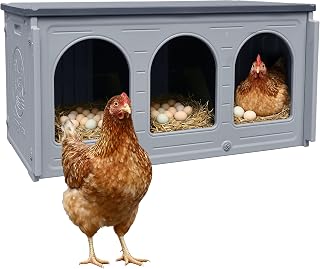 Rockever Nesting Boxes for ChickensCheck price on Amazon
 Little Giant 60 Pound Plastic Dome Gravity Coop Feeder BrooderCheck price on Amazon
 Harris Farms Easy-Fill Poultry DrinkerCheck price on Amazon
 Little Giant® Complete Plastic Poultry FountCheck price on Amazon
 Little Giant® Plastic Dome WatererCheck price on Amazon
 Little Giant Single Plastic Nesting Box Chicken Nest Box withCheck price on Amazon
CoopKeeperHQ earns a commission if you buy through our links, at no added cost to you. Affiliate disclosure.
Plastic vs wood chicken coop: durability and rot resistance
Durability in a backyard hen house is primarily a fight against outdoor moisture, damp ground contact and manure. Traditional wooden coops rely on lumber framing and timber siding. While wood provides a sturdy structure that looks natural in a backyard garden, untreated lumber absorbs rain and damp bedding. Over multiple wet seasons, wooden boards can swell, warp and rot, requiring regular coats of animal-safe exterior sealant or paint to stay weather-tight.
Plastic hen houses take a completely different approach to weathering. Molded synthetic panels do not absorb moisture, will not rot when exposed to damp ground, and never require repainting. For example, the Hatching Time Formex Snap Lock listing specifies impact-resistant, weather, UV and chemical-resistant polyethylene plastic construction that stays maintenance-free, backed by a 2-year manufacturer warranty. Similarly, composite coops blend synthetic durability with wood fiber: the New Age Pet ECOFLEX Fontana Jumbo listing features recycled polymers and reclaimed wood fiber backed by a 10-year limited manufacturer warranty against moisture, warping and rotting. In rainy climates, synthetic materials eliminate structural rot.
Cleaning speed and sanitizing routines
Routine sanitation is where keepers notice the biggest difference between materials. Chicken manure contains high moisture levels and clings stubbornly to rough surfaces. Wood grain is porous, with seams and joints that trap fine dust and manure. Scraping dried waste off wooden perches and floors requires stiff putty knives and wire brushes. Washing a wooden coop with a hose also requires caution, as soaking untreated plywood can cause delamination and prolonged dampness inside the coop.
Plastic coops make deep sanitizing chores remarkably fast. Because smooth plastic and composite panels resist moisture absorption, dried manure releases easily. On chore day, you can remove the bedding, spray down the interior panels with a garden hose, and let the water drain away. The Hatching Time Formex Snap Lock includes a removable pull-out litter tray to speed waste removal, while the MEDEHOO outdoor wooden hen house features a full-width metal pull-out tray designed to contain waste and slide out from the front or back for rinsing. For step-by-step chore routines, see our guide on how to clean small chicken coop setups.
Ventilation and moisture control
Chickens produce significant moisture when they breathe on the roost overnight, and getting that damp air out of the coop is critical for flock comfort. Wood possesses a minor natural buffering capacity: timber can absorb trace ambient humidity during damp nights and release it on dry afternoons, although it still demands generous wall venting to prevent stagnant air.
Plastic walls do not breathe. In an unvented plastic coop, warm moist breath rises toward the ceiling, hits cold plastic, and condenses into water droplets that drip back down onto bedding and roosting birds. To prevent condensation, a well-designed plastic hen house must incorporate continuous ridge vents or high wall louvers situated above the roosting perches. This allows humid air to rise and exit smoothly without drafting directly across the flock. Review our guide to chicken coop ventilation to ensure your setup has enough high airflow.
Predator protection and security hardware
Securing your flock against persistent night predators like raccoons, foxes, weasels and rats requires rigid walls and stout hardware. Wooden coops offer solid framing where keepers can easily fasten heavy-duty wire mesh. You can screw galvanized hardware cloth directly into wooden studs using heavy screws and fender washers, creating a fortress against intruders. However, hungry rodents can gnaw on soft wood corners, expanding small gaps near floorboards over time.
Heavy molded plastic coops resist chewing better than soft wood trim, although keepers must still ensure ventilation openings are screened so rodents cannot gnaw at plastic louvers. The slick exterior also provides less grip for climbing predators. The primary security focus on any coop is the locking mechanism. Predators like raccoons have dexterous paws capable of manipulating simple sliding pins. The MEDEHOO wooden coop listing features heavy-duty swivel latches advertised to resist raccoons, alongside reinforced galvanized wire mesh over ventilation areas. Whatever material you select, reinforce doors with secure latches, consult our guide on how to predator proof a chicken coop, and install sturdy mesh from our hardware cloth guide.
Insulation and seasonal weather extremes
Handling seasonal temperature swings depends heavily on wall construction and airflow design. Wood provides natural thermal buffering, moderating outdoor temperature changes better than single-layer plastic sheeting. Solid lumber framing does not transfer radiant heat as quickly as thin plastic panels.
Basic thin plastic panels can turn warm quickly when exposed to direct summer sun, and uninsulated walls feel chilly during freezing winter nights. To counteract this, premium plastic coops use molded double-wall construction that traps an insulating pocket of dead air between inner and outer shells. For example, the Hatching Time Formex Snap Lock listing specifies a double-wall insulated design for its 64-inch long by 39-inch wide by 42-inch high hen house, providing thermal protection for 4 to 6 large hens or 6 to 12 bantams. In both wood and plastic coops, winter comfort relies on keeping drafts away from roosts and maintaining deep, dry bedding on the floor.
Customization, repairs and expansions
Backyard poultry keeping is rarely static: as your flock routine develops, you may want to reposition roosts, add internal partition dividers, mount feeding troughs, or install an automatic pop door. Wooden coops excel in flexibility. With a cordless drill, a handsaw and basic wood screws, you can modify a wooden hen house to fit your exact flock routine. If a framing board or ramp ever cracks, a replacement piece of standard lumber from the local lumberyard solves the problem in minutes.
Plastic coops are molded at the factory with fixed internal layouts and interlocking snap joints. Drilling holes through plastic walls requires care to avoid cracking molded panels or breaking waterproof seals. Furthermore, mounting heavy accessories often requires custom brackets. If a molded plastic panel or proprietary hinge snaps, finding an exact replacement means contacting the manufacturer rather than picking up timber at a hardware store. For automated entry, check our picks for the best automatic chicken coop door, and read our breakdown on build vs buy chicken coop options.
Assembly and moving coops around the yard
Putting your coop together on arrival day presents another clear contrast. Flat-pack wooden kits arrive with multiple panels, loose trim pieces, hardware packs and bags of wood screws. Aligning pre-drilled holes, squaring the frame and fastening hinges takes patience and carpentry tools. For example, the MEDEHOO wooden listing features pre-drilled holes and states assembly in under 45 minutes for a structure housing 2 to 3 chickens.
In contrast, modern plastic hen houses often utilize modular, tool-free assembly where molded panels snap directly into place using integrated interlocking tabs and pins. Overall weight also influences mobility. The Hatching Time Formex Snap Lock plastic coop has an item weight of 65 pounds, allowing keepers to lift and shift the empty structure across a lawn. On the other hand, composite coops made from dense polymer and wood blends are significantly heavier: the New Age Pet ECOFLEX Fontana Jumbo weighs 101.1 pounds, creating a solid, permanent backyard fixture. If moving your shelter frequently across pasture is a priority, compare our chicken coop vs chicken tractor guide.
Plastic chicken coop pros and cons
Weighing the pros and cons of plastic hen houses helps clarify which material best fits your yard layout and daily routine. Coops crafted from molded high-density polyethylene or recycled polymer composites offer distinct maintenance advantages, balanced by specific structural trade-offs.
Key advantages of plastic coops include:
- Molded panels are completely waterproof and rot-proof, lasting season after season in wet climates.
- Non-porous surfaces allow fast hosing down, saving substantial time during routine deep cleans.
- Many designs feature modular or snap-together assembly requiring fewer carpentry tools.
- Durable plastic panels eliminate soft, decaying wood fibers that pests and rodents target.
Trade-offs to consider with plastic coops include:
- Molded wall designs make DIY interior modifications and perch repositioning difficult.
- Uninsulated models require careful placement in summer shade to prevent internal heat buildup.
- Non-breathable walls demand consistent high-level ventilation to prevent internal condensation.
- Proprietary snap panels can be difficult to repair with standard workshop supplies if damaged.
By comparison, choosing a recycled plastic coop built from composite materials, such as the New Age Pet Fontana Jumbo with its interior dimensions of approximately 41 inches long by 36.8 inches wide by 35 inches high for 4 to 6 chickens, delivers reliable moisture and odor resistance while offering a substantial, heavyweight presence in the yard.
A simple material decision checklist
Before purchasing your backyard hen house, use this quick checklist to match the material to your flock goals, local climate and routine:
- Choose a plastic coop if you want fast hose-down cleaning and no recurring painting or sealing chores.
- Choose a plastic coop if you live in a rainy climate where ground moisture and rotting wood are ongoing concerns.
- Choose a plastic coop if you want low-maintenance panels and modular assembly that requires minimal routine woodwork.
- Choose a wooden coop if you enjoy custom carpentry and want freedom to mount perches, feeders and doors wherever you like.
- Choose a wooden coop if you want traditional timber construction that can be easily customized or insulated for your climate.
- Choose a wooden coop if you want to repair or replace individual damaged boards over time using standard local hardware supplies.
For beginners establishing a daily schedule, see our complete guide to a chicken coop for beginners, and read how big should a chicken coop be to plan adequate space.
Birds, breed size, run time and climate in; coop floor, run space, roost length and nesting boxes out.
Wash your hands after handling birds, eggs or equipment, supervise children around the flock, and check local rules on flock size and roosters before you buy. For sick birds, call a poultry veterinarian or your state extension office. See CDC backyard poultry guidance. Read our Safety Disclaimer.
FAQ for the flock
Do plastic chicken coops get too hot in summer?
Thin plastic coops can absorb heat quickly if placed in direct sunlight. Positioning the coop under tree shade and keeping high wall vents open ensures warm air vents out. Coops featuring double-wall plastic construction trap an insulating air barrier that helps buffer against rapid temperature swings.
Can raccoons and rodents chew through a plastic chicken coop?
Heavy molded plastics like high-density polyethylene resist gnawing far better than soft wood trim. While determined rodents can chew exposed thin plastic edges if gaps exist, seamless panels offer little purchase. Keep vents covered with wire mesh and secure doors with predator-proof latches that raccoons cannot manipulate.
How do you wash and sanitize a plastic chicken coop?
Remove all soiled bedding from the coop floor and nesting boxes. Use a garden hose to rinse down the non-porous interior panels, loosening stuck droppings with a brush and warm soapy water. Allow the panels to dry thoroughly in open air before adding fresh dry bedding.
Does a wooden chicken coop last longer than a plastic coop?
Untreated wooden coops exposed to rain and ground moisture can begin rotting after several wet seasons unless regularly stained and painted. Quality plastic coops do not rot, rust or absorb moisture, providing durable weather resistance season after season with minimal upkeep.
Are plastic chicken coops safe for cold winter climates?
Plastic coops are safe in cold weather provided they feature adequate high ventilation and deep dry bedding. Chickens handle cold well when sheltered from direct wind, but trapped moisture from their breath causes dampness. Keeping high vents open allows moisture to escape without chilling the roost.
More coop guides
- Chicken Coop for Beginners: Sizing, Setup, and Daily Care
- How Big Should a Chicken Coop Be? Space per Bird Explained
- How to Predator Proof a Chicken Coop and Run
- Chicken Coop Ventilation: How Much and Where
- How to Clean Small Chicken Coop: Step-by-Step Care and Routine
See the chicken coop picks and the coop supply guides.