Plastic vs Wood Chicken Nesting Box: Which One Should You Buy?
Plastic wipes clean and resists rot; wood insulates but needs sealing: how to choose between plastic and wood chicken nesting boxes.

On this page
Top picks at a glance
As an Amazon Associate I earn from qualifying purchases.
- 1
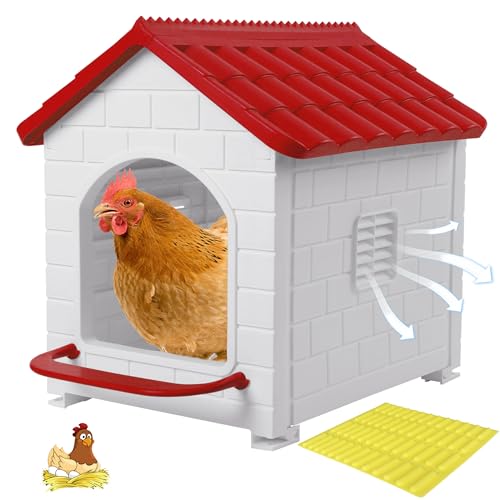 Deblue Plastic Single Compartment Chicken Nesting Box9.5/10View on Amazon
- 2
 Rockever 3 Compartment Plastic Chicken Nesting Box9.5/10View on Amazon
- 3
 HOWUXZO Chicken Nesting Boxes 10 Pack with Egg Roll Out9.6/10View on Amazon
- 4
 Chicken Nesting BoxView on Amazon
- 5
 Nesting Boxes for ChickenView on Amazon
- 6
 10 Pack Chicken Nesting Boxes with Roll Away Egg CollectionView on Amazon
- 7
 2-Tier Nesting Boxes for ChickensView on Amazon
Plastic vs wood chicken nesting box: plastic wins on cleaning and rot resistance, wood wins on insulation and a natural look. If you hose out your coop and hate scrubbing corners, plastic is the easier life. If your winters run cold and you like the classic look, sealed wood holds warmth better. The gear data for this guide covers plastic and metal boxes only, so wood is compared from general keeper practice below.
Other options for the coop
 Chicken Nesting BoxCheck price on Amazon
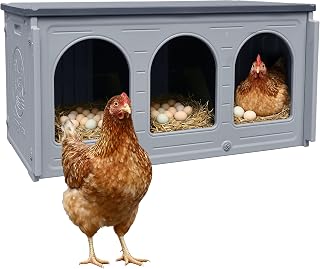 Nesting Boxes for ChickensCheck price on Amazon
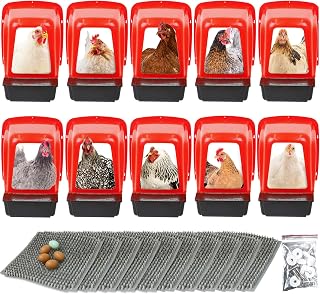 Chicken Nesting Boxes 10 Pack with Egg Roll OutCheck price on Amazon
 Nesting Boxes for ChickenCheck price on Amazon
 10 Pack Chicken Nesting Boxes with Roll Away Egg CollectionCheck price on Amazon
 2-Tier Nesting Boxes for ChickensCheck price on Amazon
CoopKeeperHQ earns a commission if you buy through our links, at no added cost to you. Affiliate disclosure.
Plastic: the easy-clean choice
Plastic nesting boxes are the low-maintenance pick. The Miller 4-pack is made of high density polyethylene, washable and rust resistant, and each box measures 16.5 by 15.88 by 19.75 inches with a perch, made for large breeds. The Pitalok 2-pack is white plastic with a washable nesting pad, measures 15 by 12 by 17.5 inches, and mounts on the wall or the ground. Plastic does not rot, does not need painting and wipes clean, which is why keepers in wet climates lean toward it. For the plastic against metal angle, see our plastic vs metal chicken nesting box comparison.
Wood: the insulating classic
Wood is the traditional choice: it insulates better than thin plastic, looks at home in a wooden coop and is easy to repair with basic tools. The tradeoff is maintenance: wood must be sealed or painted to resist moisture and mites, and rough or cracked wood is harder to sanitize than smooth plastic. No wood boxes appear in the gear data for this guide, so the wood side of the comparison is general keeper practice. Our metal vs wooden chicken nesting box comparison covers the metal against wood angle in more depth.
Metal sits in between
The Toriexon box in the gear section is galvanized steel: an 8-compartment wall-mountable unit, 42.5 by 13 by 25 inches and 25 pounds, with ventilation and a removable divider and nest pad for cleaning. Galvanized steel resists rust and wipes down almost as easily as plastic, while feeling sturdier than either. One listing wrinkle: the spec table lists the compartment count as 3 while the title and model name say 8 compartments; we trust the title and bullets. Metal can sweat in cold weather, so ventilation matters with steel boxes.
Gear that fits
Ranked by our scores, the Toriexon 8-compartment metal box comes first: eight laying spots in one wall-mounted unit, ventilated, with a stated 1 Year warranty. Second is the Miller 4-pack of large HDPE boxes with perches, washable and rust resistant, sized for large breeds. Third is the Pitalok 2-pack of white plastic boxes with a washable nest pad, wall or ground mount, a stated 1 year warranty and a stated 5-minute assembly. Fourth is the Miller 2-pack, the same large polyethylene box as the 4-pack in a smaller count. The two Miller boxes are indoor-rated; the Toriexon is rated for indoor and outdoor use, and the Pitalok for outdoor use.
How to choose plastic vs wood chicken nesting box
Start with mounting. The Miller boxes mount to studs 16 inches on center or to plywood; the Toriexon mounts on the wall; the Pitalok goes on the wall or the ground. Measure your wall before ordering: the Toriexon unit is 42.5 inches long, so it needs a long clear run. Next, match box size to your birds: large breeds need the Miller large size, while the Pitalok 15 by 12 by 17.5 inch box suits standard hens. Ventilation matters as much as material: a ventilated box like the Toriexon stays drier inside than a sealed one of any material. For flock sizing and placement, see how many nesting boxes per chicken, and for size classes see bantam vs standard nesting box.
Buying advice: match the box to the coop
Start with the wall you have. The Miller boxes mount to studs 16 inches on center or to plywood, which means a framed coop wall works but a bare wire run does not. The Toriexon 8-compartment unit is a single 42.5 inch long, 25 pound box that mounts on the wall with the included screws and nuts, so it needs a long, solid run. The Pitalok skips the question entirely: it mounts on the wall or sits on the ground, assembles in 5 minutes with no screws or nuts, and weighs 5 pounds. If the coop is still a work in progress, the ground-mount option buys time.
Next, match the box interior to the birds. The Miller large boxes are 16.5 by 15.88 by 19.75 inches and are listed for large breeds, with a perch on the front. The Toriexon gives eight compartments in one unit, each about 10.9 inches wide, which suits standard hens but is tighter than the Miller large size. The Pitalok is 15 by 12 by 17.5 inches and is listed for all breed sizes. For large breeds, the Miller large size is the one the listings recommend.
Finally, weigh cleaning against weather. The Miller boxes and the Pitalok are stated washable, and the Pitalok adds a washable nesting pad; the Toriexon answers with a removable divider and nest pad. For placement, the Toriexon is listed for indoor and outdoor use, the Pitalok for outdoor use, and the Miller boxes for indoor use. On warranty, the Toriexon states 1 Year and the Pitalok states 1 year, while the two Miller listings state no warranty term. Only the Toriexon lists ventilation, so with a steel box, check the airflow before a hot summer.
Birds, breed size, run time and climate in; coop floor, run space, roost length and nesting boxes out.
Wash your hands after handling birds, eggs or equipment, supervise children around the flock, and check local rules on flock size and roosters before you buy. For sick birds, call a poultry veterinarian or your state extension office. See CDC backyard poultry guidance. Read our Safety Disclaimer.
FAQ for the flock
Can I mount nesting boxes on the coop wall?
Yes. The Toriexon is wall mountable, the Miller boxes mount to studs 16 inches on center or to plywood, and the Pitalok mounts on the wall or the ground.
Are plastic nesting boxes easy to clean?
The Miller boxes are stated washable, and the Pitalok has a washable nesting pad. Plastic resists rust and wipes clean, which suits humid coops.
Do metal nesting boxes rust?
The Toriexon is galvanized steel, the Miller boxes are stated rust resistant, and the Pitalok plastic is stated resistant to rust. None of the listings report rust problems.
What sizes are the boxes in the gear section?
The Toriexon is 42.5 by 13 by 25 inches, the Miller boxes are 16.5 by 15.88 by 19.75 inches, and the Pitalok is 15 by 12 by 17.5 inches.
Which boxes state a warranty?
The Toriexon states a 1 Year warranty and the Pitalok states a 1 year warranty. The two Miller listings state no warranty term.
How many boxes does each hen need?
That depends on flock size and laying habits. Our how many nesting boxes per chicken guide covers sizes and placement in detail.
More coop guides
- Metal vs Wooden Chicken Nesting Box: Which One Should You Buy?
- Plastic vs Metal Chicken Nesting Box: What the Listings State
- Best Chicken Nesting Box for 4 Hens (2026): 5 Picks
- Bantam vs Standard Nesting Box: Which One Should You Buy?
- Rollaway vs Standard Nesting Box: Which One Should You Buy?
- Nesting Pads vs Straw: Which One Should You Buy?
See the coop supply guides.